The stress-responsive protein PPP1R15A (protein phosphatase 1, regulatory subunit 15 A) promotes the unfolded protein response and restores protein homeostasis.
The structures of the majority of PD-1/PD-L1 inhibitors currently in use are derived from the arylmethylamine/biphenyl scaffold. Researchers from Southern Medical University reported on the discovery and preclinical evaluation of a novel series of non-arylmethylamine-based PD-1/PD-L1 inhibitors for use in cancer immunotherapy.
Bruton tyrosine kinase (BTK) inhibition is a provenly effective strategy for the treatment of B-cell malignancies with several compounds approved such as ibrutinib, acalabrutinib or zanubrutinib. BTK also plays a central role in immunity and has thus emerged as a potential therapeutic target in autoimmune and inflammatory disorders.
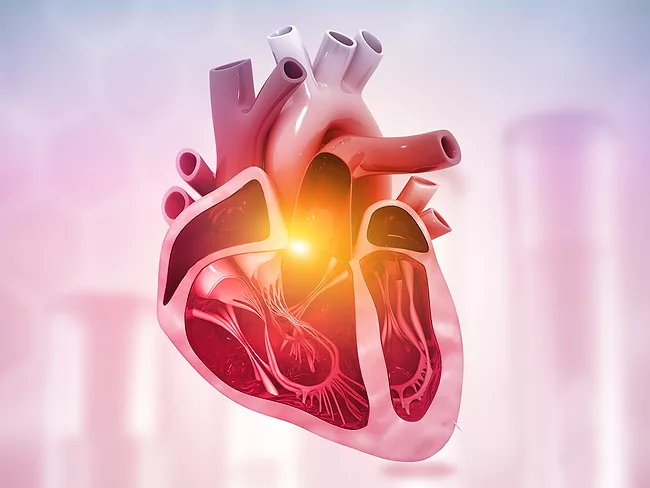
Protein tyrosine phosphatase nonreceptor type 22 (PTPN22) has been previously linked to several chronic inflammatory disorders and it has been established that PTPN22 regulates T-cell receptor signaling. Recent studies have also shown that PTPN22 plays a role in thrombosis, suggesting its potential use as target for cardiovascular diseases. In the current study, researchers from Southern Medical University and affiliated organizations aimed to assess the role of PTPN22 in the pathogenesis of calcific aortic valve disease (CAVD).
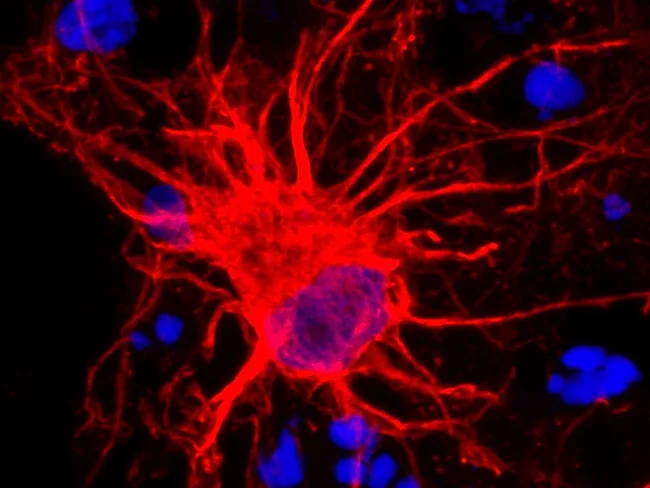
Major depressive disorder (MDD) was linked to impaired neural connectivity caused by astrocyte dysfunction, according to a study from the Southern Medical University in Guangzhou in collaboration with the University of Hong Kong.
Researchers from Sun Yat-sen University, Southern Medical University and Gannan Medical University reported the discovery of novel quinazoline-based KRAS G12C inhibitors as potential anticancer agents.