Insilico Medicine Inc. has synthesized fibroblast growth factor receptor 2 (FGFR2) and/or FGFR3 inhibitors reported to be useful for the treatment of cancer.
Acerand Therapeutics (USA) Ltd. has identified fibroblast growth factor receptor 2 (FGFR2) inhibitors reported to be useful for the treatment of cancer.
With the aim of overcoming drug resistance and reducing the toxicities associated with pan-fibroblast growth factor receptor (FGFR) inhibitors, scientists from 3H Pharmaceuticals Co. Ltd. developed a highly selective and potent small-molecule inhibitor of FGFR2, 3HP-2827, to be developed for the treatment of FGFR2‑driven solid tumors.
Japan’s Ministry of Health, Labour and Welfare approved Taiho Pharmaceutical Co. Ltd.’s Lytgobi (futibatinib) for unresectable biliary tract cancer harboring fibroblast growth factor receptor 2 (FGFR2) gene fusions that has progressed after chemotherapy.
Jiangsu Hengrui Medicine Co. Ltd. and Shanghai Hengrui Pharmaceutical Co. Ltd. have discovered fibroblast growth factor receptor 2 (FGFR2) inhibitors reported to be useful for the treatment of cancer.
Inhibition of emerging polyclonal on-target acquired resistance mutations remains a critical unmet need in the treatment of fibroblast growth factor receptor 2 (FGFR2)-driven tumors. In the current study, researchers from Tyra Biosciences Inc. presented the preclinical characterization of a novel FGFR1/2/3 inhibitor, TYRA-200, being developed for the treatment of cancer.
Hainan Sparkle Therapeutics Co. Ltd. has disclosed fibroblast growth factor receptor 2 (FGFR2) inhibitors reported to be useful for the treatment of cancer.
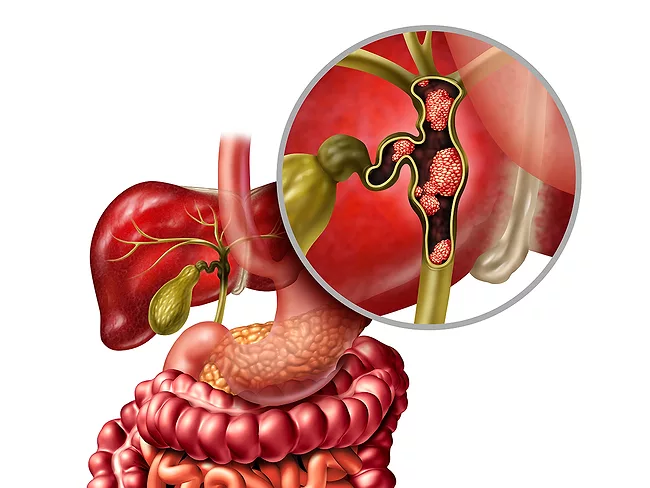
The U.S. FDA has approved Taiho Oncology Inc.’s Lytgobi (futibatinib) for adults with previously treated, unresectable, locally advanced or metastatic intrahepatic cholangiocarcinoma harboring fibroblast growth factor receptor 2 (FGFR-2) gene fusions or other rearrangements. The approval arrived on its Sept. 30 PDUFA date.
The U.S. FDA has approved Taiho Oncology Inc.’s Lytgobi (futibatinib) for adults with previously treated, unresectable, locally advanced or metastatic intrahepatic cholangiocarcinoma harboring fibroblast growth factor receptor 2 (FGFR-2) gene fusions or other rearrangements. The approval arrived on its Sept. 30 PDUFA date.