An Emergent Biosolutions Inc. facility in Baltimore is under U.S. FDA scrutiny after a February 2022 inspection revealed manufacturing problems, some of which resulted in multiple customer complaints.
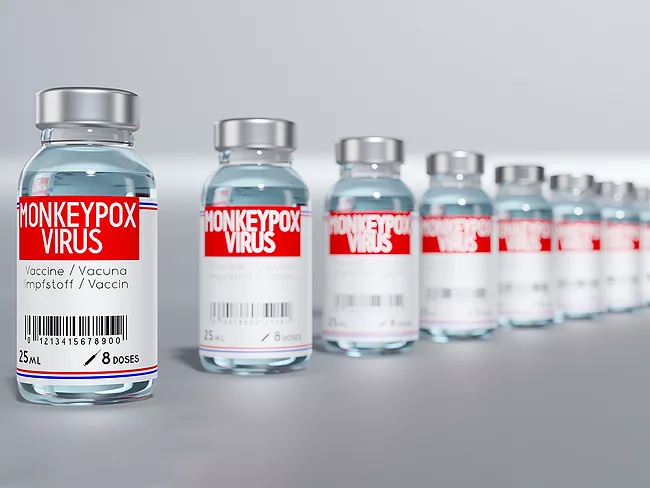
Now that the U.S. Department of Health and Human Services (HHS) has declared monkeypox a public health emergency, nearly two weeks after a similar declaration from the World Health Organization, the way is cleared for a coordinated response and emergency use authorizations to address supply challenges that could limit the availability of currently approved vaccines. It also has several companies ready to leap into the fray if their preclinical studies show a path to approval. HHS said it just shipped more than 602,000 doses of the Jynneos vaccine to states and jurisdictions, an increase of 266,000 in the past week.
A move by Chimerix Inc. to strengthen its balance sheet by $225 million through the sale of smallpox drug Tembexa (brincidofovir) to biodefense specialist Emergent Biosolutions Inc. and extend its cash runway into 2026, should have proved a big win. Instead, shares (NASDAQ:CMRX) plunged nearly 61% May 16 on worry that Chimerix might be handing off a likely profitable program to fund a riskier oncology pipeline, a concern heightened by recent U.S. FDA feedback indicating lead oncology program ONC-201 might not be eligible for accelerated approval as previously expected.
A congressional investigation into COVID-19 vaccine manufacturing failures at Emergent Biosolutions Inc. unveiled more troubling issues at the company’s Bayview facility in Baltimore, which had been awarded a lucrative U.S. government contract to produce vaccines for Johnson & Johnson.
Should the U.S. government be in the business of manufacturing COVID-19 vaccines? Several prominent Democratic senators and representatives would say yes.
Emergent Biosolutions Inc.’s Bayview facility in Baltimore passed its manufacturing inspection with international regulators, clearing the way for shipment of batches of Johnson & Johnson’s (J&J) COVID-19 vaccine containing drug substance made at the plant.
The U.S. isn’t the only country tossing COVID-19 vaccines due to potential cross-contamination of the drug substances manufactured at an Emergent Biosolutions Inc. plant.
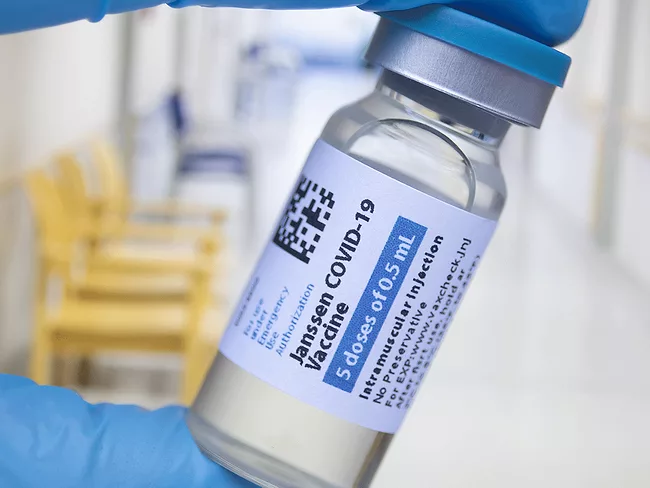
The FDA has authorized two batches of Johnson & Johnson’s COVID-19 vaccine from a troubled Emergent Biosolutions Inc. manufacturing facility to be made available under emergency use authorization (EUA) while determining that several other batches were unsuitable for use. While the FDA would not confirm the number of unsuitable batches, the newly authorized batches, however, can be used in the U.S. or exported.
A cautious optimism pervaded the March 11 Senate Health, Education, Labor and Pensions (HELP) Committee update on COVID-19, with witnesses and lawmakers alike welcoming the continuing decline of infections, hospitalizations and deaths in the U.S.
Emergent Biosolutions Inc. CEO Robert Kramer assured investors that he takes “full responsibility” for woes that beset the firm after the FDA’s Form 483 found serious manufacturing problems at the Baltimore, Md.-based Bayview plant. “You have my commitment that we're going to do everything we can to resolve these issues quickly, and as safely as possible,” he said during an April 29 conference call on first-quarter financial results.