Researchers from Ruijin Hospital and Shanghai Jiao Tong University have patented molecular glue degraders, specifically eukaryotic peptide chain release factor GTP-binding subunit ERF3A (GSPT1) degradation inducers that are potentially useful for the treatment of cancer, autoimmune disease and inflammatory disorders.
Renal fibrosis represents a key driver of the pathology of chronic kidney disease (CKD), marked by fibroblast activation, tubular damage and inflammation. Previous work found that cyclic guanosine monophosphate (cGMP) levels are markedly reduced in experimental models of renal fibrosis, but the reasons for this decline are not fully understood.
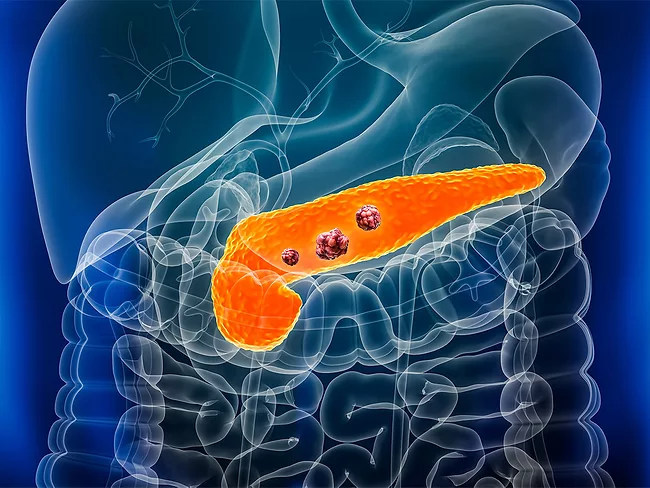
Pancreatic cancer remains one of the deadliest cancers, with survival rates showing little improvement over decades and projections placing it as the second leading cause of cancer deaths by 2030. Chemotherapy is essential for all patients, yet most tumors lacking BRCA1/2 or PALB2 mutations show resistance to cisplatin. Growing evidence suggests that targeting nuclear factor NF-κB, a key driver of cancer progression, could help overcome this chemoresistance and improve treatment outcomes.
Triple-negative breast cancer (TNBC) accounts for a substantial proportion of all breast cancers and is the most aggressive form of the disease. Identifying potential therapeutic targets is critical because the cancer does not express the three surface receptors recognized by current targeted therapies.
Researchers from Sagittide Therapeutics Co. Ltd. and Shanghai Jiao Tong University have presented results of early studies with a novel MUC1-C-targeted near-infrared imaging agent – SAG-602 – for fluorescence-guided surgery of cancer.
PRMT1 is a key enzyme that catalyzes asymmetric dimethylation of arginine residues and overexpressed in various cancers and inflammatory diseases. While current PRMT1 inhibitors lack specificity and effectiveness, targeted degradation of PRMT1 offers a potential strategy to treat PRMT1-driven conditions and explore its nonenzymatic roles.
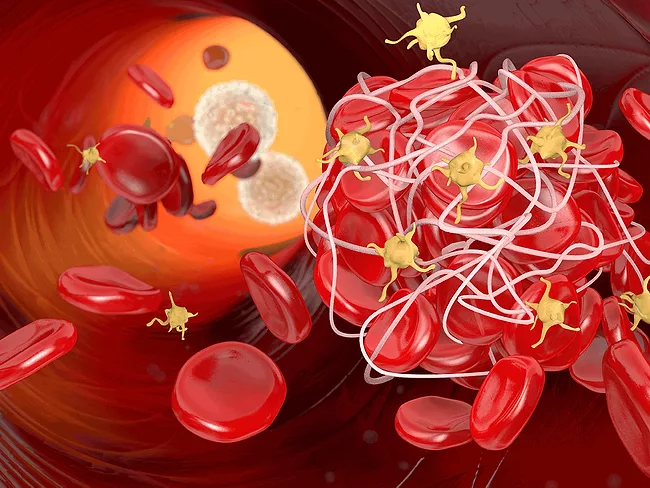
It has been previously shown that the nuclear receptor subfamily 4 group A (NR4A) plays an important role in cardiovascular pathophysiology. Researchers from Shanghai Jiao Tong University thus aimed to assess the expression profile of NR4A in platelets and the biological functions of this nuclear receptor in platelet aggregation.
Researchers from Shanghai Jiao Tong University and affiliated organizations have published their findings from studies that aimed to investigate the pathogenesis of idiopathic pulmonary fibrosis (IPF) and identify novel regulators of the disease.
Researchers from Shanghai Jiao Tong University and affiliated organizations have presented data from a study that aimed to identify the prognostic markers related to abnormal methylation in ocular melanoma, including uveal melanoma (UM).
Researchers from Shanghai Jiao Tong University presented data from a study that aimed to assess the role of long intergenic non-protein coding RNA 1605 (LINC01605) in the progression of pancreatic ductal adenocarcinoma (PDAC).