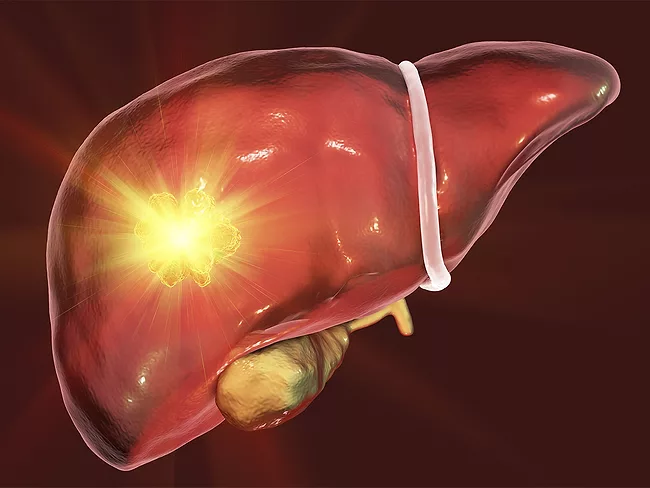
Transposable elements (TEs) are DNA sequences involved in the epigenetic regulation of tumors. KDM1A is an epigenetic regulator overexpressed in liver cancer that suppresses the methylation of histone H3 Lys4 (H3K4) in liver-TEs and as a result, HNF4A expression is silenced and hepatocellular carcinoma (HCC) growth is promoted.
Researchers from Shanghai Jiao Tong University presented findings from a study that aimed to assess the metabolic landscape of intestinal fibrosis in Crohn’s disease.
The maintenance of mitochondrial homeostasis plays a crucial role in tumor cell survival and growth. Mitochondrial integrity is regulated by proteins in the mitochondrial inner membrane, such as prohibitin (PHB). PHB has been found overexpressed in several cancer types and contributes to tumorigenesis.
Scientists from Shanghai Jiao Tong University and affiliated organizations have discovered novel GPR183 antagonists as potential therapeutic candidates for the treatment of inflammatory bowel disease (IBD). With the aim of improving the pharmacokinetic (PK) and safety profile of previously reported oxysterol receptor GPR183 antagonists, structural optimization of the reference antagonist NIBR-189 was conducted.
Researchers from Shanghai Jiao Tong University and affiliated organizations presented data from a study that aimed to identify new pathogenic genes for autosomal dominant hypotrichosis (hair loss).
Researchers from East China Normal University and Shanghai Jiao Tong University presented the discovery and preclinical evaluation of new potent antiosteoporosis agents. Synthesis and optimization of a series of heterocyclic ring-fused derivatives of 20(S)-protopanaxadiol (PPD) led to the identification of SH-491 as the lead candidate with the most potent inhibitory effects on RANKL-induced osteoclastogenesis (IC50=11.8 nM).
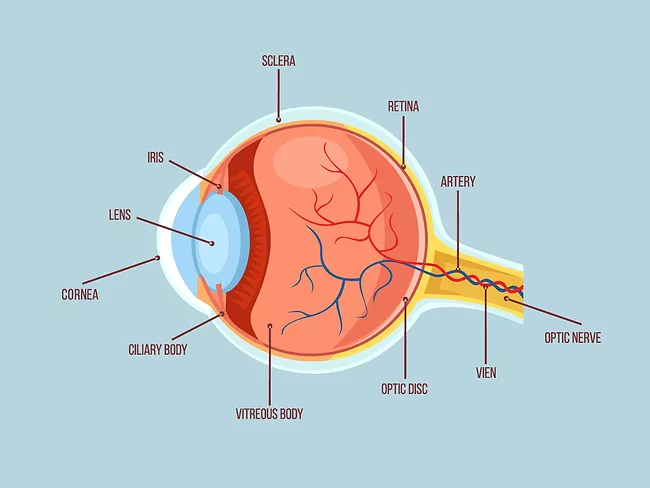
It has been previously demonstrated that IL-17A plays a proinflammatory role in autoimmune diseases, and it has also been reported that IL-17A may take part in the occurrence and development of neurodegenerative disorders. Due to its association with both immunomodulation and inflammation, in a recent study, researchers from Shanghai Jiao Tong University aimed to investigate the role of IL-17A in the pathological process of glaucoma neuropathy.
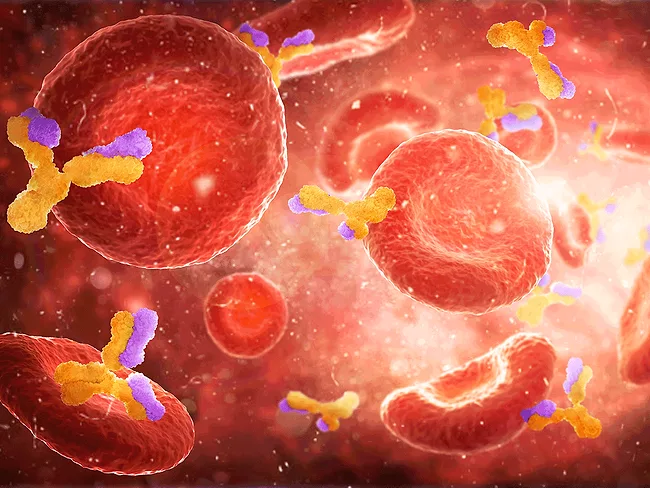
Systemic lupus erythematosus (SLE) is an autoimmune disease characterized by disrupted tolerance against nucleic acids, which form immune complexes with antibodies, finally leading to tissue damage. However, the mechanisms underlying the release of DNA from cells remain unexplained.
Traumatic optic neuropathy (TON) is a serious complication combining craniocerebral, orbital and facial injuries. While there is currently no reliable animal model of this condition, it has been previously demonstrated that TON can cause the loss of retinal ganglion cells (RGC). In the current study, researchers from Shanghai Jiaotong University developed a novel mouse model of distal TON, with the aim of assessing the cascade reactions of RGCs in this disease.