Novome Biotechnologies Inc. wasn’t out shaking the trees looking for a partner in its drive to develop cellular therapies for the gut to treat chronic diseases but it found one in Genentech Inc., which was familiar with Novome’s founding work at Stanford University. Now the two have struck a multiyear collaboration to discover, engineer and develop bacterial strains expressing and delivering molecules to targets in the intestinal tract to treat diseases such as inflammatory bowel disease.
On the last day of this year’s Molecular Targets meeting, an annual joint conference of the American Association for Cancer Research, the National Cancer Institute and the European Organization for the Research and Treatment of Cancer, the final plenary went from molecular to macro in a lively discussion of the biggest roadblock in cancer drug development, and what can be done to improve it.
On the last day of this year’s Molecular Targets meeting, an annual joint conference of the American Association for Cancer Research, the National Cancer Institute and the European Organization for the Research and Treatment of Cancer, the final plenary went from molecular to macro in a lively discussion of the biggest roadblock in cancer drug development, and what can be done to improve it.
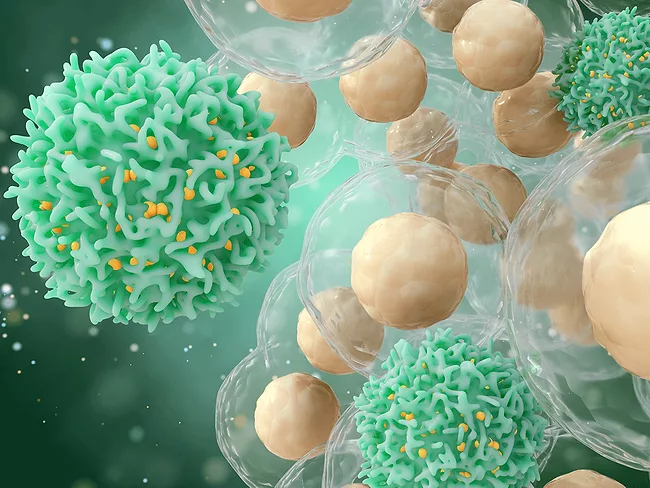
A new deal between Adaptimmune Therapeutics plc and Roche Holding AG's Genentech Inc. aims to develop allogeneic cell therapies for up to five shared cancer targets. Should the agreement win regulatory clearance, still pending, Adaptimmune will receive $150 million up front and additional payments of $150 million over five years. In addition, it could be eligible for development, regulatory and commercial milestones payments from Roche exceeding $3 billion, plus royalties.
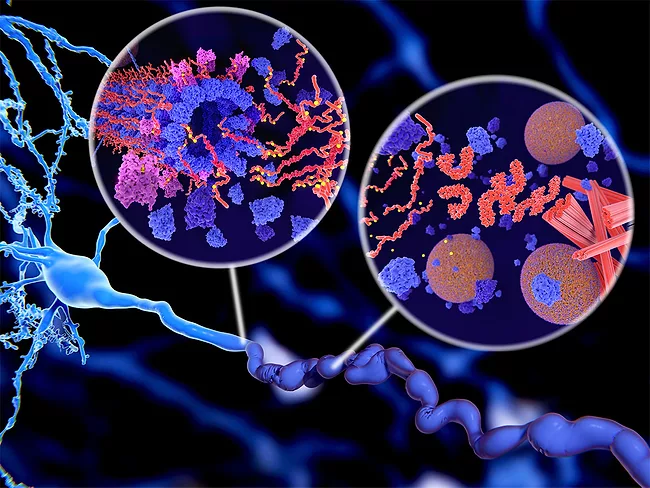
DUBLIN – AC Immune SA and partner Genentech reported Aug. 31 that their Tau-targeting antibody, semorinemab, brought about a dramatic 43.6% reduction in cognitive decline vs. baseline in a phase II trial in patients with mild to moderate Alzheimer’s disease. The effect was statistically significant (p<0.0025) and is clinically meaningful. Indeed, it represents the biggest single treatment effect ever reported in a clinical trial in this population of Alzheimer’s patients and sets the stage for an extensive phase III program that could set the agenda for Alzheimer’s research for the foreseeable future.
Pieris Pharmaceuticals Inc. is banking $20 million up front and could receive up to $1.4 billion more in preclinical, clinical and commercial milestones from a multi-program collaboration and license agreement in respiratory disease and ophthalmology with Genentech.
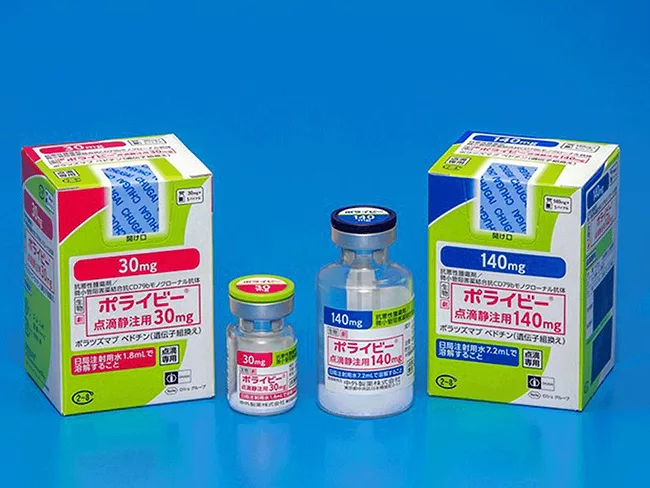
HONG KONG – Chugai Pharmaceutical Co. Ltd. has obtained Ministry of Health, Labor and Welfare (MHLW) approval for a combination regimen containing antimicrotubule binding anti-CD79b monoclonal antibody Polivy (polatuzumab vedotin), bendamustine and Mabthera (rituximab) to treat relapsed or refractory diffuse large B-cell lymphoma (r/r DLBCL).
Shares of Ionis Pharmaceuticals Inc. (NASDAQ:IONS) fell 21.7% to $43.59 on March 23 after its longtime partner, Roche Holding AG, decided to stop dosing the antisense oligonucleotide tominersen in a global phase III manifest Huntington's disease (HD) study. Roche subsidiary Genentech Inc. said the move was based on an independent data monitoring committee's preplanned assessment of the drug's risk-benefit profile.
More than a decade after first approving Actemra (tocilizumab) for the treatment of rheumatoid arthritis, the FDA has added a sixth use to its label: slowing the rate of decline in pulmonary function in adult patients with systemic sclerosis-associated interstitial lung disease.
Drug and device companies dragging their feet on diversifying late-stage clinical trials could conceivably get a wake-up call in court or in FDA approval delays.