Arvinas Operations Inc. and Genentech Inc. have described proteolysis targeting chimera (PROTAC) compounds comprising a Von Hippel-Lindau (VHL) E3 ubiquitin ligase binding moiety coupled to a probable global transcription activator SNF2L2 (SMARCA2; BAF190B; SNF2-α) targeting moiety through a linker reported to be useful for the treatment of cancer, including non-small-cell lung cancer.
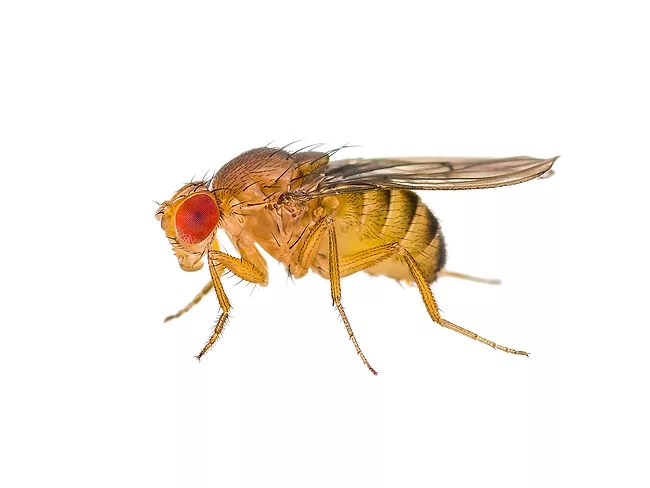
The unprecedented rise in life expectancy has made advances in the understanding of biological hallmarks of aging, at both the molecular and cellular levels, essential. A joint effort between Baylor College of Medicine, Genentech Inc., Stanford University and collaborating institutions has led to the release of the first Aging Fly Cell Atlas (AFCA) as a result of a deep dive analysis of 163 different cell types in Drosophila melanogaster, the common fruit fly.
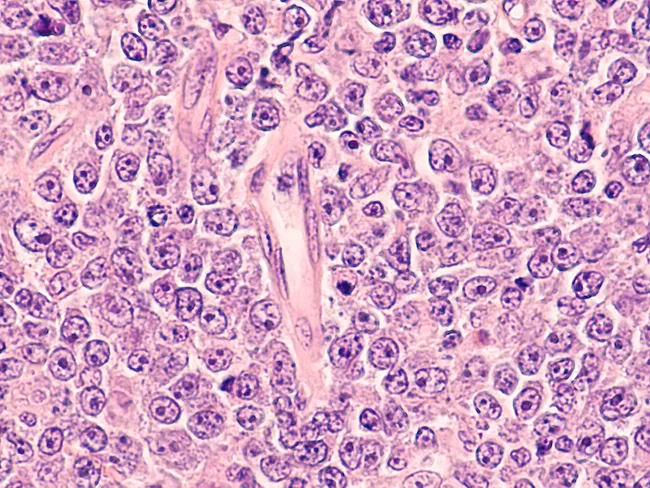
Patients with an aggressive form of lymphoma who have failed prior therapies now have a new option for treatment with the U.S. FDA’s accelerated approval of Columvi (glofitamab-gxbm), which was granted under priority review a few weeks ahead of the July 1 PDUFA date.
Genentech Inc. has identified sodium channel protein type 9 subunit α (Nav1.7) channel blockers reported to be useful for the treatment of pain, depression, pruritus, cardiovascular, respiratory and psychiatric disorders.
Genentech Inc. researchers have described phenol derivatives acting as probable global transcription activator SNF2L2 (SMARCA2; BAF190B; SNF2-α) and/or transcription activator BRG1 (SMARCA4; BAF190A; SNF2-β) degradation inducers reported to be useful for the treatment of cancer.
During two different panels at Biocom California’s Global Life Science Partnering & Investor Conference, executives from a variety of pharmaceutical companies laid out their wants and needs in the current market environment. Large drug companies have relied on biotech companies to build out their pipelines for many years, but the level of outside inventions has been increasing over the last few years.
Genentech Inc. has discovered sulfonimidamide compounds acting as NLRP3 inflammasome inhibitors reported to be useful for the treatment of cancer, autoimmune disease and cardiovascular, dermatological, respiratory, neurological, gastrointestinal and inflammatory disorders, among others.