Boehringer Ingelheim Ltd. has acquired an exclusive license for a preclinical small-molecule program from Sitryx Therapeutics Ltd. The program offers a novel oral immunometabolic approach to modulating disease-driving immune cells with potential for multiple autoimmune and inflammatory disease indications.
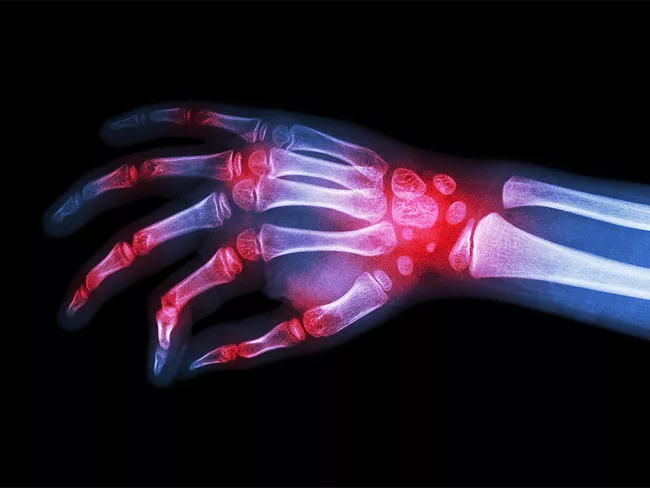
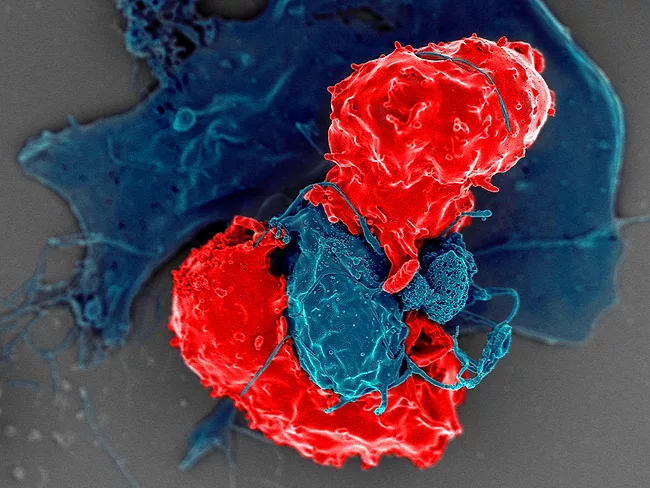
In the inflamed joints of rheumatoid arthritis, CD4+ T lymphocytes accumulate lipid droplets that make them vulnerable and promote their death, thereby amplifying joint inflammation. A study led by scientists at Mayo Clinic and Stanford University suggests that blocking the formation of these lipid droplets or their contents could offer a therapeutic strategy for this condition.
Cue Biopharma Inc. has reported preclinical safety and tolerability data on CUE-401, the company’s lead asset for autoimmune and inflammatory diseases. CUE-401 is designed to act mechanistically both as a regulator of pro-inflammatory mechanisms, and as a master switch for regulatory T cell (Treg) differentiation to induce tolerance.
Alchemedicine Inc. and Asahi Kasei Pharma Corp. have entered into an exclusive license agreement on lead HiSAP (high solubility and permeability) compounds owned by Alchemedicine.
Ewha Womans University has reported Bruton tyrosine kinase (BTK) inhibitors described as potentially useful for the treatment of autoimmune disease and cancer.
As its GLP-1 rival goes after compounders, Eli Lilly and Co. started the week with news beyond its diabetes and obesity franchise. The company, which disclosed a new agreement with Innovent Biologics Ltd., followed up a short time later with plans to acquire Orna Therapeutics Inc., marking its latest foray in the in vivo therapy space.
Beijing Innocare Pharma Tech Co. Ltd. has gained IND clearance in China to conduct clinical trials of ICP-538, an orally administered molecular glue degrader targeting VAV1, which is a key protein downstream of T-cell and B-cell receptors. ICP-538 is being studied for the treatment of autoimmune diseases, such as inflammatory bowel disease, systemic lupus erythematosus and multiple sclerosis.
Formation Bio Inc. and Jiangsu Chia Tai Feng Hai Pharmaceutical Co. Ltd. have announced Formation Bio’s acquisition of worldwide rights, excluding Greater China, to FHND-5032, an oral, small-molecule miR-124 activator being developed for the treatment of autoimmune diseases.
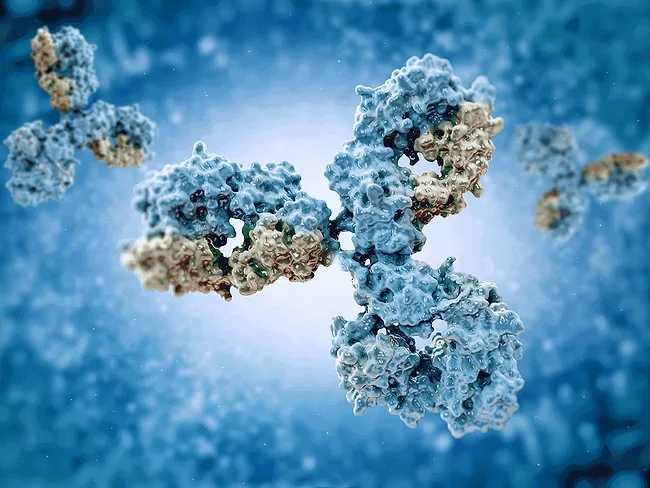
Shanghai Henlius Biotech Inc. has entered into an exclusive global license agreement with U-mab Biopharma (Lianyungang) Co. Ltd., securing rights to a monoclonal antibody (mAb) targeting interleukin-1 receptor accessory protein (IL-1RAP) for inflammatory and autoimmune diseases.
Jiangsu Hansoh Pharmaceutical Group Co. Ltd. and Shanghai Hansoh Biomedical Co. Ltd. have identified TNF-α inhibitors reported to be useful for the treatment of autoimmune diseases.