Beijing Innocare Pharma Tech Co. Ltd. has gained IND clearance in China to conduct clinical trials of ICP-538, an orally administered molecular glue degrader targeting VAV1, which is a key protein downstream of T-cell and B-cell receptors. ICP-538 is being studied for the treatment of autoimmune diseases, such as inflammatory bowel disease, systemic lupus erythematosus and multiple sclerosis.
Formation Bio Inc. and Jiangsu Chia Tai Feng Hai Pharmaceutical Co. Ltd. have announced Formation Bio’s acquisition of worldwide rights, excluding Greater China, to FHND-5032, an oral, small-molecule miR-124 activator being developed for the treatment of autoimmune diseases.
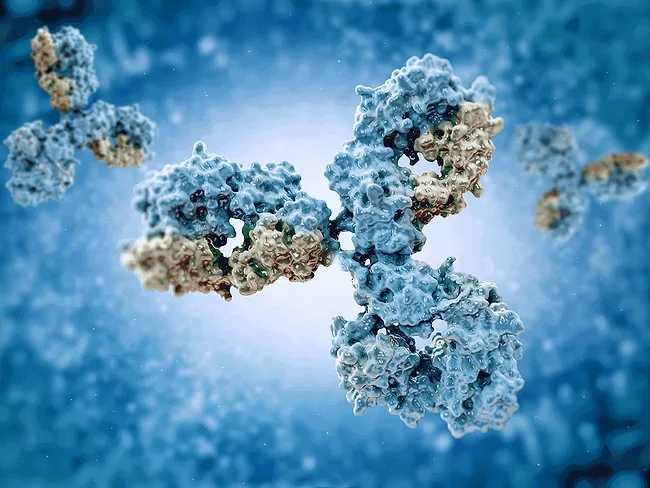
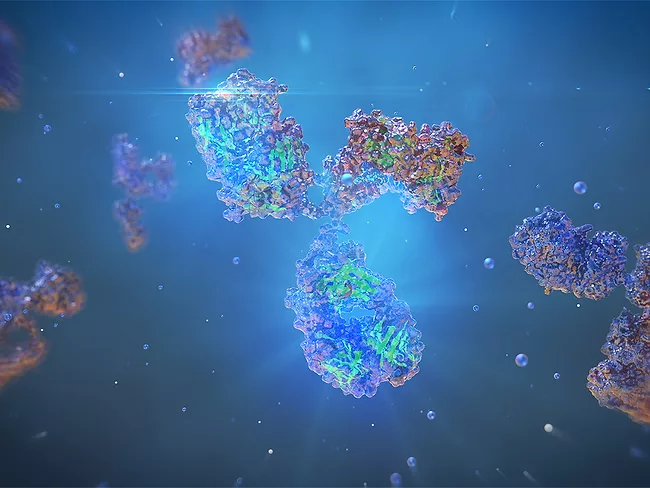
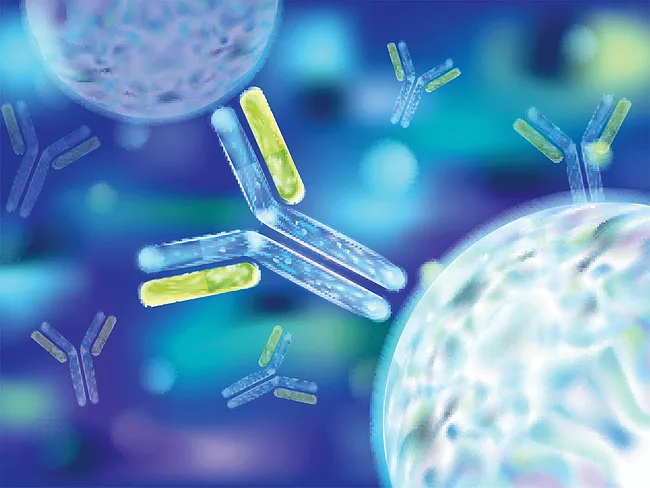
Shanghai Henlius Biotech Inc. has entered into an exclusive global license agreement with U-mab Biopharma (Lianyungang) Co. Ltd., securing rights to a monoclonal antibody (mAb) targeting interleukin-1 receptor accessory protein (IL-1RAP) for inflammatory and autoimmune diseases.
Jiangsu Hansoh Pharmaceutical Group Co. Ltd. and Shanghai Hansoh Biomedical Co. Ltd. have identified TNF-α inhibitors reported to be useful for the treatment of autoimmune diseases.
Ernexa Therapeutics Inc. has successfully completed a pre-IND meeting with the FDA, setting a pathway toward submitting an IND and initiating a first-in-human trial for the treatment of ovarian cancer, expected in the second half of this year.
Nucleome Therapeutics Ltd. has nominated NTP-464 as its first preclinical development candidate and is advancing the program toward IND-enabling studies. The first-in-class monoclonal antibody agonist for inflammation resolution has broad applicability across major chronic inflammatory diseases.
Zenas Biopharma Inc.’s positive data from the phase III Indigo trial with obexelimab in immunoglobulin G4-related disease (IgG4-RD) set investigators to speculating about the bifunctional antibody’s odds in the marketplace, as the Waltham, Mass.-based firm plans a BLA submission the U.S. FDA in the second quarter of this year.
Meta Pharmaceuticals Inc. and Shenzhen Moyuan Pharmaceuticals Co. Ltd. have divulged lactate dehydrogenase A (LDHA) inhibitors reported to be useful for the treatment of autoimmune disorders.
A team at the University of Macau aimed to develop a novel peptide targeting the tumor necrosis factor (TNF)-TNFR2 interaction as a selective regulatory T cell (Treg) stimulator. Through phage display screening, they identified the peptide UMR2-705 that functions as an agonist that enhances TNF-induced Treg expansion.