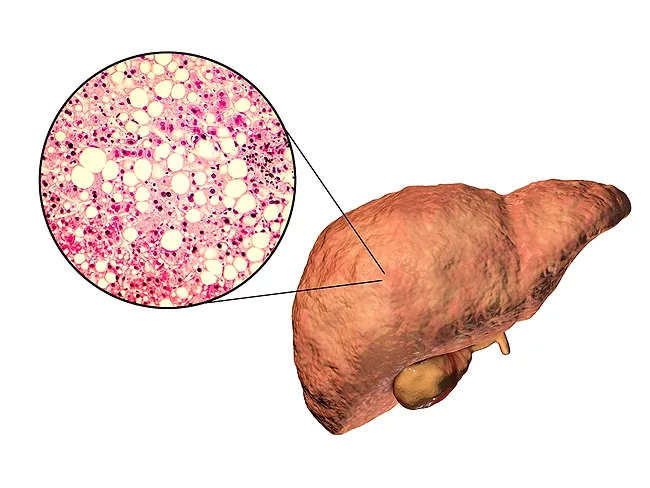
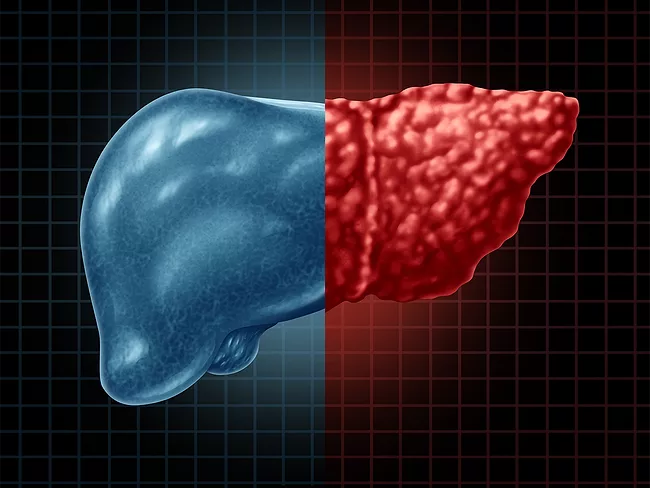
Metabolic dysfunction-associated steatohepatitis (MASH) involves hepatic steatosis, inflammation, and fibrosis driven in part by hepatic stellate cell (HSC) activation. Dual inhibition of ACLY and ACSS2 restricts complementary hepatic sources of acetyl-CoA, a key driver of lipogenesis and MASH pathology.
As the march toward a new therapy continues in metabolic dysfunction-associated steatohepatitis (MASH), new approaches are drawing Wall Street’s attention. Among them is Inventiva SA’s pan-PPAR approach.
Tangram Therapeutics plc has submitted a clinical trial application (CTA) to the U.K.’s Medicines and Healthcare products Regulatory Agency (MHRA) to initiate a phase I/II trial of TGM-312 for metabolic dysfunction-associated steatohepatitis (MASH).
Mursla Bio Ltd. recently entered a partnership with an unnamed large pharmaceutical company to use its AI Precision Medicine platform to help with drug development and ultimately develop companion diagnostics. The collaboration uses Mursla’s platform ability to isolate and analyze extracellular vesicles from a simple blood sample, to provide biologically labelled, multiomics data to improve patient stratification, monitor treatment and develop companion diagnostics.
Opko Health Inc. has recently presented data for their GLP-1/glucagon receptor dual agonist OPK-88006, which is in preclinical development for the treatment of metabolic disease, including metabolic dysfunction-associated steatohepatitis (MASH) and obesity.
Samjin Pharmaceutical Co. Ltd. has disclosed inhibitors of 17-β-hydroxysteroid dehydrogenase 13 (HSD17B13; 17-β-HSD 13) and/or estradiol 17-β-dehydrogenase 1 (HSD17B1; 17β-HSD1) and/or HSD17B2 (17β-HSD2). As such, they are believed to be potentially useful for the treatment of nonalcoholic or metabolic dysfunction-associated steatohepatitis (NASH/MASH).
There is evidence that NACHT, LRR and PYD domains-containing protein 3 (NLRP3)-driven mechanisms may drive both peripheral and hypothalamic inflammation in preclinical obesity. NLRP3 inflammasome activation has been tied to the pathogenesis of obesity-related metabolic syndrome and its progression.
Phase II data being presented at the American Association for the Study of Liver Diseases annual meeting indicate drug development in the field of metabolic dysfunction-associated steatohepatitis (MASH) is making steady progress.
Purdue Research Foundation has identified conjugates targeting asialoglycoprotein receptors (ASGR) that are comprised of a therapeutic or imaging agent. They are reported to be potentially useful for the diagnosis and/or treatment of nonalcoholic or metabolic dysfunction-associated steatohepatitis (NASH/MASH).