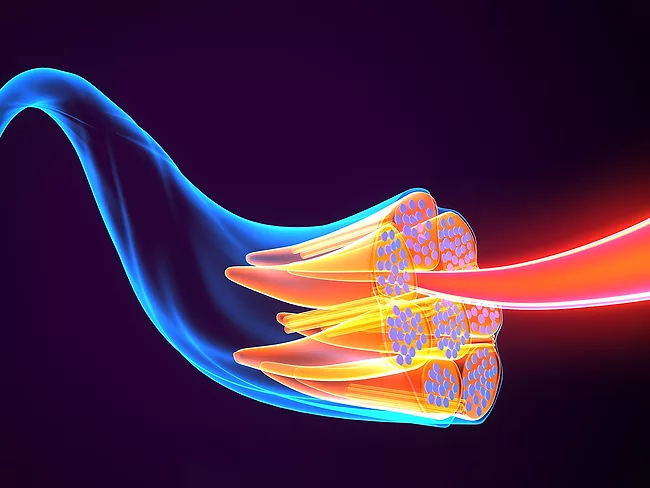
At the Breakthroughs in Muscular Dystrophy special meeting held in Chicago Nov. 19-20, 2024, and organized by the American Society of Gene & Cell Therapy (ASGCT), multiple interventions at the RNA level were among the approaches that were presented to fight muscular dystrophies.
Since the isolation of the gene that causes Duchenne muscular dystrophy (DMD), scientists have progressed in understanding the mechanisms that lead to muscular diseases that can be evident from the early stages of childhood. This has led to the development of diagnostics and therapeutics, some approved by the FDA.
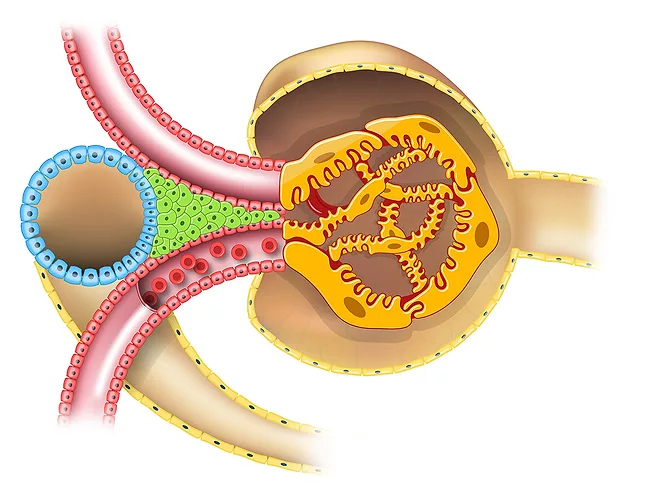
Podocytes are a terminally differentiated cell type located in the glomerulus. Podocyte damage and the subsequent dysregulation of podocyte proteins have been implicated in various kidney disorders. Since gene delivery to podocytes using adeno associated vectors (AAVs) has been challenging due to various technological and physiological hurdles, investigators at Purespring Therapeutics Ltd. developed an AAV gene therapy platform that allowed for effective, specific and safe delivery of transgenes to podocytes.
CTNNB1 syndrome is a rare neurodevelopmental disorder that is caused by mutations in the gene encoding β-catenin, CTNNB1, which plays a critical role in neuronal development, synapse formation and brain maturation.
α1-Antitrypsin deficiency is a hereditary disorder that affects the liver in children and adults, as well as the lungs in adults. The disease is mostly caused by the Z allele mutation in the SERPINA1 gene, where a glutamic acid amino acid is substituted by lysine (E342K) leading to protein misfolding and aggregation.
Many patients with peripheral nerve diseases do not have a sufficient regenerative response because of genetic inheritance, infections or chronic disease, leading them to lifelong pain and disability.
Researchers from Poseida Therapeutics Inc. presented preclinical data for P-FVIII-101, a novel nonviral gene therapy being developed for the treatment of hemophilia A.
Investigators at Poseida Therapeutics Inc. developed P-KLKB1-101, a nonviral KLKB1 gene editing therapy, being developed for the treatment of hereditary angioedema (HAE).
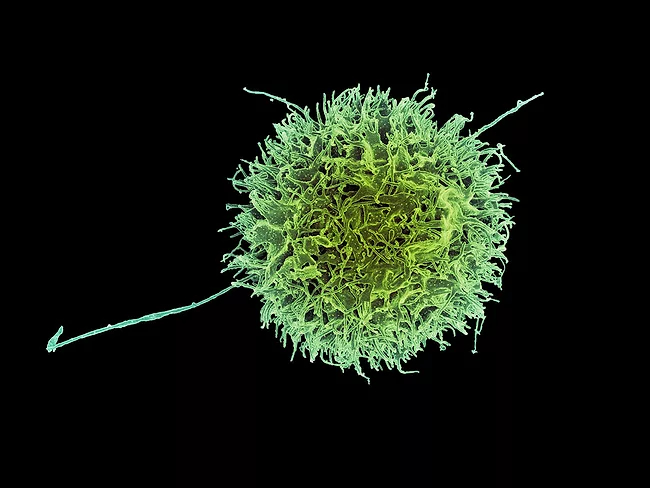
Researchers from Fate Therapeutics Inc. presented preclinical data for the multiplexed-engineered, off-the-shelf chimeric antigen receptor (CAR) natural killer (NK) cell therapy, FT-522, as a potential therapeutic against autoimmune diseases.
Kate Therapeutics Inc. recently presented data on a novel muscle- and heart-targeted, liver de-targeted development candidate for the treatment of Duchenne muscular dystrophy (DMD) – KT-809.