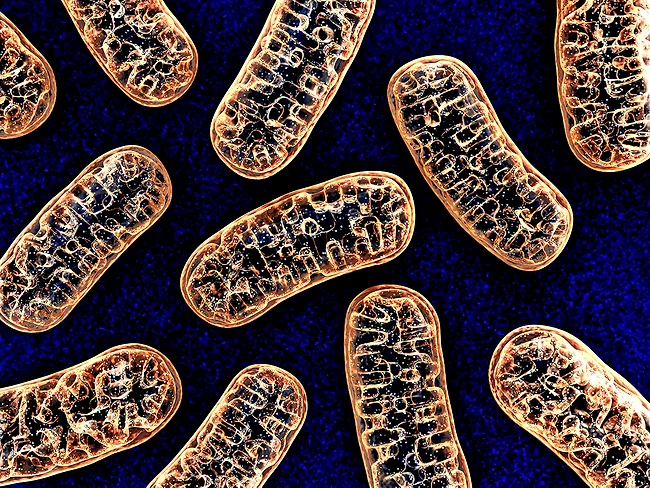
It looks like Biogen Inc.’s Nrf2 activator, Skyclarys (omaveloxolone), will maintain its status as the sole therapy approved for treating patients with Friedreich’s ataxia (FA), at least for now. The U.S. FDA asked for another “adequate and well-controlled study” in the complete response letter (CRL) issued to PTC Therapeutics Inc. for 15-lipoxygenase inhibitor vatiquinone. The agency said “substantial evidence of efficacy was not demonstrated.”
Regeneron Pharmaceuticals Inc. disclosed within a positive second-quarter earnings report that it had received a complete response letter (CRL) two days earlier from the U.S. FDA for its bispecific antibody, odronextamab, for relapsed/refractory follicular lymphoma following two or more lines of systemic therapy.
There are a raft of problems the U.S. FDA wants resolved before Replimune Group Inc.’s BLA for RP-1 (vusolimogene oderparepvec) with nivolumab to treat advanced melanoma goes any further, all of which the company said are a surprise.
Manufacturing issues are the latest problem for Ultragenyx Pharmaceutical Inc. to solve after last week’s disappointment in a phase III study to treat brittle bones. The U.S. FDA gave the company a complete response letter (CRL) regarding the BLA for its gene therapy to treat Sanfilippo syndrome type A, saying it needs more details and improvements made about CMC after having finished manufacturing facility inspections.
Capricor Therapeutics Inc. received a complete response letter (CRL) from the U.S. FDA on the BLA for deramiocel to treat cardiomyopathy in Duchenne muscular dystrophy patients. The company’s CEO said the letter was unexpected.
Daiichi Sankyo Co. Ltd. and Merck & Co. Inc. have voluntarily pulled the BLA for accelerated approval tied to their HER3-directed antibody-drug conjugate (ADC) in treating EGFR-mutated non-small-cell lung cancer. The partnership in the expanding ADC space began nearly two years ago in a $22 billion deal.
Daiichi Sankyo Co. Ltd. and Merck & Co. Inc. have voluntarily pulled the BLA for accelerated approval tied to their HER3-directed antibody-drug conjugate (ADC) in treating EGFR-mutated non-small-cell lung cancer. The partnership in the expanding ADC space began nearly two years ago in a $22 billion deal.
Developing a therapy for an ultra-rare condition has its challenges, including finding enough patients for clinical enrollment and convincing regulatory authorities that limited data prove the candidate is safe and effective. For that reason, Stealth Biotherapeutics Inc. has faced numerous roadblocks getting its mitochondria-targeting elamipretide across the finish line for Barth syndrome, a condition that affects about 230 to 250 males worldwide, including fewer than 150 in the U.S.
Barely a year after the U.S. FDA shackled Abeona Therapeutics Inc.’s cell-based gene therapy with a complete response letter, the agency has approved it for treating a rare and genetic skin disease. Zevaskyn (prademagene zamikeracel), for treating wounds in adult and pediatric patients with recessive dystrophic epidermolysis bullosa, will be priced in the U.S. at $3.1 million.
The U.S. FDA issued a complete response letter (CRL) to Telix Pharmaceuticals Ltd. for its NDA for glioma imaging agent, TLX-101-CDx (floretyrosine F18 or 18F-FET, Pixclara), citing the need for additional confirmatory clinical evidence.