The BioWorld Cancer Index ended the first quarter (Q1) of 2025 down 4.74%, retreating after a promising start that saw the index rise 5.78% by the end of January. In the first quarter, 20 stocks declined in value while just nine posted gains.
After finishing 2024 with a 15.25% decline, the BioWorld Drug Developers Index rebounded 6.93% in January, only to fall back to a modest 1.06% gain by the end of February. The Nasdaq Biotechnology Index and the Dow Jones Industrial Average followed a similar pattern, each rising about 5% by the end of January, before closing February at 3.13% and -2.48%, respectively.
Antibody-drug conjugates (ADCs) combine monoclonal antibody-targeting capabilities with the cytotoxic effect of conjugated drug payloads. However, there is a need for enhanced strategies to overcome restricted therapeutic window or unacceptable off-target effects.
The BioWorld Cancer Index (BCI) saw its highest point of the year from April through July, when it had a run above 30%, before falling to 23.5% at the end of August. It closed Q3 up 22.96% for the year, a sharp divergence from the more extensive Nasdaq Biotechnology Index and Dow Jones Industrial Average, which are tracking down 6.16% and up 1.09%, respectively.
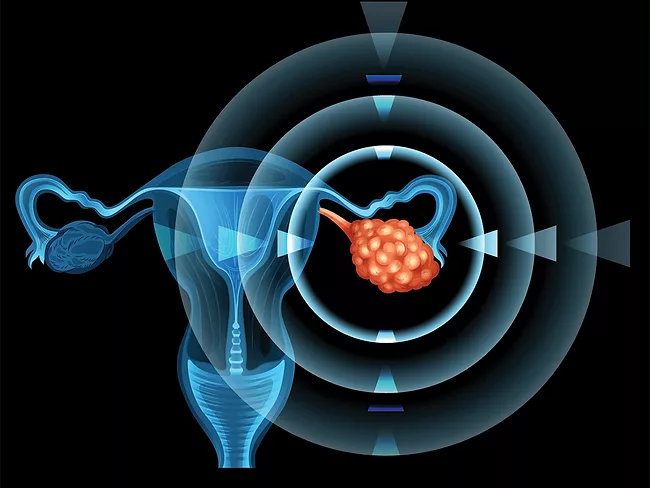
Mersana Therapeutics Inc. followed grim June news with an even worse headline as the phase Ib/II study called Uplift with upifitamab rilsodotin (upri) did not meet its primary endpoint in platinum-resistant ovarian cancer (prOC). The antibody-drug conjugate (ADC) targets the sodium-dependent phosphate transport protein NaPi2b and was developed via the company’s platform called Dolaflexin. Shares of Mersana (NASDAQ:MRSN) tumbled 73%, or $2.84, to close July 27 at $1.07 on word of the failure of the trial.
B7-H4 is an immune-suppressive protein overexpressed in several tumors, including breast, endometrial and ovarian cancers, that has been successfully targeted with antibody-drug conjugate (ADC) strategies in preclinical testing.
A higher rate than expected of serious bleeding, including five deaths, in ovarian cancer patients receiving upifitamab rilsodotin (UpRi) led the U.S. FDA to place a partial clinical hold on two trials, possibly delaying Mersana Therapeutics Inc.’s BLA filing targeted for later this year.
The accelerated approval by the U.S. FDA of Immunogen Inc.’s landmark antibody-drug conjugate Elahere (mirvetuximab soravtansine-gynx) injected further oomph into the NaPi2b space, where a handful of developers are due to yield important data shortly. In play are such names as Mersana Therapeutics Inc. and Zymeworks Inc., encouraged by historical – if not entirely successful – efforts by giant Roche Holding AG.
All gains made throughout the summer have vanished as the BioWorld Cancer Index (BCI) has hit its lowest point in 2022. Down 41.9% this year, BCI diverged in October from the path taken by both the Nasdaq Biotechnology Index (NBI) and the Dow Jones Industrial Average (DJIA), both of which are moving upward. Still, NBI is down 7.8% and DJIA is down 5.4% for the year.