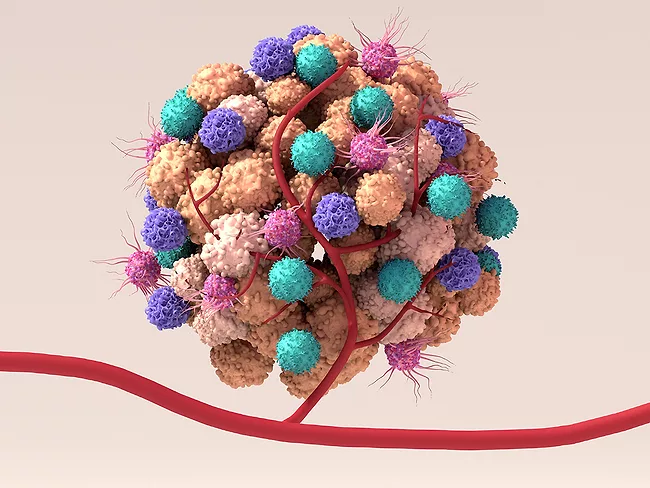
Peptidream Inc. and Genentech Inc., a Roche Holding company, signed a deal worth up to $1 billion to discover and develop macrocyclic peptide-radioisotope (peptide-RI) drug conjugates. Peptidream, of Kawasaki, Japan, will use its peptide discovery platform system technology to discover, optimize and develop macrocyclic peptide candidates for use as peptide-RI drug conjugates against targets of interest to Genentech. Genentech will pay Peptidream an up-front payment of $40 million and up to $1 billion in potential development, regulatory, and commercial-based milestones. In addition, Peptidream is eligible to receive tiered royalties on net sales (ex-Japan) of any products arising from the collaboration.
Peptidream Inc. has entered into a new multitarget collaboration and license agreement with Genentech, a member of the Roche Group, focused on the discovery and development of novel macrocyclic peptide-radioisotope drug conjugates.
Ephrin type-A receptor 2 (EphA2) is a type I transmembrane glycoprotein highly expressed in a wide range of tumors such as bladder, pancreatic, esophageal, colorectal, or non-small-cell lung cancer, among others. Furthermore, in most normal tissues, EphA2 is found at low levels and plays a relevant role in carcinogenesis control and tumor progression modulation.
It has been previously demonstrated that glypican-3 (GPC3) is differentially expressed in hepatocellular carcinomas (HCC), making it a promising target for radiopharmaceutical therapy to treat HCC. At the ongoing meeting of the European Association of Nuclear Medicine in Vienna, researchers from Rayzebio Inc. and Peptidream Inc. presented the preclinical characterization of a novel proprietary peptide binder of GPC3, RAYZ-8009.
Peptidream Inc. and Modulus Discovery Inc. have nominated the first clinical development candidate arising from the companies’ strategic drug discovery partnership.
Japanese pharmaceutical company Astellas Pharma Inc. is scouting for more novel targeted protein degrader (TPD) therapeutics, having added a research and licensing deal with Peptidream Inc. to its shopping cart filled with TPD promises.
Japanese pharmaceutical company Astellas Pharma Inc. is scouting for more novel targeted protein degrader (TPD) therapeutics, having added a research and licensing deal with Peptidream Inc. to its shopping cart filled with TPD promises.
Peptidream Inc. announced a new multi-target collaboration and license agreement with Merck & Co. Inc., known as MSD outside the U.S. and Canada, as well as research collaboration and license agreement with Eli Lilly & Co (Lilly). Both agreements are focused on the discovery and development of novel peptide drug conjugates (PDCs). Under the agreement with MSD, Peptidream will provide peptide candidates identified from its proprietary Peptide Discovery Platform System (PDPS) technology for use as PDCs against targets of interest to MSD.
Peptidream Inc., fresh off expanding a multibillion-dollar research and license agreement with Takeda Pharmaceutical Co. Ltd. earlier this week, has inked a brand new deal with Alnylam Pharmaceuticals Inc. Valued at up to $2.2 billion, including milestones, the new deal is aimed at the discovery and development of peptide-siRNA conjugates for the delivery of therapies to a wide range of cell types and tissues beyond the liver, the central target of Alnylam's marketed products to date.
Peptidream Inc., fresh off expanding a multibillion-dollar research and license agreement with Takeda Pharmaceutical Co. Ltd. earlier this week, has inked a brand new deal with Alnylam Pharmaceuticals Inc. Valued at up to $2.2 billion, including milestones, the new deal is aimed at the discovery and development of peptide-siRNA conjugates for the delivery of therapies to a wide range of cell types and tissues beyond the liver, the central target of Alnylam's marketed products to date.