Carrying through on a policy it adopted a few months ago to crack down on potentially anticompetitive FDA Orange Book listings, the U.S. FTC put 10 drug companies on notice that it’s challenging several of their “improperly or inaccurately listed” patents through the FDA’s regulatory dispute process.
Teva Pharmaceutical Industries Ltd. is partnering with Sanofi SA in a 50-50 collaboration to develop and commercialize its anti-TL1A candidate, TEV ‘574, initially for inflammatory bowel disease (IBD), in a deal that comes with an up-front payment of €469 million (US$500 million) and up to €940 million in development and launch milestones.
Teva Pharmaceutical Industries Ltd. is partnering with Sanofi SA in a 50-50 collaboration to develop and commercialize its anti-TL1A candidate, TEV ‘574, initially for inflammatory bowel disease (IBD), in a deal that comes with an up-front payment of €469 million (US$500 million) and up to €940 million in development and launch milestones.
Forget location. It’s timing, timing, timing when it comes to escaping the first round of U.S. Medicare price negotiations due to pending biosimilar competition. Under the Inflation Reduction Act (IRA), only single-source drugs that have been approved for a specific length of time are subject to the forced negotiations, which focus on drugs with the biggest Medicare spend, not necessarily the highest price tag. Since the IRA gives biologics a 12-year safe harbor from negotiations, which aligns with the biologic exclusivity provided by the Biologic Price Competition and Innovation Act, it creates a scenario in which the innovator could be facing negotiations just as its first biosimilar competition prepares to launch. That creates a lot of what-ifs.
It’s not a done deal yet, but Teva Pharmaceutical Industries Ltd. has agreed in principle to pay up to $4.25 billion, plus about $100 million to Native American tribes, to end most of the lawsuits it’s facing across the U.S. over its opioid sales. The figure includes settlements the company already has made with some state and local governments, as well as the supply of up to $1.2 billion worth of Teva’s generic naloxone nasal spray.
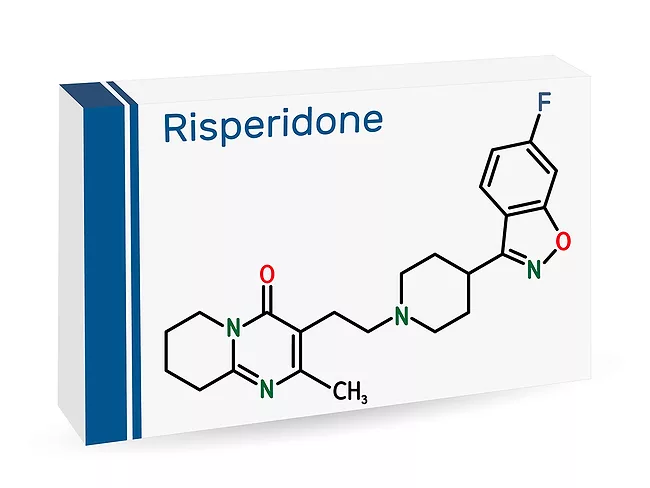
Shares in Medincell SA dropped 29.1% Apr. 20 on news that the U.S. FDA slapped a complete response letter (CRL) on an NDA for an extended release, long-acting formulation of risperidone, which it is co-developing with Teva Pharmaceuticals Industries Ltd. as a maintenance treatment for schizophrenia.
Deciding not to roll the dice this time, Johnson & Johnson (J&J) and its U.S.-based Janssen Pharmaceutical Cos. removed themselves April 18 from an ongoing opioid trial in West Virginia by agreeing to a $99 million settlement with the state.
Although broader use of biosimilars in the U.S. would reduce Medicare Part D spending and save beneficiaries nearly $2 million in out-of-pocket costs, plan formularies continue to discourage the use of the more affordable follow-ons, according to a recent report from the Department of Health and Human Services’ Office of Inspector General.
The U.S. International Trade Commission (USITC) reported Jan. 26 that it will investigate whether Alvotech Hf and Teva Pharmaceutical Industries Ltd. misappropriated trade secrets when developing a potential interchangeable biosimilar to Abbvie Inc.’s mega-blockbuster, Humira (adalimumab).
With licensed Humira (adalimumab) biosimilar competition a little more than a year away in the U.S., Abbvie Inc. is trying to fend off competitors that have not signed an agreement with the North Chicago-based company.