In September 2025, BioWorld recorded 230 clinical trial updates spanning phases I through III, up sharply from 95 in August, 140 in July and just below 254 in June. Among these, 22 phase III trials reported positive outcomes, while four ended in failure and another three produced mixed results.
Tango Therapeutics Inc. plans a pivotal study next year in second-line MTAP-deleted pancreatic ductal adenocarcinoma based on positive phase I/II data with next-generation MTA-cooperative PRMT5 inhibitor vopimetostat (TNG-462) in patients with tumors of that type.
Stem cells are a promising therapeutic modality to fight aging and age-related disease, speakers at the Bio-Plus Interphex Korea 2025 said. Progress in cell-based longevity medicine is being made, they added, although safety, ethical and regulatory issues are ongoing challenges.
Sweeping “radical” changes in both the U.S. FDA and China’s drug development landscape are keeping the global life science industry on its toes in assessing what’s temporary and what’s not, speakers said at the Bioplus Interphex (BIX) Korea 2025 conference in Seoul, South Korea, on Oct. 15.
Biopharma companies announced $73.38 billion in deals from 240 transactions during the third quarter (Q3) of 2025, bringing the year-to-date total to $212.44 billion, up from $149.87 billion in the same period of 2024. The total marks the highest deal value through Q3 ever recorded by BioWorld.
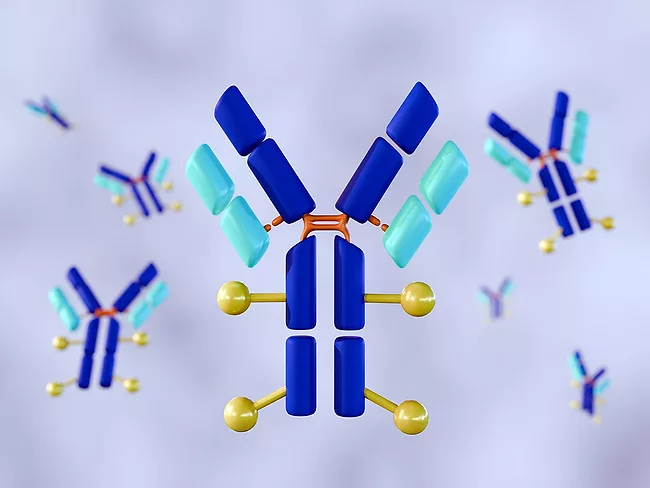
Antibody-drug conjugates (ADCs) are a mature technology. The first ADC, Mylotarg, was initially approved in 2000, and there are now 14 approved agents in both leukemias and solid tumors. According to Clarivate’s Cortellis Drug Discovery & Intelligence, those drugs collectively accounted for $13.55 billion in sales in 2024 – a figure that Cortellis projects will rise to $16 billion in 2025.

 RSS
RSS