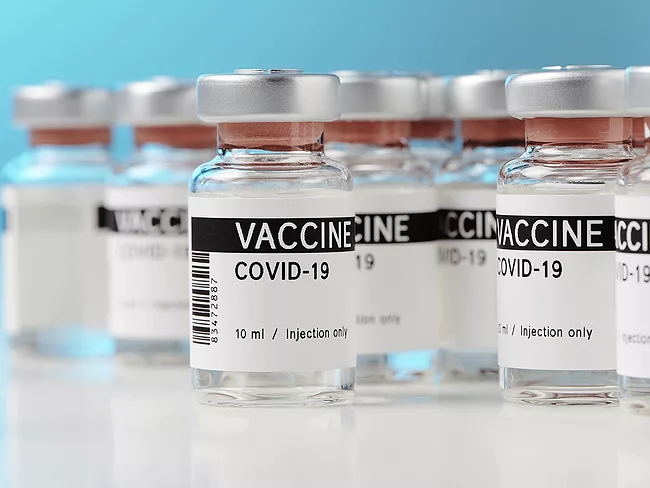
Clinical and regulatory data reported in 2020 are up 24% and 47%, respectively, over the prior year, proving to be the busiest 12 months on record for the biopharma industry, in spite of, or perhaps because of, a deadly global pandemic.
It was a turbulent year for publicly traded biopharmaceutical companies, but after a lackluster first quarter that saw biopharma equities plunge dramatically, particularly at the beginning of March, there was a gradual recovery over the final three quarters of the year. In order to determine just how well the sector performed on the capital markets, BioWorld examined the fortunes of 516 U.S. biopharma and related stocks.
As the world begins to emerge from a horrific pandemic, it has become abundantly clear that dangerous infections are here to stay, and it is up to health care leaders and citizens to remain prepared and vigilant in preventing another deadly and disruptive COVID-19.
PERTH, Australia – The majority of medical device and biopharma industry respondents agreed that Australia’s Therapeutic Goods Administration (TGA) responded effectively to COVID-19, but they want to see the agency improve its processes to act faster and with more clarity, according to the TGA’s annual stakeholder survey.
The 39th Annual J.P. Morgan Healthcare Conference was sans Celgene Corp.'s annual tradition of kicking off the conference with preliminary revenue and earnings from the previous year, but plenty of other companies stepped up and offered preliminary results of their own. Unfortunately, some companies continued to face headwinds selling drugs during the pandemic as patients avoided their doctors' offices.
From nearly every angle, med-tech financings in 2020 are at a four-year high, raising the industry a whopping $59.7 billion, a 47% increase over the prior year. The records were set despite the deadly SARS-CoV-2 virus that shut down global economies throughout 10 months of the most disruptive year in a lifetime. The pandemic highlighted a widespread need for med-tech technologies, such as diagnostics, for which the industry delivered hundreds of options. Likewise, ventilators, personal protective equipment, telemedicine capabilities and wearables were in high demand.