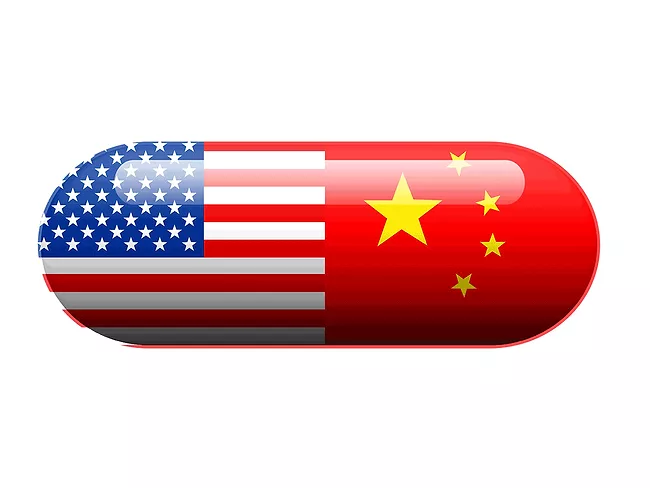
HONG KONG and BEIJING – Not just multinational players but domestic Chinese pharmaceutical companies are poised to benefit from China’s promise under a phase one trade deal with the U.S. to better protect intellectual property (IP), even if question marks remain around how the deal will be enforced. The move is in line with China's ambition to strengthen IP rights protection and upgrade the approach to innovation of its pharmaceutical and biotech industries.
According to Janet Lambert, CEO of the Alliance for Regenerative Medicine (ARM), in her delivery of the international advocacy group’s state of the industry briefing at Biotech Showcase in San Francisco, 2019 proved to be a significant year of growth for the regenerative medicine sector.
Adding further evidence about the global threat of the increase of antimicrobial-resistant (AMR) infections and dearth of new antibiotics to treat those conditions, Thomas Cueni, chair of the AMR Industry Alliance, said the findings from the alliance’s newly released report are “a wake-up call” as they estimate current investments in AMR-relevant R&D are not enough to sustain a viable pipeline that will be needed to combat infectious diseases globally.
The final scorecard for med-tech IPOs in 2019 shows that Lake Forest, Calif.-based Inmode Ltd. performed the best since its August debut, while San Diego-based Guardion Health Sciences Inc. lost the most stock value during the year.
New gene therapy treatments could add $45 billion to the cost of health care over the next five years, according to a new report from CVS Health Corp., of Woonsocket, R.I. While the number is staggering, without knowing the price of the currently unapproved therapies, how many patients will seek treatment and the likelihood of approval, the pharmacy benefit manager's estimate is basically an educated guess.

 RSS
RSS