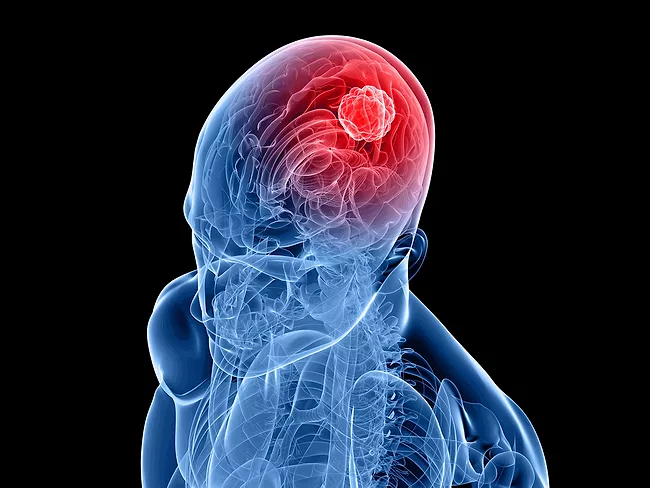
Researchers working at Lerner Research Institute, Cleveland Clinic reported in the November 8, 2021, issue of NatureCancer that an inhibitor of the beta-amyloid producing enzyme, BACE1, could reprogram tumor-promoting M2 macrophages to exert M1 tumor-suppressing activities in animal models of glioblastoma multiforme.
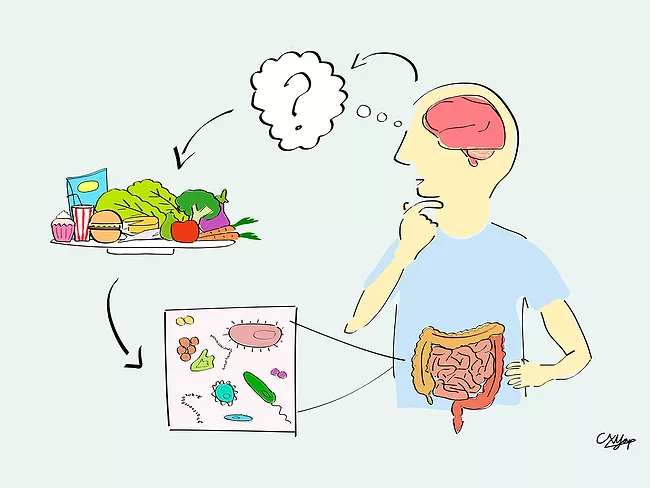
PERTH, Australia – Australian researchers have debunked previous research that suggests autism spectrum disorder behavior may be caused by differences in the composition of the gut microbiota.
A Chinese study led by scientists at Nanjing University is the first to show that modified small extracellular vesicles can cross the placenta and blood-brain barrier to target drug delivery in mice infected with the Zika virus, in which they were shown to significantly reduce fetal neurological damage, including microcephaly.
LONDON – A pilot study has shown that whole genome sequencing can pinpoint the genetic causes of rare diseases, even in people who had previously not been given a diagnosis after undergoing sequencing of their protein coding exome.
In a recent study, a team of researchers at the University of Washington and Seattle Children's Research Institute have discovered that spiny mice can regenerate severely damaged internal organs that, in other mice, would lead to fatal organ failure.
LONDON – Researchers have pinpointed a little-studied gene as responsible for doubling the risk of respiratory failure in COVID-19 and shown exactly how it exerts its effect. The gene, leucine zipper transcription factor like 1, is activated by a single base pair change on chromosome 3 that occurs in 60% of people of South Asian ancestry and 15% of people of European ancestry.
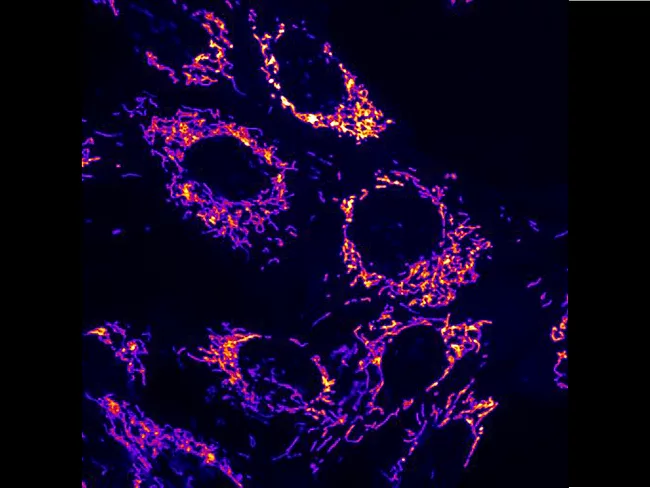
Investigators at Northwestern University’s Feinberg School of Medicine have used a new mouse model of Parkinson’s disease to confirm a causal role for mitochondrial dysfunction in Parkinson’s disease. More surprisingly, the same model has called into question previously uncontroversial notions about the motor features that are PD’s most conspicuous feature.
The sprint of fighting COVID-19 has been in respiratory medicine. For patients who become acutely ill, the short-term danger is in respiratory failure. But increasingly, it seems like the pandemic’s marathon fight may come to be against the neurological symptoms of COVID-19.
An international study led by U.S. oncologists at Children's Hospital of Philadelphia has successfully used a new antibody discovery platform developed by Myrio Therapeutics of Melbourne, Australia, to help identify and target key drivers of neuroblastoma in mouse models, the authors reported in the November 3, 2021, issue of Nature.
LONDON – Researchers have pinpointed a little-studied gene as responsible for doubling the risk of respiratory failure in COVID-19 and shown exactly how it exerts its effect. The gene, leucine zipper transcription factor like 1, is activated by a single base pair change on chromosome 3 that occurs in 60% of people of South Asian ancestry and 15% of people of European ancestry.
 RSS
RSS