BioWorld. Link to homepage.

Clarivate
  • BioWorld
  • BioWorld MedTech
  • BioWorld Asia
  • BioWorld Science
  • Data Snapshots
    • BioWorld
    • BioWorld MedTech
    • Infographics: Dynamic digital data analysis
    • Index insights
    • NME Digest
  • Special reports
    • Infographics: Dynamic digital data analysis
    • Trump administration impacts
    • Under threat: mRNA vaccine research
    • BioWorld at 35
    • Biopharma M&A scorecard
    • Bioworld 2025 review
    • BioWorld MedTech 2025 review
    • BioWorld Science 2025 review
    • Women's health
    • China's GLP-1 landscape
    • PFA re-energizes afib market
    • China CAR T
    • Alzheimer's disease
    • Coronavirus
    • More reports can be found here

BioWorld. Link to homepage.

  • Sign In
  • Sign Out
  • My Account
Subscribe
BioWorld - Thursday, December 25, 2025
Home » Topics » Omics, BioWorld Science

Omics, BioWorld Science
Omics, BioWorld Science RSS Feed RSS

Genome concept art.
Infection

Study looks to noncoding gene variants for new drug targets

March 12, 2025
By Nuala Moran
A new multi-omics approach to unpicking how noncoding gene variants influence the development of common chronic diseases has identified tens of thousands of instances where variants have an impact on gene expression levels and gene splicing, the post-transcriptional modification that allows one gene to code for multiple proteins.
Read More
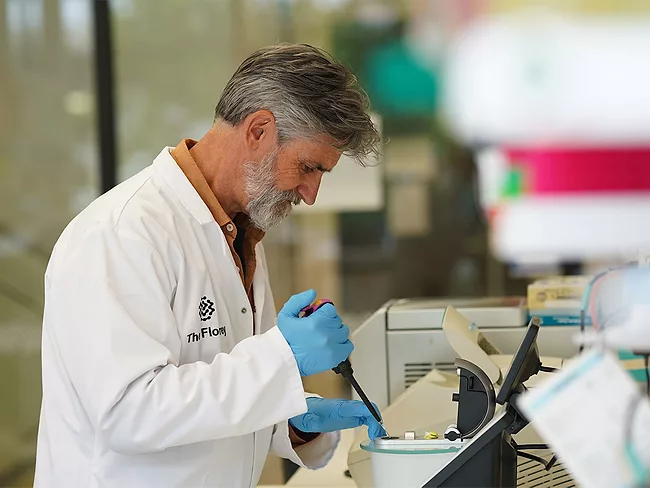
Justin Rubio working in the lab
Inflammatory

Inflammation appears to cause mutations linked to MS progression

March 10, 2025
By Tamra Sami
For the first time, researchers have identified that inflammation – long associated with multiple sclerosis (MS) – appears to cause increased mutations that damage neurons linked to MS progression. Researchers at the Florey Institute and the University of Melbourne studied MS brain lesions, which are areas of past or ongoing brain inflammation that are visible as spots on MRI scans.
Read More
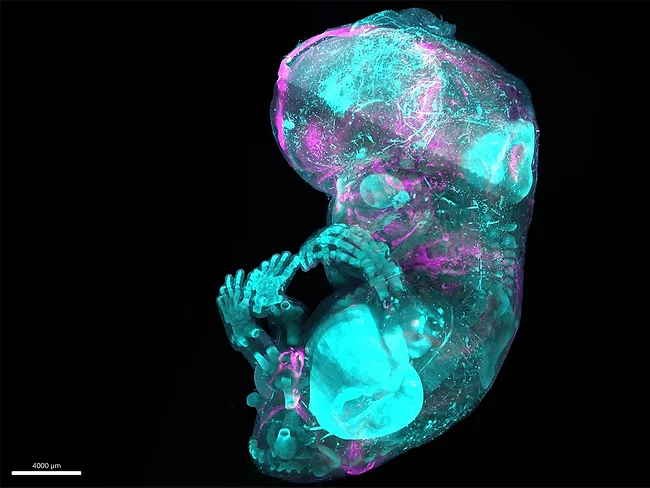
D-rendered image showing atlas of human embryonic skeletal development
Drug design, drug delivery & technologies

More than 100M cells included in the human cell atlas

Nov. 21, 2024
By Mar de Miguel
An international consortium of thousands of scientists is creating the Human Cell Atlas, a three-dimensional map of all the cells in the body. The goal is to understand all the cells that make up human tissues, organs and systems, which will enable multiple medical applications. This collection of cell maps is openly available for navigation at single-cell resolution, identified through omics analyses that reveal the tridimensional distribution of each cell.
Read More
Illustrated map of Indonesia showing connected dots
Genetic/congenital

Alternative splicing study reveals genetic variants across Indonesian archipelago

Oct. 16, 2024
By Tamra Sami
A new study helps explain the role of genetic variation in shaping gene regulation in the Indonesian archipelago, one of the most diverse regions in the world. “This study is the only study of splicing from Southeast Asian populations. There is basically no data from this part of the world,” study author Irene Gallego Romero told BioWorld. For drug discovery, most of the people that have historically participated in clinical trials are of European ancestry, and scientists are just beginning to study African populations to better understand genetic differences in these populations, said Romero, a population geneticist and biological anthropologist at the University of Melbourne.
Read More
Female doctor with 3D medical model of pelvis
Genitourinary/sexual function

Neuregulin variant predicts gabapentin efficacy in chronic pelvic pain

July 31, 2024
Investigators at the University of Edinburgh have identified a genomic location linked to sensitivity to gabapentin in individuals with idiopathic chronic pelvic pain.
Read More
Cell research illustration
Musculoskeletal

ISSCR 2024: iPS cell line panels can be isogenic and diverse

July 15, 2024
By Anette Breindl
The big advantage of cell culture to model diseases is its throughput. “You can play the disease over and over again in the dish,” Clive Svendsen told the audience at the International Society of Stem Cell Research (ISSCR) Annual Meeting held in Hamburg last week. That high throughput, however, is not particularly useful if the cell lines themselves do not accurately model the disease. Cancer cell lines are used in many cell culture experiments far beyond cancer for their ability to grow. But they are “highly abnormal,” Bill Skarnes told the audience at an innovation showcase, as well as quite unstable. “I don’t think the [HEK-293] cell line is the same in your lab as it is in the lab next door,” Skarnes said.
Read More
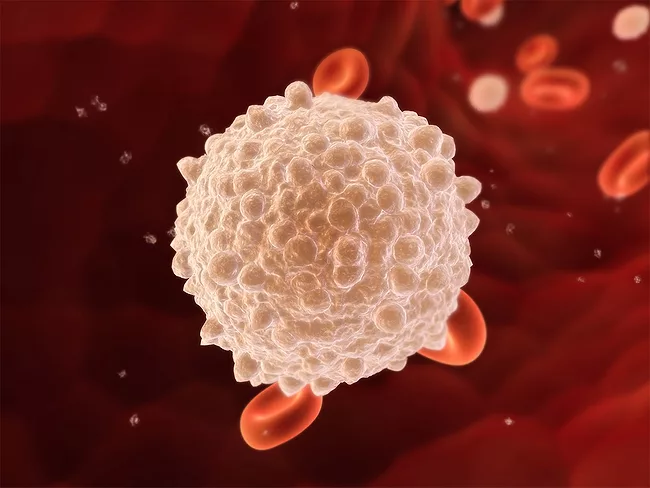
Illustration of a helper t cell in the bloodstream
Immune

Finely slicing T cells yields rare, disease-associated subtypes

July 9, 2024
By Mar de Miguel
A new methodology based on the regulation of genetic enhancers has made it possible to develop a cellular map that reveals new types of helper T cells related to immunological disorders that could be explored for the development of new therapies. “I am very interested in the function of rare T cells, and I am trying to analyze their function by eliminating certain rare T cells with antibodies with ADCC [antibody-dependent cell-mediated cytotoxicity] activity or by disrupting genes that characterize rare T cells in animal models,” senior author Yasuhiro Murakawa told BioWorld.
Read More
Concept art for damaged DNA structure
Neurology/psychiatric

DNA damage and open chromatin are epigenetic twins in Alzheimer’s disease

July 3, 2024
By Mar de Miguel
Alzheimer’s disease (AD) is a neurodegenerative condition in which amyloid plaques and neurofibrillary tangles accumulate in the brain. In addition to genetic factors, DNA damage and epigenetic alterations also play a key role in the pathogenesis and progression of this disease, altering gene expression, the functioning and maintenance of brain cells. DNA double-strand breaks (DSBs) and chromatin accessibility are two hallmarks of AD whose study could reveal new ways of approaching this disease.
Read More
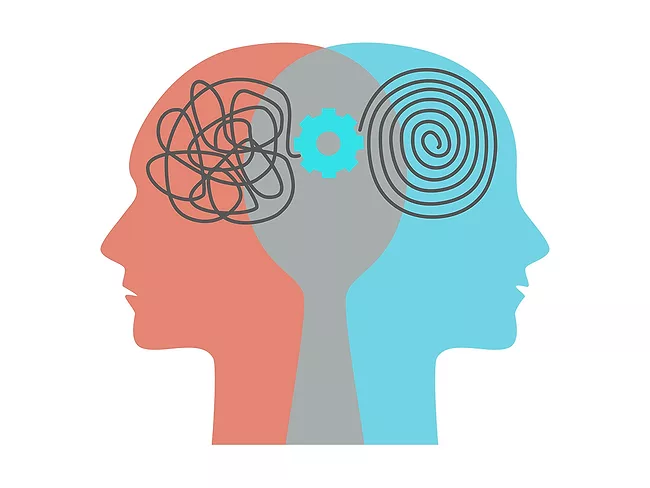
Two silhouettes with tangle, gear, spiral
Neurology/psychiatric

Dissecting post-traumatic stress disorder and depression

May 28, 2024
By Mar de Miguel
Scientists from the PsychENCODE Consortium have analyzed the brain transcriptome in a coordinated series of studies to map all the cell types, genes, epigenetic factors, and molecular pathways involved in different psychiatric disorders. After a first set of projects based on bulk analysis, the second phase of this project included 14 simultaneous publications that revealed the cellular atlas of post-traumatic stress disorder (PTSD) and major depressive disorder (MDD), among others.
Read More
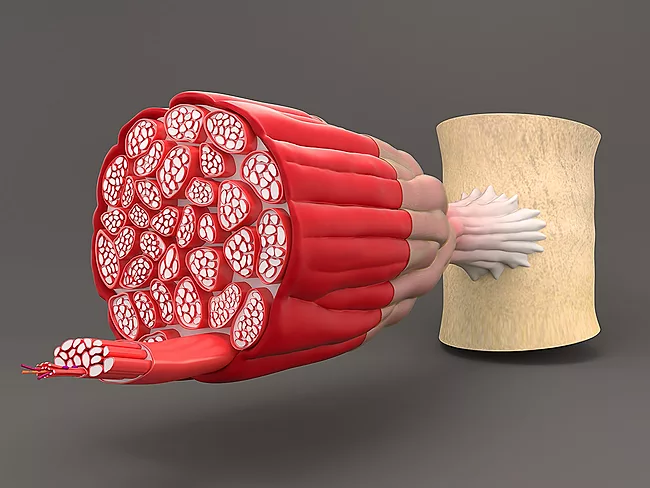
3D cross-section illustration of muscle anatomy
Aging

Preserving autophagy protects from muscle aging

April 26, 2024
By Mar de Miguel
A protein whose expression decreases during aging could be key to preserving cellular maintenance mechanisms and preventing the progressive loss of muscle mass that occurs during aging. Scientists from the Institute for Research in Biomedicine (IRB) and the University of Barcelona (UB) have revealed the role of the TP53INP2 protein in autophagy and the effects of its reduction on skeletal muscle during aging.
Read More
Previous 1 2 3 Next

Popular Stories

  • Today's news in brief

    BioWorld
    BioWorld briefs for Dec. 24, 2025.
  • Today's news in brief

    BioWorld MedTech
    BioWorld MedTech briefs for Dec. 24, 2025.
  • Illustration of magnifying glass looking at cancer in the brain

    Researchers discover how glioblastoma tumors dodge chemotherapy

    BioWorld MedTech
    Researchers at the University of Sydney have uncovered a mechanism that may explain why glioblastoma returns after treatment, and the world-first discovery offers...
  • Left: Anthony Fauci. Right: Transmission electron micrograph of HIV-1 virus particles

    HIV research is close to a cure but far from ending the pandemic

    BioWorld
    Advances in antiretroviral therapy (ART) now allow people living with HIV to lead normal lives with undetectable and nontransmissible levels of the virus in their...
  • Acute myeloid leukemia illustration

    Apollo’s APL-4098 shows potent antileukemic effects

    BioWorld Science
    Apollo Therapeutics Ltd. has developed APL-4098, a small-molecule general control nonderepressible 2 (GCN2) inhibitor for the potential treatment of AML.
  • BioWorld
    • Today's news
    • Analysis and data insight
    • Clinical
    • Data Snapshots
    • Deals and M&A
    • Financings
    • Newco news
    • Opinion
    • Regulatory
    • Science
  • BioWorld MedTech
    • Today's news
    • Clinical
    • Data Snapshots
    • Deals and M&A
    • Financings
    • Newco news
    • Opinion
    • Regulatory
    • Science
  • BioWorld Asia
    • Today's news
    • Analysis and data insight
    • Australia
    • China
    • Clinical
    • Deals and M&A
    • Financings
    • Newco news
    • Regulatory
    • Science
  • BioWorld Science
    • Today's news
    • Biomarkers
    • Cancer
    • Conferences
    • Endocrine/Metabolic
    • Immune
    • Infection
    • Neurology/Psychiatric
    • NME Digest
    • Patents
  • More
    • About
    • Advertise with BioWorld
    • Archives
    • Article reprints and permissions
    • Contact us
    • Cookie policy
    • Copyright notice
    • Data methodology
    • Infographics: Dynamic digital data analysis
    • Index insights
    • Podcasts
    • Privacy policy
    • Share your news with BioWorld
    • Staff
    • Terms of use
    • Topic alerts
Follow Us

Copyright ©2025. All Rights Reserved. Design, CMS, Hosting & Web Development :: ePublishing