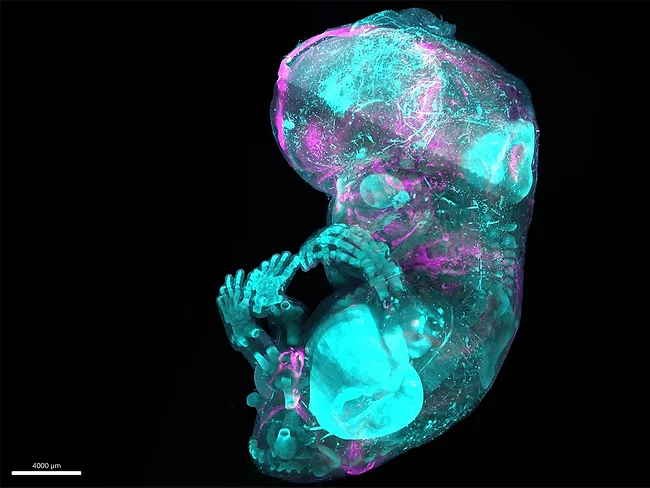
An international consortium of thousands of scientists is creating the Human Cell Atlas, a three-dimensional map of all the cells in the body. The goal is to understand all the cells that make up human tissues, organs and systems, which will enable multiple medical applications. This collection of cell maps is openly available for navigation at single-cell resolution, identified through omics analyses that reveal the tridimensional distribution of each cell.
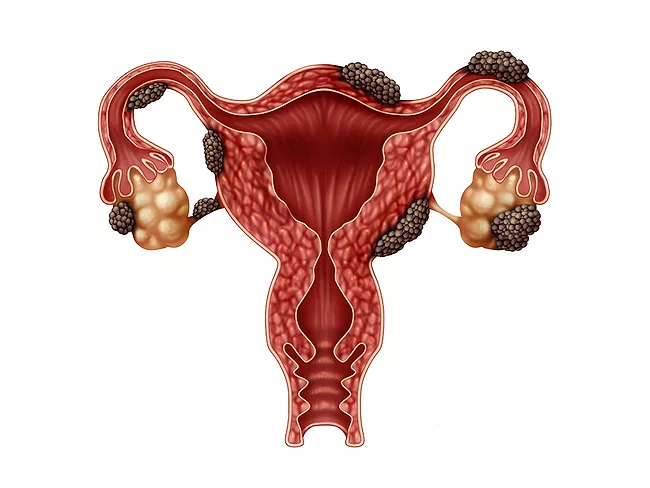
After decades of being woefully under-diagnosed and all but ignored by the biotech and pharma industry, recent advances in understanding its complex etiology could be opening the way to new treatments for endometriosis. Impetus is coming from (modest) increases in funding for basic research, such as the Biden administration’s $200 million for women’s health research and NIH grants under an ‘Advancing cures and therapies and ending endometriosis diagnostic delays’ call announced in March of this year.
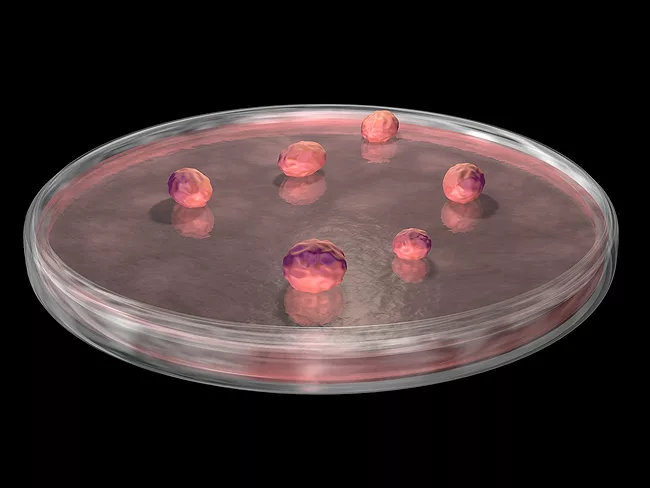
Astellas Pharma Inc.’s subsidiaries Astellas Institute for Regenerative Medicine (AIRM) and Universal Cells Inc. have entered into a research collaboration with Osaka University to develop a pluripotent stem cell-derived cartilage organoid cell therapy for the treatment of intervertebral disc degenerative disease.
Fibrobiologics Inc. has announced the development of a novel artificial thymus organoid that can restore immune function in a severe combined immunodeficiency (SCID) mouse model.
Organoids are 3D models created from human stem cells and resemble fetal tissues. In an article published in Nature Medicine on March 4, 2024, researchers from University College London provided details on the possibility of generating organoids from epithelial cells collected from amniotic fluid without terminating the pregnancy.
Organoids are 3D models created from human stem cells and resemble fetal tissues. In an article published in Nature Medicine on March 4, 2024, researchers from University College London provided details on the possibility of generating organoids from epithelial cells collected from amniotic fluid without terminating the pregnancy.
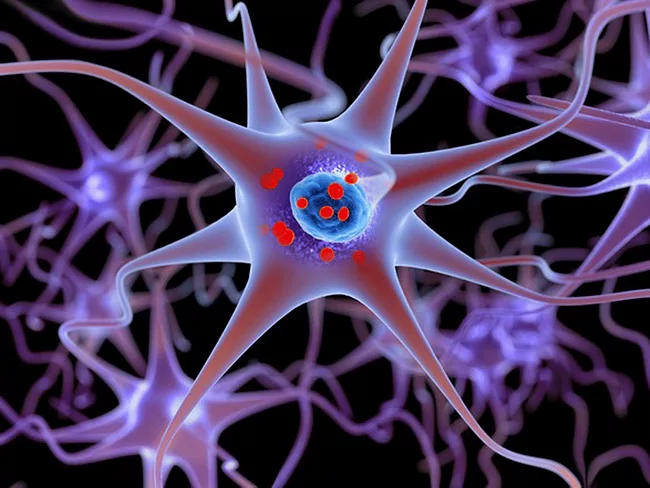
Stem Pharm Inc. and Verge Genomics (Verge Analytics Inc.) have established a collaboration to develop a disease model to validate novel targets identified by Verge for Parkinson’s disease.
Collplant Biotechnologies Ltd. and Ramot at Tel Aviv University Ltd., the technology transfer company of Tel Aviv University and Sheba Medical Center, have entered into a license and research agreement to codevelop a gut-on-a-chip tissue model for drug discovery and high-throughput screening of drugs.

 RSS
RSS