Positive results from Bridgebio Pharma Inc.’s phase II study of infigratinib in children with achondroplasia, a genetic disease that inhibits bone length and leads to short stature, prompted the company stock to surge. Participants receiving the highest dosage, which was the fifth cohort getting 0.25 mg/kg daily, saw a 3.03-centimeter increase, about 1.19 inch, in their height annually, which produced a “p” value of 0.0022.
Esperion Therapeutics Inc.’s full results from the phase III outcomes trial called Cholesterol Lowering via Bempedoic Acid, an ACL-Inhibiting Regimen, known by the rough acronym CLEAR, inspired excitement in the mainstream media worldwide but not on Wall Street, as numbers from the experiment fell short of what some wanted. Though the findings proved unmistakably positive, shares of Ann Arbor, Mich.-based Esperion (NASDAQ:ESPR) dropped almost 20% or $1.27 to close March 6 at $5.08.
Praxis Precision Medicines Inc. CEO Marcio Souza said it would be “disingenuous not to move forward” – U.S. FDA willing – into a phase III effort with an alternate design targeted for the second half of this year, given top-line results from the phase IIb Essential-1 study with ulixacaltamide (PRAX-944) for essential tremor.
Inovio Pharmaceuticals Inc. has “more work to do” in understanding mixed results with the DNA-based immunotherapy VGX-3100 as a treatment for cervical high-grade squamous intraepithelial lesions associated with human papillomavirus (HPV)-16 or HPV-18, said Michael Sumner, chief medical officer for the company. “We only got the data in our hands about a week ago.”
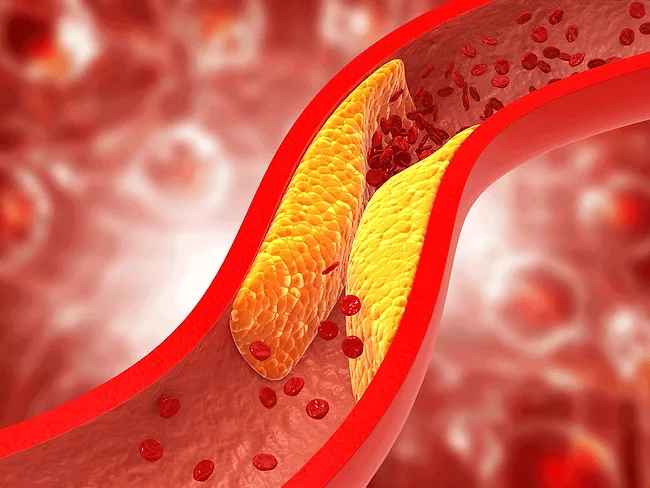
Junshi Biosciences Co. Ltd.’s ongericimab, a recombinant humanized anti-PCSK9 monoclonal antibody, met the primary endpoints of reducing the levels of low-density lipoprotein cholesterol in two phase III trials in primary hypercholesterolemia and mixed hyperlipidemia.
A shortage of efficacy compared to placebo in a phase II study of treating cognitive impairment has put Aptinyx Inc. on the defensive. The company’s oral, small-molecule NMDA receptor modulator, NYX-458, was being studied in 99 patients with mild cognitive impairment or mild dementia associated with Parkinson’s disease or Lewy body dementia. Based on the results, Aptinyx has decided to stop the therapy’s development, along with closing its phase IIb study of another oral, small molecule, NYX-783, for treating post-traumatic stress disorder.
If clinical efforts pan out, gamma delta T-cell specialist TC Biopharm plc could plant the space’s first U.S. regulatory flag. Founded 10 years ago, the Glasgow, U.K.-based firm is marching ahead with phase IIb work testing main asset Omnimmune, an allogeneic unmodified cell therapy, in acute myeloid leukemia (AML).
Once-monthly subcutaneous injections of CSL Ltd.’s CSL-312 (garadacimab) significantly reduced the rate of hereditary angioedema (HAE) attacks compared to placebo, meeting both primary and secondary endpoints in the pivotal phase III Vanguard trial. Based on the trial results, CSL will file global regulatory submissions later in 2023.
Biocryst Pharmaceuticals Inc.’s unveiling of real-world data Feb. 24 with its approved Orladeyo (berotralstat) for prophylactic treatment of hereditary angioedema (HAE) brought more attention to the space, due to yield findings from would-be competitors in the near term.
Nektar Therapeutics Inc. President and CEO Howard Robin didn’t mince words during a call with investors after market close Feb. 23 to disclose top-line data from a phase II study testing rezpegaldesleukin (rezpeg) in systemic lupus erythematosus, which fell short of partner Eli Lilly and Co.’s criteria for advancing to phase III and raised uncertainty as to how the big pharma might proceed in other indications such as atopic dermatitis (AD).

 RSS
RSS