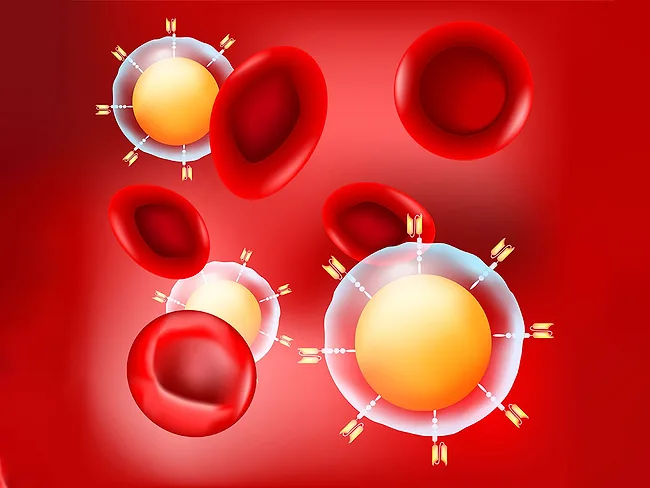
Treatment with first-generation CAR T cells regularly sent patients to the intensive care unit. Now, investigators are envisioning a future where CAR T treatment could occur on an outpatient basis. At Sunday’s late-breaking oral session of the 2026 Annual Congress of the European Hematology Association (EHA2026), Lei Fan told his audience that the first-in-human data “support further development of LB-2501 as a potential first-in-class, off-the-shelf, single infusion, no lymphodepletion, outpatient use CAR T therapy.” Fan is a professor of hematology at the First Affiliated Hospital of Nanjing Medical University.
Oricell Therapeutics Holdings Ltd.’s glypican-3 (GPC3)-targeted autologous CAR T therapy, Ori-C101, is heading into a confirmatory registration phase II trial in patients with GPC3-positive advanced hepatocellular carcinoma, positioning it as the first GPC3-directed immune cell therapy – and the first CAR T therapy for liver cancer – to reach that stage of development.
Takeda Pharmaceutical Co. Ltd.’s oral TYK2 inhibitor zasocitinib (TAK-279) demonstrated statistical superiority over Bristol Myers Squibb Co.’s first-in-class Sotyktu (deucravacitinib) in a top-line phase III Latitude Atlas readout of moderate to severe plaque psoriasis.
With full phase II results in hand, MBX Biosciences Inc. backers are stacking the odds of parathyroid hormone (PTH) peptide prodrug canvuparatide (canvu) against Yorvipath (palopegteriparatide} from Ascendis Pharma A/S, a PTH analog cleared by the U.S. FDA in August 2024 for hypoparathyroidism (HP).
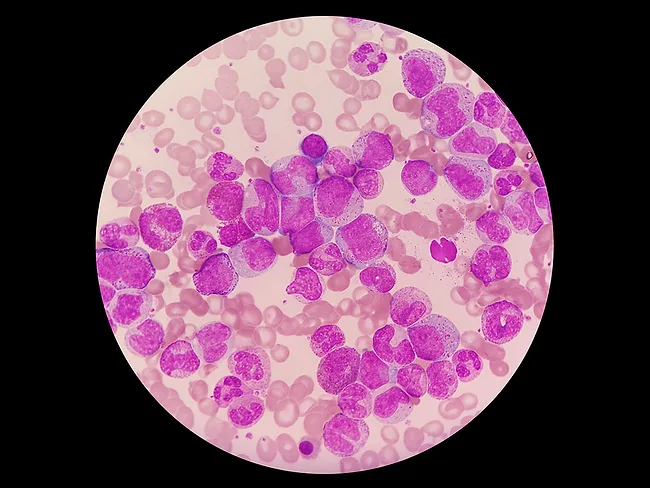
Tolerability is a key factor in the appeal of Enliven Therapeutics Inc.’s ELVN-001 for previously treated chronic myeloid leukemia (CML), which yielded positive updated phase I data from the Enable trial. Dennis Kim, hematologist from Princess Margaret Cancer Center in Toronto, said he would use the drug for a patient “who doesn’t have any other options.”
Investors in Dianthus Therapeutics Inc. apparently chose to ignore subtleties in the difference between efforts with that firm’s claseprubart vs. those by competitor Sanofi SA, which said that the phase III Mobilize study testing riliprubart in chronic inflammatory demyelinating polyneuropathy (CIDP) will be stopped for futility.
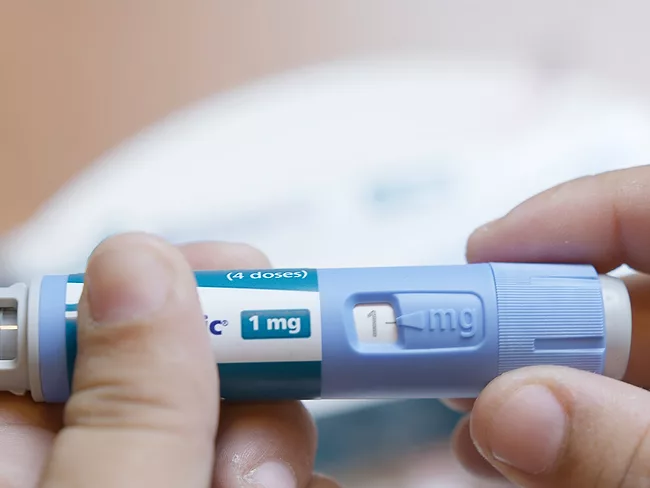
GLP-1 receptor agonists remained center stage at the 2026 Scientific Sessions of the American Diabetes Association with Boehringer Ingelheim GmbH and Astrazeneca plc, joining the leaders, Eli Lilly and Co. and Novo Nordisk A/S, in presenting data for their respective GLP-1 drugs.
Tango Therapeutics Inc. will be sitting down with the U.S. FDA soon to discuss pivotal work ahead based on what Cantor analyst Eric Schmidt called “amazing” data from the phase I/II study of vopimetostat, a PRMT5 inhibitor, paired with Revolution Medicines Inc.’s RAS(ON) inhibitors in patients with MTAP-deleted and RAS-mutant metastatic pancreatic ductal adenocarcinoma (PDAC) as well as non-small cell lung cancer.
If the 2026 American Society of Clinical Oncology (ASCO) annual meeting in Chicago from May 30 to June 3 demonstrated anything about the evolution of China’s biotechnology sector, it was that the industry’s center of gravity is shifting. While Chinese companies once relied heavily on PD-1 antibodies and licensing deals to gain international visibility, this year’s oral presentations showcased a broader innovation base.
Roche Holding AG has rapidly developed a research-use only molecular PCR test to detect the rare Ebola Bundibugyo virus, to support response efforts amid the ongoing outbreak in the Democratic Republic of Congo and Uganda. The test comes as commentary in The Lancet this week underscored the urgent need for a fit-for-purpose diagnostic test, as it warned that the absence of reliable testing is hampering efforts to ascertain the scale of the epidemic and understand the transmissibility of this strain of Bundibugyo virus.
 RSS
RSS