A low-intensity transcranial ultrasound stimulation device, developed by Sonomind SAS, was proven to be safe and effective in treating patients suffering from drug-resistant depression. The results of a study published in Brain Stimulation showed a 61% reduction in the depressive symptoms of patients treated with the device over a five-day period, with no serious adverse events.
The promise of mesenchymal stem cells (MSCs) to heal heart disease could be around the corner thanks to a new delivery method tested by regenerative medicine company Cynata Therapeutics Ltd.
Oncosil Medical Ltd.’s brachytherapy device outperformed stereotactic body radiation therapy plus chemotherapy in patients with unresectable or borderline-resectable locally advanced pancreatic cancer, according to a comparative analysis.
Pulsed field ablation dominated discussions and scientific sessions at Heart Rhythm 2025 in San Diego with researchers and manufacturers touting new applications in persistent atrial fibrillation, atrial flutter and addressing specific challenges for existing systems.
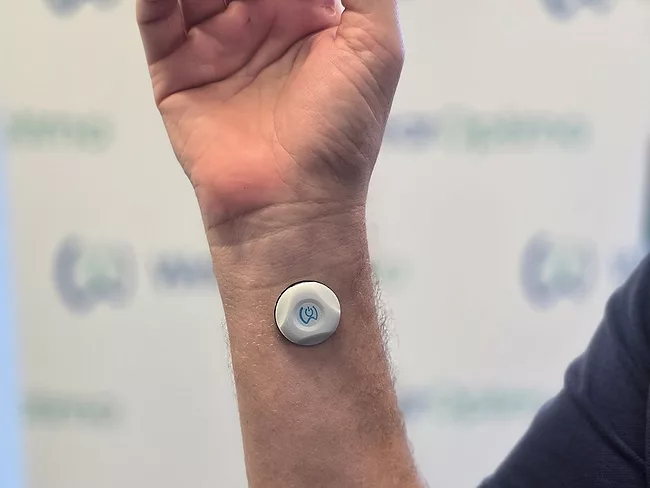
Health care technology company Wearoptimo Ltd. developed a next-generation microwearable sensor that accurately detects hydration levels, outperforming the needle-based gold standard.
The Heart Rhythm Society and American College of Cardiology published guidance for same-day discharge of cardiac ablation patients during Heart Rhythm 2025, the society’s annual meeting, which was held in San Diego April 26-27.
Sky Labs Inc. CEO and founder Jack Byunghwan Lee reported on plans to greatly expand the market for the company’s blood pressure monitor ring, including seeking regulatory approvals for the CART BP products in the U.S., Europe and Japan.
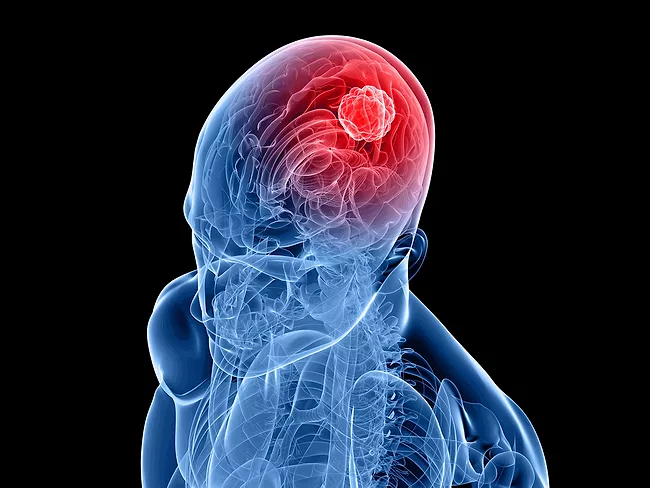
Telix Pharmaceuticals Ltd.’s glioblastoma theranostic, TLX-101, is showing promising overall survival in a phase II trial in recurrent high-grade glioma. The targeted radiation therapy, combined with external beam radiation therapy, demonstrated a median overall survival of 12.4 months from treatment initiation and 32.2 months from initial diagnosis. The results significantly outperform the 9.9-month median survival typically observed with radiation therapy alone in recurrent glioblastoma patients.
Johnson & Johnson’s Medtech division reported the completion of the first cases in the clinical trial for the Ottava robotic surgical system. The cases mark the first clinical experience with the Ottava system, which has been a long time in development.
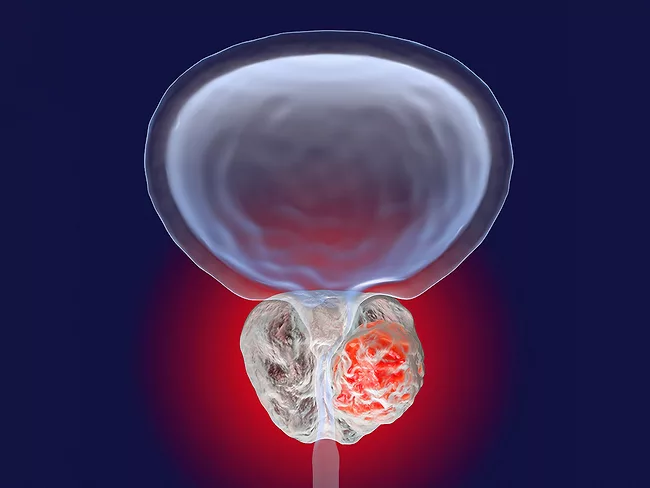
U.K. scientists developed a saliva-based test which better predicts the risk of prostate cancer than current prostate-specific antigen (PSA) blood tests by analyzing DNA to look for genetic variants linked to prostate cancer and calculating a polygenic risk score.
 RSS
RSS