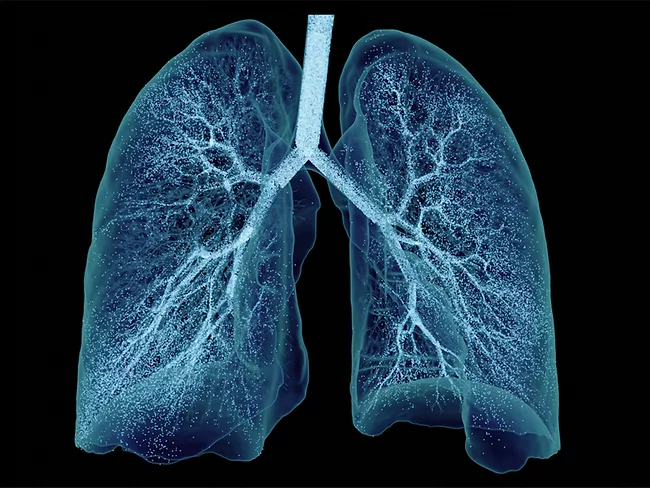
The ability of Ebenbuild GmbH’s digital twin technology to predict the deposition of inhaled drugs across the lungs has been validated in a study published in Nature Communications Medicine. The platform, which combines AI-driven image analysis and physics-based computational modeling, demonstrated strong agreement with in vivo imaging data across multiple inhalation scenarios.
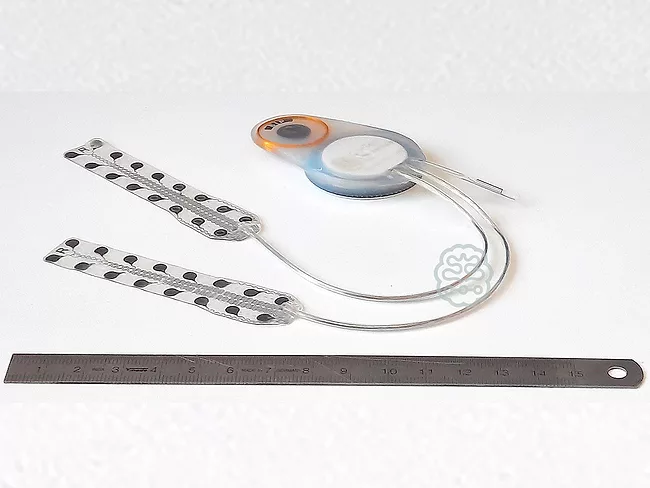
Cortec GmbH is preparing to implant its brain-computer interface (BCI) technology into a third stroke patient, with early clinical data showing that the device leads to significant improvement in hand and arm function. The company believes its Brain Interchange system could transform the lives of millions of patients.
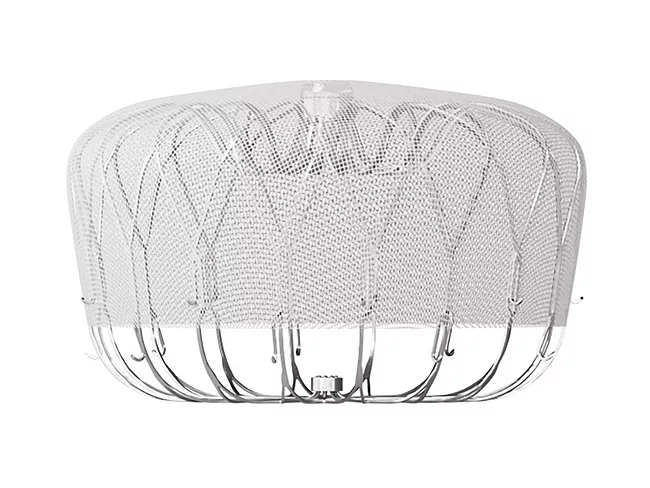
Boston Scientific Corp. revealed much-anticipated data from the Champion-AF trial which showed that its Watchman FLX device provides superior protection from bleeding compared to non-vitamin K antagonist oral anticoagulants (NOACs) in patients with atrial fibrillation (AF). The left atrial appendage closure device also proved noninferior to NOACs in reducing stroke, cardiovascular death, or systemic embolism.
United Therapeutics Corp. is eyeing a possible priority review in its anticipated supplemental NDA for Tyvaso (treprostinil) in idiopathic pulmonary fibrosis (IPF) after the second phase III trial hit its endpoints, even besting the impressive findings from the first phase III study reported last year, and positioning United for a substantial commercial launch in 2027.
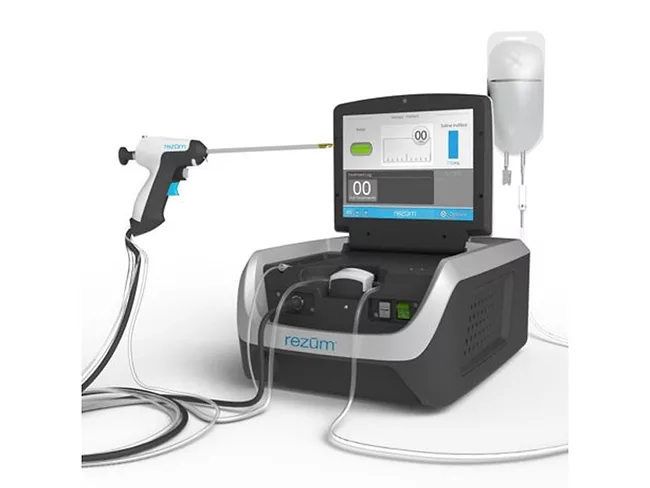
Boston Scientific Corp.’s Rezūm Water Vapor Therapy is superior at providing symptom relief for men with benign prostatic hyperplasia (BPH) than combination drug therapy, according to 12-month data from the Vapeur clinical trial. Patients treated with Rezūm, a minimally invasive therapy, also saw a better preservation of their sexual function.
Grail Inc.’s share price dropped more than 50% in premarket trading Feb. 20 after it reported late the day before that the NHS-Galleri trial did not meet its primary endpoint. The U.K study, done though the National Health Service with 142,000 individuals enrolled, evaluated the ability of Grail’s Galleri multicancer early detection test to look for cancer-specific methylation patterns in blood.
Boston Scientific Corp. recently reported new four-year data on its Farapulse pulsed field ablation platform, which demonstrated that patients with paroxysmal atrial fibrillation achieved better long-term success than those treated with thermal ablation. The data come as sales of the Farapulse system in the U.S. have begun to slow amid rising competition from other PFA technologies, particularly Medtronic plc’s Affera platform.
Sava Technologies Ltd. reported positive clinical data showing that its multi-molecule biosensor technology can reliably monitor glucose levels beneath the skin in real time.
An AI-based software developed by Screenpoint Medical BV could help detect breast cancers earlier and reduce the number of cancers that appear between routine screenings. In a trial of over 100,000 women, the use of the company’s Transpara Detection system resulted in a 12% reduction in the rate of interval cancers, compared to standard mammography screening. The results from the Mammography Screening with Artificial Intelligence study was published in the Lancet.
Researchers have developed an AI-based wearable device, called Revoice, to help individuals communicate effectively after a stroke. The system, worn around the neck, uses sensors to capture carotid pulse signals and subtle vibrations from throat muscles to reconstruct intended words and sentences in real time, potentially transforming the lives of stroke patients living with dysarthria.
 RSS
RSS