Rakuten Medical Inc. is advancing a pipeline of solid tumor therapeutics built on its Alluminox platform worldwide, having gained conditional early approval of ASP-1929, an Alluminox-derived photoimmunotherapy, in Japan in 2020.
Billiontoone Inc.’s Unity Fetal Risk screen identifies fetuses at high risk for cystic fibrosis (CF), a study published in Journal of Cystic Fibrosis found.
Two recent studies should provide comfort to medical device manufacturers who develop tools and devices for bariatric surgery. Patients who undergo bariatric surgery lost nearly three times more weight than those who received prescriptions for glucagon-like peptide-1 receptor agonists (GLP-1 RA) or GLP-1/gastric inhibitory polypeptide (GIP) receptor agonists in a real-world, retrospective study published in JAMA Surgery.
A late-breaking study presented at the PERT Consortium 2025 Pulmonary Embolism Scientific Symposium in San Diego showed marked clot-burden reduction with no device-related serious adverse events for Imperative Care Inc.’s Symphony thrombectomy system, though other companies have a head start. Circulation: Cardiovascular Interventions simultaneously published the study in an article titled “A Prospective Multicenter IDE Study of the Next-Generation Precision Aspiration Thrombectomy System for Intermediate-Risk Pulmonary Embolism: The SYMPHONY-PE Trial.”
The Danish-German Cardiogenic Shock trial found that men implanted with Johnson & Johnson’s Impella CP after experiencing a heart attack with cardiogenic shock gain 600 days of life, on average, compared to usual care at 10 years. The study demonstrated no benefit for women.
Daewoong Pharmaceutical Co. Ltd. and Daewoong Therapeutics Inc. reported that their self-developed microneedle patch loaded with semaglutide demonstrated 80% relative bioavailability compared to an injectable subcutaneous formulation of semaglutide in a pilot human pharmacokinetic study. That far exceeds rates seen in other patches or oral formulations.
Alterity Therapeutics Ltd. helped develop a new neuroimaging biomarker called the multiple system atrophy index (MSA-AI), which looks to be a more reliable biomarker for tracking disease progression of MSA. Developed using deep learning methods, the MSA-AI offers a superior, objective and quantifiable measure of brain atrophy in MSA patients.
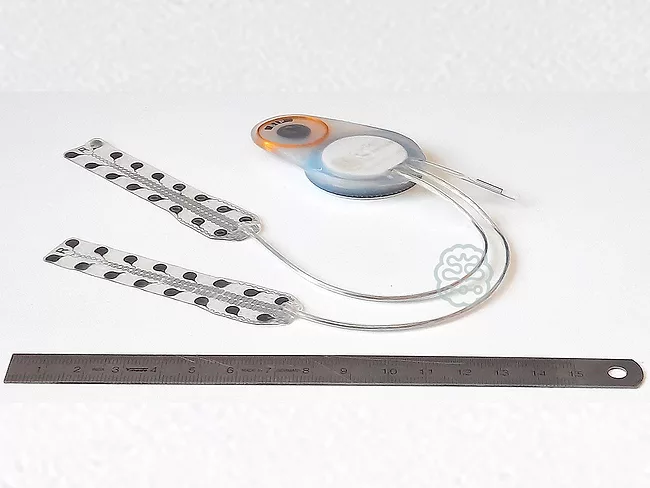
Cortec GmbH implanted its brain-computer interface (BCI) system, Brain Interchange, into a stroke patient in late July, joining a host of other companies conducting clinical trials of their BCI technologies to help people affected by neurological conditions recover lost function and improve their quality of life.
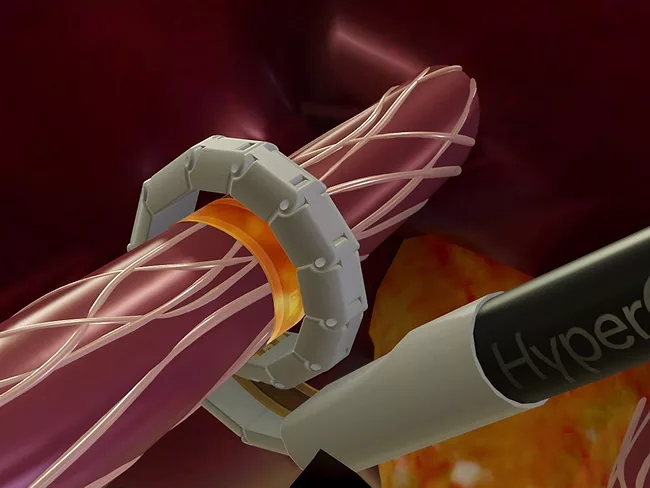
Deepqure Inc. gained clinical trial clearance from South Korea’s Ministry of Food and Drug Safety to test its Hyperqure renal denervation system for the treatment of atrial fibrillation.
 RSS
RSS