Pregnant women with type 1 diabetes who used a hybrid closed loop automated insulin delivery system averaged more than three additional hours per day in their recommended glucose range than those who managed their diabetes with insulin injections or non-automated pump systems, a study presented at the 85th Scientific Sessions of the American Association in Chicago demonstrated.
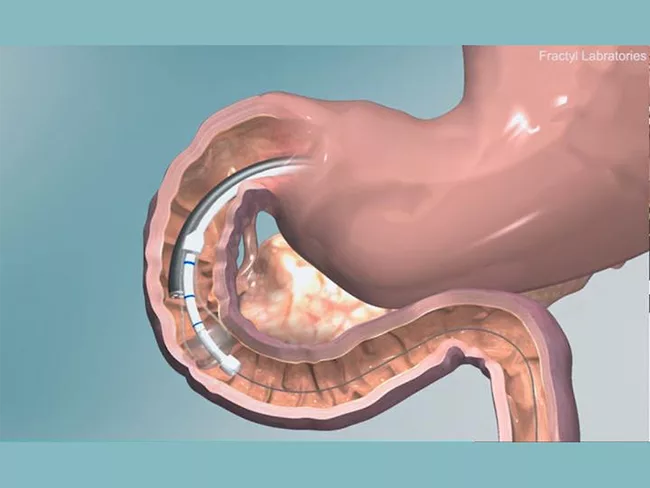
At the American Diabetes Association 85th Scientific Sessions in Chicago June 20-23, Fractyl Health Inc. presented results from two studies evaluating very different approaches to treating – and possibly curing – type 2 diabetes.
Fineheart SA will soon begin a first-in-human study of Flowmaker, its fully implantable left ventricular assist device, in France, after receiving authorization from the French National Agency for the Safety of Medicines and Health Products to initiate the trial.
Newel Health srl received CE mark certification under the European Medical Device Regulation for Amicomed, its digital therapeutic solution for hypertension management. The app, which was cleared as a class IIa medical device, provides clinical insights and behavioral tools to help individuals manage their blood pressure.
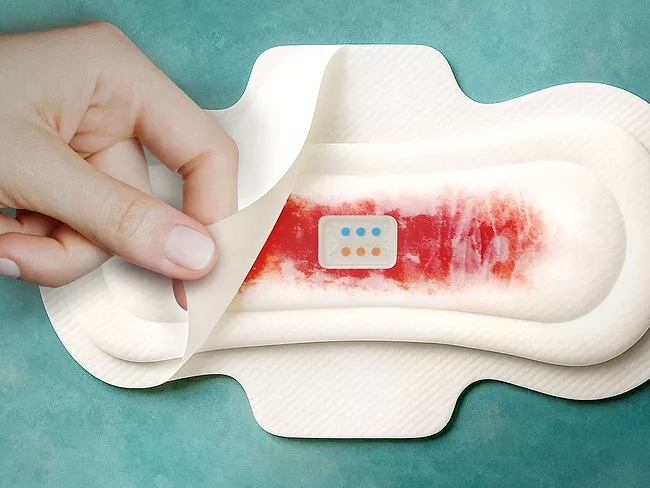
Researchers at ETH Zürich developed Menstruai, a device that detects in menstruation blood biomarkers associated with certain diseases. Menstruai uses a sensor built into a sanitary pad and changes color if certain biomarkers are present. The first of its kind technology has the potential to enable the early detection of diseases and transform women’s health care.
Paradromics Inc. became the latest company developing a brain-computer interface (BCI) system to implant its technology, Connexus, into a human. The device was safely implanted, it recorded electrical brain signals and was removed intact in less than 20 minutes. Paradromics hopes to begin clinical trials later this year.
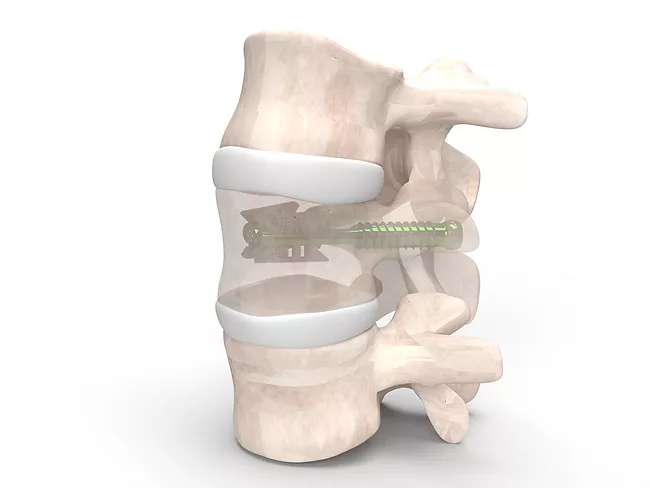
Amber Implants BV reported no device-related adverse events were seen in any of the patients fitted with its Vcfix spinal system, which treats vertebral compression fractures, at one-year. Data from the first-in-human trial of the device also showed patients experienced a significant reduction in their pain levels.
While GLP-1 receptor agonists continue to grab the headlines as a treatment option for obesity, another therapy, endoscopic sleeve gastroplasty (ESG), is seeing a steady rise in demand.
Despite the advancement of AI and machine learning technologies and their incorporation into cancer treatment and drug development, a lack of trust and understanding of these new approaches is impeding care and treatment.
Shares of Lyra Therapeutics Inc. soared more than 310% on data from its second phase III trial testing drug-device candidate LYR-210 in patients with chronic rhinosinusitis, with results from the Enlighten 2 study showing statistical significance on primary and key secondary endpoints and offering hopes of a regulatory pathway ahead.
 RSS
RSS