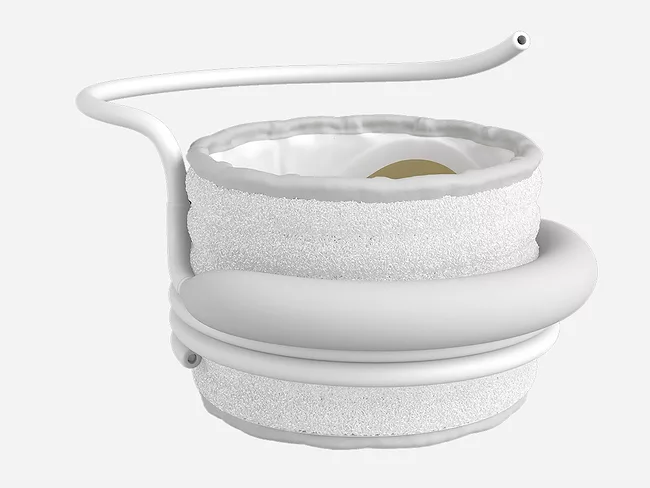
The prevalence of valvular heart disease in the U.S. is tough to peg with any great precision, but an extrapolation of data from a new study would put the number at roughly 10.6 million people, a staggering number when the clinical and fiscal implications are considered.
Australian scientists have developed a simpler, less invasive way to detect Alzheimer’s disease that could make it easier for patients to access emerging disease-modifying therapies. Researchers from Australia’s Commonwealth Scientific and Industrial Research Organisation have identified blood-based biomarker tests capable of confirming amyloid plaque in the brain with accuracy comparable to the current gold standards using positron emission tomography scans and lumbar punctures.
Stakeholders of all stripes have wondered whether transcatheter aortic valve replacement devices could match their surgically implanted cousins for device durability, but seven-year data from the Partner 3 trial seems to suggest that patients, physicians, payers and regulators need not fret as the topline numbers showed no statistically significant difference for outcomes such as mortality and morbidity.
Medtronic plc’s SPYRAL HTN-ON MED trial demonstrated significantly greater reduction in blood pressure with the Symplicity Spyral renal denervation procedure at three years than a sham procedure in a study presented as featured clinical research at the 2025 Transcatheter Cardiovascular Therapeutics conference in San Francisco.
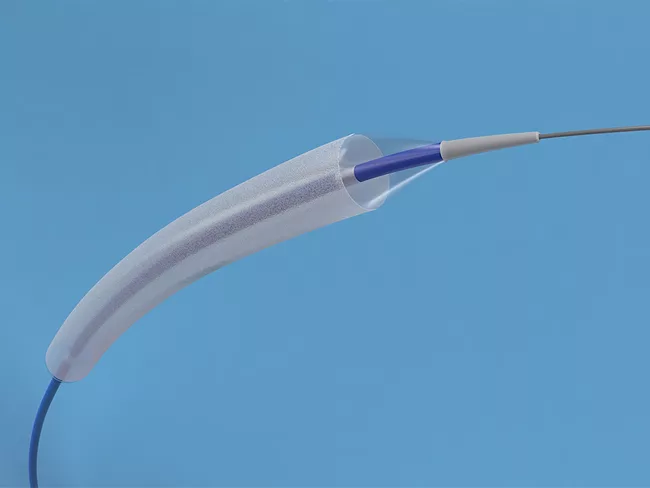
Cordis Corp. has quite a bit to crow about in this latter part of October 2025 with the unveiling of results of two studies that back the Miami Lakes, Fla.-based company’s Selution SLR drug-eluting balloon (DEB) for both de novo coronary artery stenosis and in-stent restenosis.
Penumbra Inc.’s 'resoundingly positive' results from its STORM-PE trial could see current guidelines for anticoagulant use in pulmonary embolism swept away in favor of mechanical thrombectomy. A deluge of favorable comments by experts and analysts followed the presentation during a late-breaking session at Transcatheter Cardiovascular Therapeutics, the annual scientific symposium of the Cardiovascular Research Foundation, which showed more than 50% improvement in treatment effect from Penumbra’s computer-assisted vacuum thrombectomy system plus anticoagulation compared to anticoagulation alone within two days with no increase in major adverse events.
In San Francisco, the first day of Transcatheter Cardiovascular Therapeutics 2025 annual meeting offered presentations on the future of the convergence of devices, drugs and AI. The takeaway from the session seems to be that while the future is bright, it will become the present only when payers can find an economic argument to pay for the advances formed by this convergence.
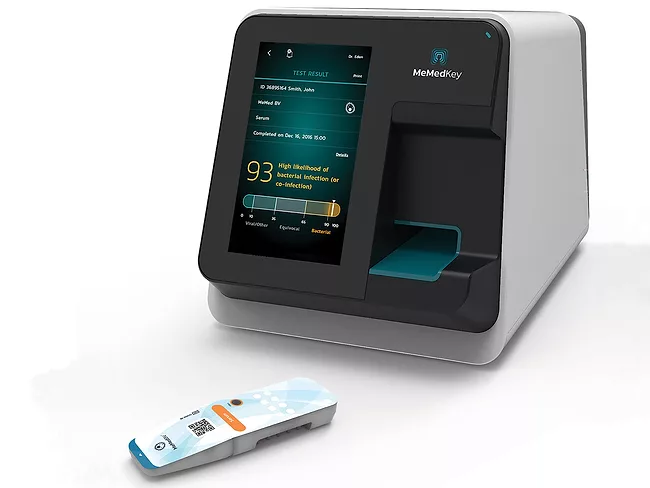
Trials are being conducted at three pediatric emergency departments in England of the Memed BV rapid blood test, designed to help health care providers distinguish between bacterial and viral infections. The test developed by Memed Diagnostics Ltd. can deliver results in as little as 15 minutes, speeding up the diagnosis of serious conditions such as sepsis or meningitis in children.
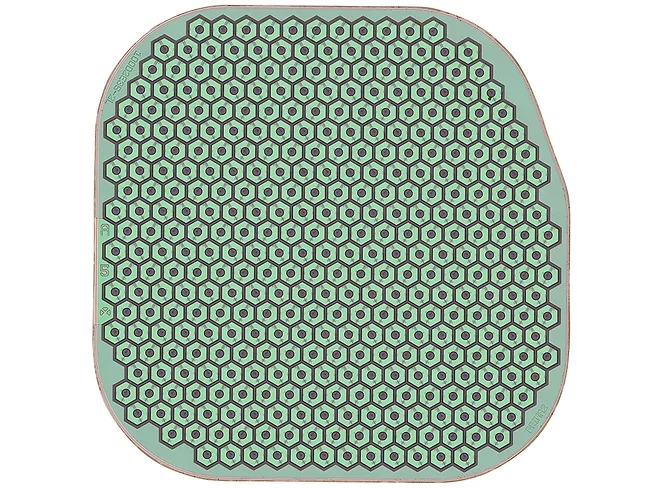
Interim results from the PRIMAVERA study published in the New England Journal of Medicine demonstrated that Science Corp.'s Prima retinal implant restored vision, enabling 80% of patients to read at 12 months. Participants had age-related macular degeneration-related geographic atrophy resulting in total loss of central vision.
While positive results from the investigator-led phase II CHOPIN trial at the 2025 European Society of Medical Oncology (ESMO) Annual Congress being held in Berlin failed to get investors dancing, they were no doubt music to management’s ears, particularly with Delcath Systems Inc.’s third quarter earnings report missing a beat.
 RSS
RSS