Archeon Medical SAS reported data from a study showing its real-time ventilation feedback device Eolife increased the survival rates of patients suffering out‑of‑hospital cardiac arrests. Furthermore, all the survivors in the Eolife group achieved full neurological recovery, three times the rate observed with conventional ventilation.
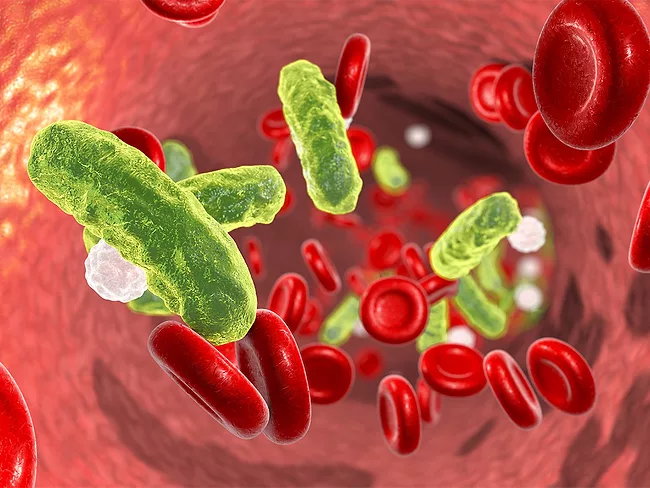
A rapid diagnostic test from Ocean Dx SAS delivered gold standard performance in a clinical evaluation that points to a potential shift in how sepsis is identified and treated. The assay, which detects more than 1,000 bacterial species directly from whole blood, returned 100% sensitivity and 100% specificity compared with reference blood cultures, with results reported in five hours. Further, the test tripled the number of infections identified.
Patients and their doctors are no fans of long-term use of direct oral anticoagulants (DOACs) after ablation treatment for atrial fibrillation, but three-year data from the OCEAN trial suggests that some patients may not need these DOACs after all, an outcome that qualifies as a crowd-pleaser for all but the makers of these pharmaceutical agents.
Shares of Mountain View, Calif.-based Heartflow Inc. have oscillated significantly over the past three months, but the results of a study of the company’s plaque staging system have breathed new life into the company’s shares, boosting them by 7% in Nov. 10 trading.
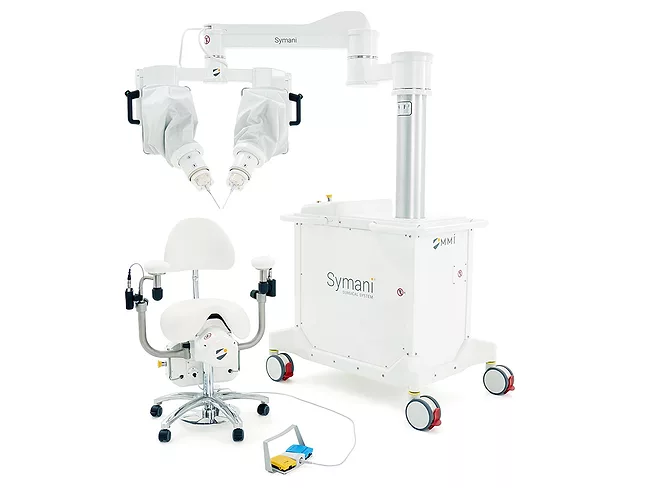
Medical Microinstruments Inc., reported the U.S. FDA approval of an investigational device exemption for a study using its Symani surgical system for treating Alzheimer’s disease, one of its earliest forays into the brain.
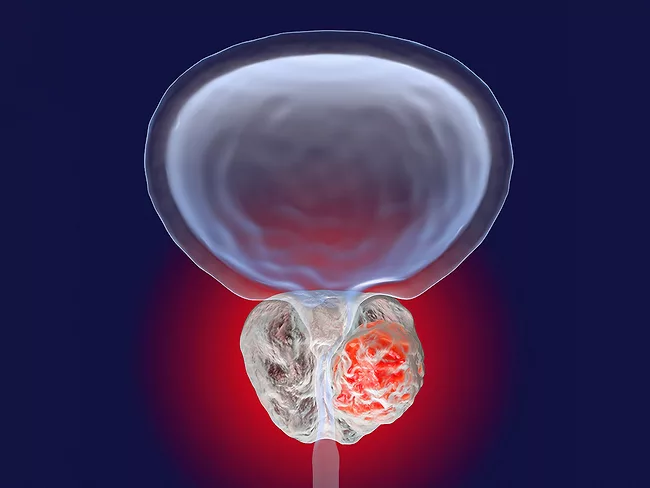
Aussie radiopharma company Advancell Co. Ltd. unveiled promising early clinical data that could redefine how advanced prostate cancer is treated by targeted alpha therapies in the radiopharmaceutical space.
Tulyp Medical Inc. has emerged from stealth mode with a pressure-driven perfusion system designed to improve vascular procedures. The company, born out of Sofinnova Partners' medical device accelerator, has submitted the technology to the U.S. FDA for 510(k) clearance following initial clinical results that demonstrated safety and functionality.
Results of the Shortcut study, presented last week at the Transcatheter Cardiovascular Therapeutics meeting in San Francisco, indicated that cutting balloon angioplasty matched intravascular lithotripsy in coronary artery preparation of calcification for stent placement.
Scientists in the U.K. are developing glucose-powered bioelectronics to advance the use and capabilities of implantable medical devices. A research team, led by the University of Bath, received £2.1 million (US$3.3 million) in funding from the government to develop miniature, lightweight and long-lasting glucose fuel cells to help address the invasiveness and limitations of current battery-powered implants.
Sparrow Acoustics Inc., dba Sparrow Bioacoustics Inc., closed a C$10 million (US$7.15 million) financing round to support continued adoption of its U.S. FDA-cleared Stethophone platform, which allows bioacoustics detection of structural and rhythmic heart anomalies directly through a smartphone. Sparrow is a Software as a Medical Device and the first medically cleared product that uses smartphones to capture and decipher cardiac sounds.
 RSS
RSS