The gut microbiota may be altered in people with depression as a result of treatment. These microorganisms reorganize differently in individuals who respond to therapy. In a multiomics study of antidepressant-naive patients presented at the 2026 World Congress of Neuropsychopharmacology (CINP), scientists from National Taiwan University found that patients who improved after antidepressant treatment maintained a more balanced and functional microbial ecosystem, recovered beneficial metabolites, and displayed blood-based biological signals that aligned with these changes.
If the 2026 American Society of Clinical Oncology (ASCO) annual meeting in Chicago from May 30 to June 3 demonstrated anything about the evolution of China’s biotechnology sector, it was that the industry’s center of gravity is shifting. While Chinese companies once relied heavily on PD-1 antibodies and licensing deals to gain international visibility, this year’s oral presentations showcased a broader innovation base.
Multiple updates on TROP2-directed antibody-drug conjugates (ADCs) for lung and breast cancers highlight both progress made and opportunities for improvement for the targeted class of cancer therapeutics.
Three decades of trial-and-error, and the resulting safety data, in the oligonucleotide-based therapeutic space have paved way for the present-day innovations and the promise of “programmable,” precision medicine for patients, speakers at Bio Korea 2026 said April 28.
Regulatory uncertainty that dominated the life science sector in 2025 is transitioning into an execution framework for biotechnology companies, provided companies can tailor regulatory strategies early, and across the entire development cycle.
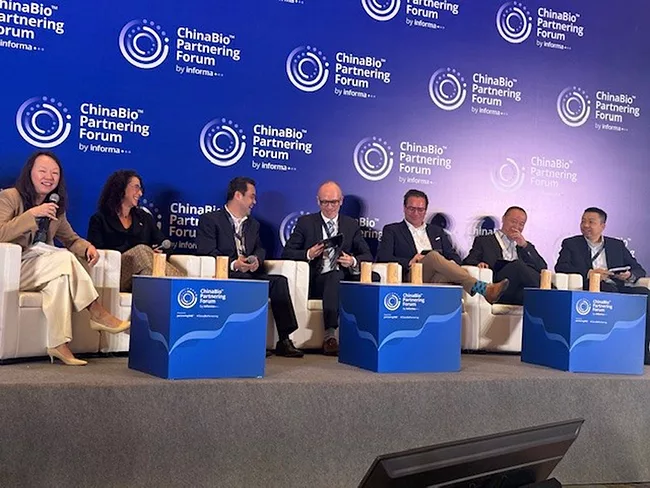
China’s investigator-initiated trial (IIT) system is increasingly being used to generate early human data in cell and gene therapies, and new changes that widen the pathway are expected to drive more multinational companies to conduct IITs in China, panelists said during the Chinabio Partnering Forum in Shanghai April 28-29.
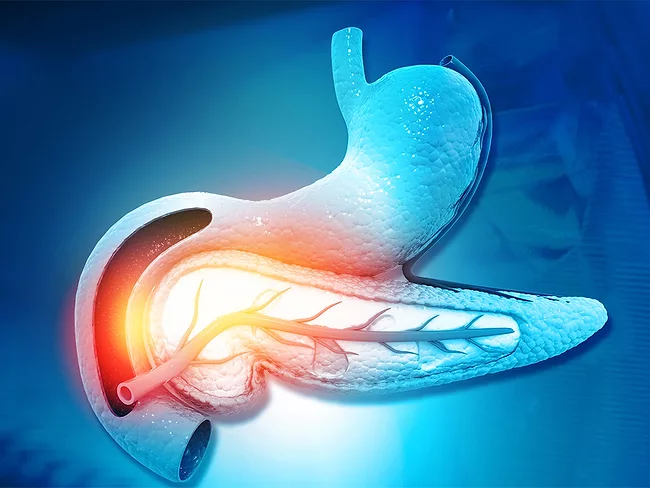
Akeso Pharmaceuticals Inc. has raised the bar for next-generation immuno-oncology, reporting more than 23 months median overall survival in pancreatic cancer with its PD-1/CTLA-4 bispecific antibody cadonilimab, as emerging competitors begin to post earlier signals across solid tumors at the American Association for Cancer Research annual meeting in San Diego April 17 to 22.
China’s biotech ecosystem has crossed an inflection point, and Chinese biotechs are gaining leverage in dealmaking, executives from multinational companies said during the Chinabio Partnering Forum in Shanghai April 28.
Xuanzhu Biopharmaceutical Co. Ltd. reported positive data from a local phase III study of dirozalkib (Xuan Fei Ning), an ALK inhibitor approved in China to treat patients with advanced non-small-cell lung cancer.
Shanghai Junshi Biosciences Co. Ltd reported early clinical signals across its next-generation immuno-oncology pipeline, including response rates of up to 71% in metastatic colorectal cancer and 45.5% in hepatocellular carcinoma, at the American Association for Cancer Research meeting in San Diego.
 RSS
RSS