Researchers from Chemicare Srl and the University of Piemonte Orientale have presented preclinical results regarding their (SOCE) negative regulator CIC-39. Researchers evaluated the dysregulation of SOCE in both ex vivo and in vivo models of Duchenne muscular dystrophy (DMD), as well as evaluated the therapeutic potential of CIC-39 in DMD.
The activation of mast cells in the lungs and skin is involved in diseases such as asthma and chronic spontaneous urticaria, where the KIT receptor tyrosine kinase is a key regulator of mast cell function.
Researchers from Sab Biotherapeutics Inc. presented data generated in the development and validation of a pharmacokinetic (PK) assay for SAB-142 and the evaluation of its toxicology and immunologic effects in a juvenile cynomolgus monkey model.
Keros Therapeutics Inc. has presented data regarding their activin receptor ligand trap, RKER-065, for the inhibition of the activin/myostatin signaling axis.
Atopic dermatitis (AD) is an inflammatory skin disease accompanied by pruritus, for which IL-13 and IL-31 are clinically validated targets. Earendil Labs Inc. has developed a bispecific antibody targeting both IL-13 and IL-31, HX-16108, with an extended half-life.
Friedreich’s ataxia (FA) is an inherited neurodegenerative disorder caused by GAA repeat expansions in the FXN gene, which produces a mitochondrial protein vital for iron-sulfur cluster assembly and energy metabolism. Researchers at Solid Biosciences Inc. presented preclinical data supporting the first-in-human trial on SGT-212 gene therapy in FA models.
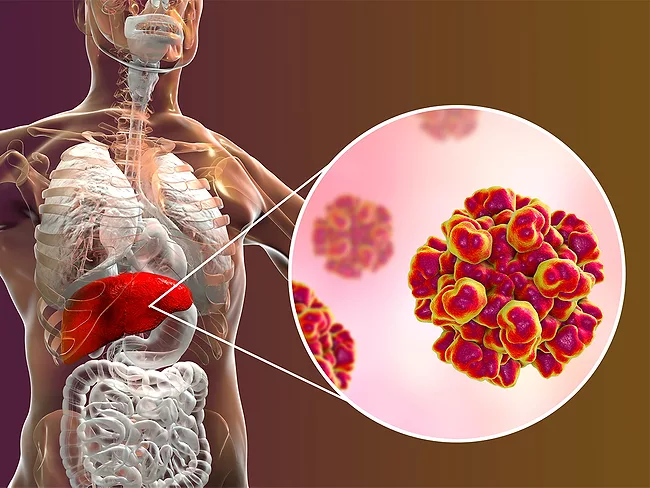
Atea Pharmaceuticals Inc. recently presented preclinical data on two of its compounds, AT-2490 and AT-587, which have shown promising antiviral potential for treating hepatitis E virus infection.
The signaling axis orchestrated by OX40L-OX40 is a T-cell costimulatory pathway implicated in multiple autoimmune diseases, such as atopic dermatitis (AD). Antibodies targeting this pathway have proven useful at treating AD in the clinical setting. Earendil Labs recently presented data regarding HXN-1021, an anti-OX40L antibody with potent activity and extended half-life, in vivo.
In Duchenne muscular dystrophy (DMD), deficiency of dystrophin leads to cardiomyocyte membrane instability, abnormal calcium influx, and progressive fibrotic remodeling of cardiac tissue. Histone deacetylase 6 (HDAC6) contributes to disease progression by regulating cytoskeletal dynamics and proteostasis in dystrophic muscle cells. Consequently, inhibition of HDAC6 represents a potential therapeutic strategy for addressing both the skeletal and cardiac manifestations of DMD.
In developed countries, up to 20% of the population suffers from pollen allergies to birch and related trees. Mabylon AG has developed an anti-tree pollen antibody therapeutic, MY-010, that targets several inducers of spring hay fever, such as birch, alder and hazel, among others.
 RSS
RSS