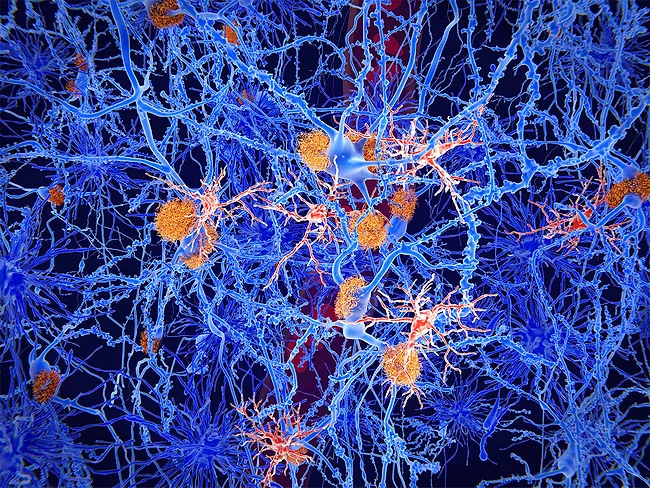
Microglia are the brain’s innate immune cells that maintain brain health and play a key role in Alzheimer's disease (AD). Triggering receptor expressed on myeloid cells 2 (TREM2) acts as a regulator of microglial cells and restores neuronal functioning.
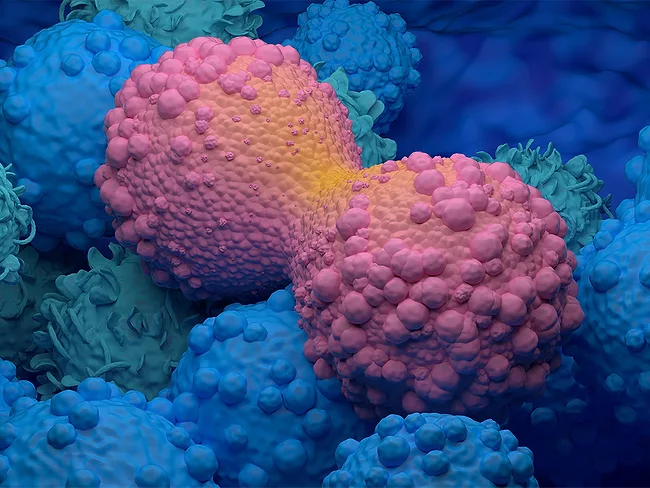
Researchers from Ovid Therapeutics Inc. presented preclinical efficacy data on the combination of OV-329, a small-molecule inhibitor of the mitochondrial GABA aminotransferase (GABA-AT) enzyme, with docetaxel in a murine intracardiac model of triple-negative breast cancer (TNBC).
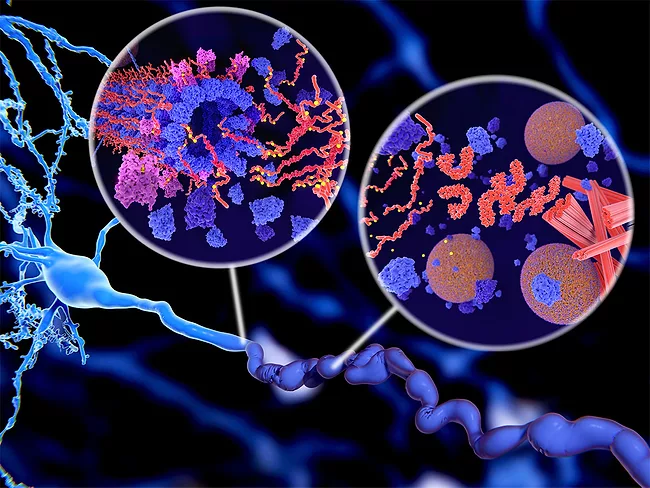
Phosphorylation of the protein Tau is a key post-translational feature in tauopathies like Alzheimer’s disease (AD), which leads to microtubule dysfunction and Tau accumulation. Recent findings have suggested the blockade of the adenosine A2A receptor as an approach that improves the outcome in amyloid and Tau models.
Subtyping is what made precision medicine in cancer a reality. And for successful drug discovery in all its stages, finding subtypes in Alzheimer’s disease is all but imperative.
Abnormal tau aggregation is a hallmark of Alzheimer’s disease (AD) and a major contributor to neurodegeneration, synaptic dysfunction, and progressive functional decline. Antibodies against extracellular tau represent a potential therapeutic approach aimed at reducing pathological spread and delaying the clinical progression of AD. Researchers from Merck & Co., Inc. presented the preclinical development of MK-2214, a murine IgG2a monoclonal antibody that selectively targets the pathological phospho-epitope pSer413 of the tau protein.
Sialic acid-binding immunoglobulin-like lectin 10 (SIGLEC10) is a microglia-specific surface receptor in the central nervous system, whose expression has been increasingly implicated in regulating microglial responses and identified as a genetic driver of amyloid plaque formation during Alzheimer’s disease (AD) progression.
Subtyping is what made precision medicine in cancer a reality. And for successful drug discovery in all its stages, finding subtypes in Alzheimer’s disease is all but imperative. Prior to the approval of the modestly effective Leqembi
(lecanemab, Biogen Inc./Eisai Co. Ltd.), Kisunla (donanemab, Eli Lilly and Co.), and the since-withdrawn Aduhelm (aducanumab, Biogen Inc./Eisai Co. Ltd.), more than a dozen failed phase III clinical trials were all that amyloid-targeting drugs had to show for themselves for decades of effort.
At the Alzheimer's Association International Conference (AAIC) 2025, researchers from Acadia Pharmaceuticals Inc. have presented novel results on the assessment of the pharmacologic and pharmacokinetic (PK) properties and nonclinical safety of ACP-204.
Subtyping is what made precision medicine in cancer a reality. And for successful drug discovery in all its stages, finding subtypes in Alzheimer’s disease is all but imperative. Prior to the approval of the modestly effective Lequembi (lecanemab, Biogen Inc./Eisai Co. Ltd.) Kisunla (donanemab, Eli Lilly and Co.), and the since-withdrawn Aduhelm (aducanumab, Biogen Inc./Eisai Co. Ltd.), more than a dozen failed phase III clinical trials were all that amyloid-targeting drugs had to show for themselves for decades of effort.
 RSS
RSS