At first blush, the brain’s extracellular matrix (ECM) seems like the opposite of synaptic plasticity. Plasticity is the ability to change; the ECM is stable, to the point that it is often described as a scaffold – something to lend stability. “ECM proteins have some of the longest lifetimes of any protein in the brain,” Anna Molofsky told her audience at the XVII Meeting on Glial Cells in Health and Disease, which is being held in Marseille this week.
At first blush, the brain’s extracellular matrix (ECM) seems like the opposite of synaptic plasticity. Plasticity is the ability to change; the ECM is stable, to the point that it is often described as a scaffold – something to lend stability. “ECM proteins have some of the longest lifetimes of any protein in the brain,” Anna Molofsky told her audience at the XVII Meeting on Glial Cells in Health and Disease, which is being held in Marseille this week.
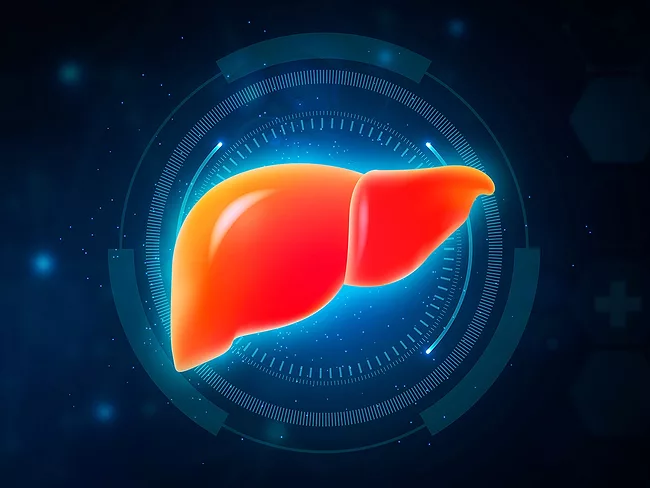
Metabolic dysfunction-associated steatohepatitis (MASH) is a progressive liver disease that has limited available therapies. Shanghai Minwei Biotechnology Co. Ltd. has developed and presented data for MWN-105, a GLP-1/GIP/FGF21 triple agonist aimed at controlling metabolic dysfunction and fibrosis during MASH.
Neuroinflammation is a common hallmark in several neurodegenerative disorders, including Alzheimer’s and Parkinson’s diseases, among others, where TREM2 (triggering receptor expressed on myeloid cells 2) is a crucial member involved in this biological process and is mainly expressed in microglial cells, being thus an attractive target for diagnostic imaging.
Interferon regulatory factor 5 (IRF5) is a transcription factor activated downstream of Toll-like receptors (TLRs) 7, 8 and 9, and is predominantly expressed in dendritic cells, B cells, monocytes and macrophages. Once considered an undruggable target, IRF5 is now recognized as a key regulator of innate immunity, driving the production of type I interferons, pro-inflammatory cytokines and autoantibodies.
A team of researchers at the University of British Columbia investigated the potential of radiopharmaceutical therapy based on Terbium-161 (161Tb) both in vitro and in vivo using a novel tracer, [161Tb]Tb-BL34L20S, which uses the C-X-C chemokine receptor type 4 (CXCR4)-targeting peptide BL34L20S labeled to 161Tb.
Cellular atlases and omics studies, such as genomics, transcriptomics and proteomics, have become key tools for identifying the diversity of all the elements that make up the cardiovascular system. These approaches help scientists understand how cells, genes and molecules function and interact in both healthy and diseased conditions, revealing critical points where targeted interventions could not only relieve symptoms but potentially reverse the underlying pathology at its origin.
One of the functions of tumor-associated macrophages (TAMS) is to protect the tumor against the immune system, inhibiting T-cell engagement and reducing the efficacy of checkpoint inhibitors. Polyamidoamine hydroxyl dendrimers (HDs) target TAM without the need of a targeting ligand and are retained by TAMs for up to 1 month allowing radiation to deposit in the tumor.
Carbonic anhydrase IX (CAIX, CA9) is a membrane-associated isoform of the α-carbonic anhydrase enzyme family, involved in pH regulation and the acidification of the tumor microenvironment (TME) in solid tumors. It is widely recognized as a marker of tumor hypoxia and serves as a prognostic indicator in multiple human cancers.
The OX40/OX40L costimulatory pathway is crucial for effective T-cell activation and is inducibly expressed in response to immunological stimulation. Targeting OX40L has demonstrated safety and efficacy in preclinical studies using nonhuman primate models of kidney and heart transplantation.
 RSS
RSS