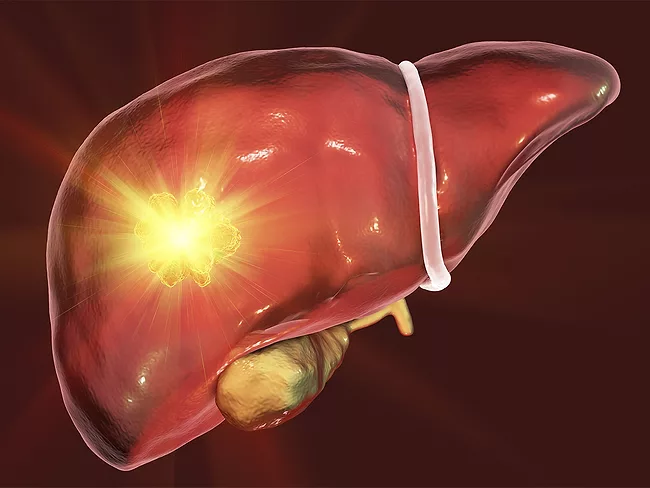
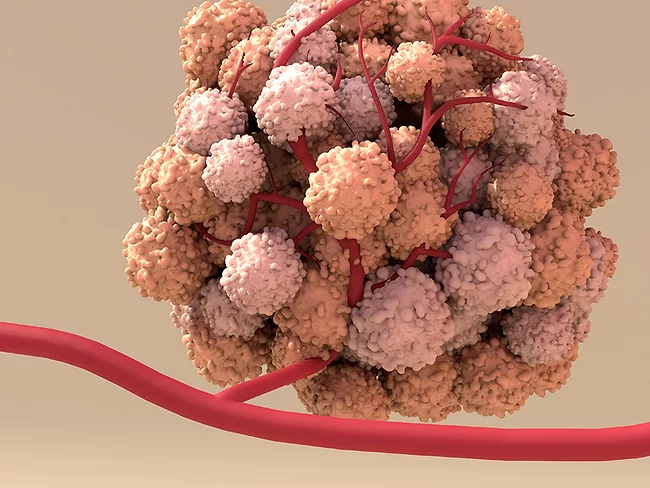
Hepatoblastoma is the most common pediatric liver cancer and has limited therapeutic options, with platin-based therapy showing severe side effects. WNTinib is a kinase inhibitor with specificity for β-catenin (CTNNB1)-mutated hepatocellular carcinoma (HCC) and is a therapeutic approach that shows promise for treating hepatoblastoma.
Methionine adenosyltransferase 2A (MAT2A), the rate-limiting enzyme in the methionine cycle, catalyzes the formation of S-adenosylmethionine (SAM) from methionine and adenosine triphosphate (ATP).
The histone acetyltransferase KAT2A, and its paralog KAT2B have been identified as key drivers of tumor cell plasticity in small-cell lung cancer (SCLC). Researchers from Auron Therapeutics Inc. aimed to evaluate the novel KAT2A/B heterobifunctional protein degrader, AUTX-703, in models of SCLC.
Moma Therapeutics Inc. has reported preclinical results on MOMA-313, a potent and selective DNA polymerase θ (POLθ) inhibitor under development for the treatment of homologous recombinant (HR)-deficient cancers.
The development of covalent KRAS G12C inhibitors has represented a significant advance for non-small-cell lung cancer treatment, but other mutations such as KRAS G13C/D still lack effective treatments.
Researchers from Zymeworks Inc. presented preclinical data for the novel glypican-3 (GPC3)-targeting antibody-drug conjugate (ADC), ZW-251, being developed as an anticancer agent.
Researchers from Immunome Inc. and Zentalis Pharmaceuticals Inc. presented preclinical data for IM-1021, a novel tyrosine kinase-like orphan receptor 1 (ROR1)-targeted antibody-drug conjugate with a new topoisomerase 1 (TOP1) linker payload, being developed for the treatment of solid tumors and B-cell malignancies.
AKT1 E17K is the most frequent gain of function mutation of the AKT1 gene. This mutation promotes pathologic localization of AKT1 to the plasma membrane and has been shown to induce leukemia in mice. Current options for AKT1 E17K-driven tumors are limited.
 RSS
RSS