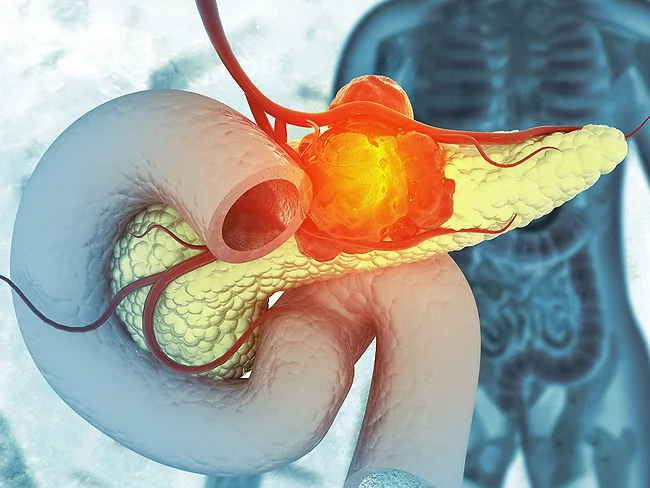
Pancreatic cancer is a challenge due to its poor prognosis and high mortality rate, highlighting the need for new therapeutic approaches. Previous findings have shown that AUS-001 inhibits β-tubulin polymerization through its unique binding to the tubulin’s colchicine site.
At the recent ASCO Gastrointestinal Cancers symposium, Cyclacel Ltd. presented preclinical data for the Polo-like kinase 1 (PLK1) inhibitor plogosertib from assessment in models of colorectal cancer.
Alongside the release of abstracts related to the American Society of Hematology meeting next month in San Diego, and as part of the firm’s third-quarter update, Beam Therapeutics Inc. disclosed that one patient died in the phase I/II trial testing BEAM-101 in sickle cell disease (SCD).
Rgenta Therapeutics Inc. has presented their work on the discovery and development of RGT-61159, a potential first-in-class oral inhibitor of the oncogenic transcription factor c-MYB.
Calidi Biotherapeutics Inc. has conducted studies in animals to determine the safety and efficacy of oncolytic virotherapy (OV) with CLD-201 (Supernova-1) to treat solid tumors.
Chengdu Easton Biopharmaceuticals Co. Ltd. recently presented findings that highlight the potential anticancer agent D0112-005 as a potent and selective poly (ADP-ribose) polymerase 1 (PARP-1) inhibitor with excellent antitumor efficacy and a good safety profile in vivo.
Odimma Therapeutics SAS has developed ODI-2001, a new biological from the combination of neoantigen-expressing DNA vector, an anti-CTLA-4 antibody and an attenuated poxvirus with the aim of increasing the immune response against tumors.
Trophoblast cell-surface antigen 2 (TROP2) antibody-drug conjugates became a topic of talk during the recent American Society of Clinical Oncology meeting in Chicago.
KRAS is the most commonly mutated oncogene in solid tumors. Mutations are present in about 30% of cases overall, more than 95% of pancreatic cancer cases, and about 40% of colon cancer cases.
 RSS
RSS