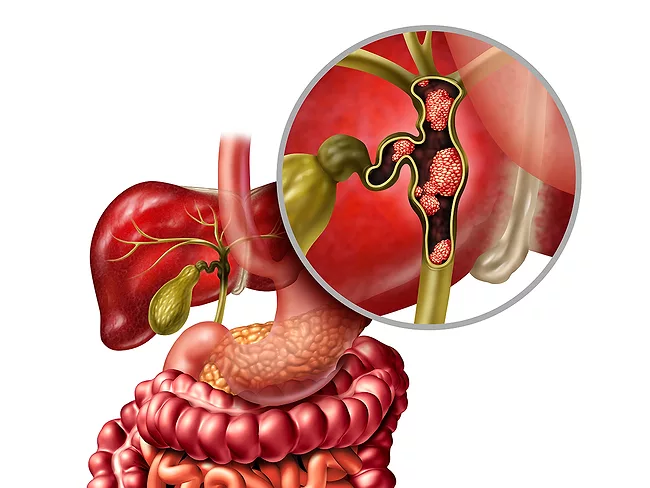
Researchers from Medizinische Hochschule Hannover and collaborators thus aimed to elucidate signaling adaptations following MAPK pathway inhibition in BRAFV 600E mutant cholangiocarcinoma (CCA) by generating a BRAF V600E-driven model of CCA.
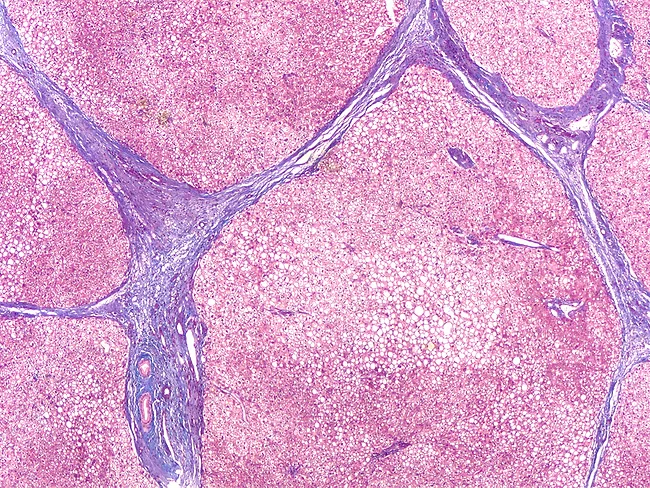
Researchers from Beijing University of Chinese Medicine described the role of TRIM54 in cirrhosis progression using two independent animal models of chronic liver injury – a DEN-induced rat model and a CCl4-induced mouse model of liver cirrhosis.
Researchers from Rectify Pharmaceuticals Inc. presented preclinical efficacy data on RTY-406, a novel dual-acting ABCB4/MDR3 and ABCB11/BSEP modulator, in animal models of primary sclerosing cholangitis.
17-β-Hydroxysteroid dehydrogenase 13 (HSD17B13) and lipid transferase CIDEB are known to contribute to metabolic dysfunction-associated steatohepatitis (MASH) progression, where HSD17B13 exacerbates hepatic lipid metabolism, while CIDEB mainly mediates lipid droplet dynamics and storage. In this context, Frontier Biotechnologies Inc. has presented data on FB-7033, a bispecific siRNA approach targeting both HSD17B13 and CIDEB for the management of MASH.
Transforming growth factor-β-activated kinase 1 (TAK1) is a crucial central signaling molecule of hepatic cell death, inflammation and fibrogenesis through NF-κB and MAPK in metabolic dysfunction-associated steatotic liver disease (MASLD). Its pharmacological inhibition using the TAK1 inhibitor HS-276 was tested in vivo in a murine model of diet-induced MASLD.
There is a growing consensus that alcohol-related liver disease (ALD) should be considered a metabolic disorder under the influence of the gut-liver axis. Metabolome data have highlighted fatty acid-activated G protein-coupled receptors (GPCRs) as the main affected pathways, where the relationship of G-protein-coupled receptor 119 (GPR119) with ALD remains unexplored.
Adipose triglyceride lipase (ATGL), a central mediator of triglyceride hydrolysis and fatty acid mobilization, modulates hepatic lipid homeostasis and metabolic signaling pathways that contribute to the activation of fibrogenic responses.
Researchers from Ospedale San Raffaele presented the preclinical characterization of SR-1891, a long-acting capsid assembly modulator (CAM) in models of chronic hepatitis B. In Hepa D38 cells, the compound exhibited EC50 and EC90 values of 0.2 and 0.8 nM, respectively, without any detectable cytotoxicity.
Alterations in PNPLA3, particularly the I148M variant, impair lipid metabolism in hepatocytes, leading to lipid accumulation and driving progression from steatosis to fibrosis and cirrhosis. Targeting this genetic driver may offer a strategy to reduce steatosis and limit disease progression.
Metabolic dysfunction-associated steatohepatitis (MASH) is characterized by lipid accumulation in the liver and inflammation. Sterol O-acyltransferase 2 (SOAT2) is a key enzyme in intestinal absorption and hepatic secretion of cholesterol. PRD Therapeutics Inc. has developed PRD-001, a selective SOAT2 inhibitor currently in phase I trials for MASH.
 RSS
RSS