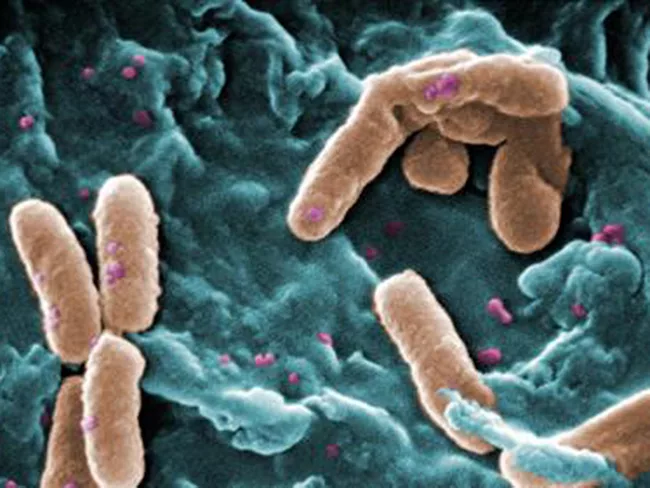
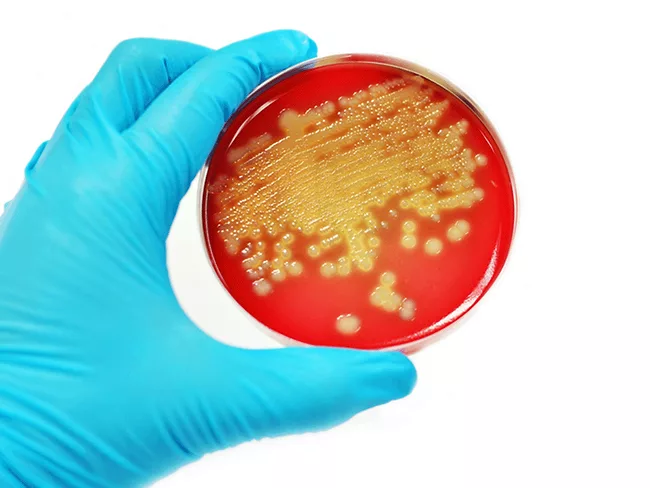
Klebsiella pneumoniae and Acinetobacter baumannii are both major contributors to the global antimicrobial resistance crisis, causing rapidly progressive and often severe infections. Researchers from Vaxdyn SL and collaborators presented efficacy data for K-Vax, an inactivated, LPS-null whole-cell A. baumannii-based vaccine engineered to display conserved K. pneumoniae outer-membrane proteins on the bacterial cell surface.
At the recent European Society of Clinical Microbiology and Infectious Diseases (ESCMID) meeting in Vienna, Longhorn Vaccines & Diagnostics LLC presented data on the neutralizing antibody responses of LHNVD-202, an unconjugated composite peptide vaccine.
New treatment options for treating Mycobaterium abscessus infections are needed. Previous findings had identified the leucyl-tRNA synthetase inhibitor MRX-6038 to have significant activity against M. abscessus. The aim of this new study was to focus on the activity of MRX-5, the oral prodrug of MRX-6038, both in vivo and in vitro.
There is a compelling need to produce new antibiotics that hamper severe opportunistic infections, especially in immunocompromised individuals, such as those caused by gram-negative Pseudomonas aeruginosa.
Amicetin-inspired inhibitors of the P-site (AIIPS), also known as CZ-02s, are a series of molecules that target and inhibit a unique site of the bacterial ribosome.
There is still a need for developing more potent and broadly neutralizing vaccines against SARS-CoV-2 with improved durability. At the recent ESCMID meeting, Astrazeneca plc presented a new mRNA vaccine against the SARS-CoV-2 virus that encodes for self-assembling virus-like particle (VLP) antigens.
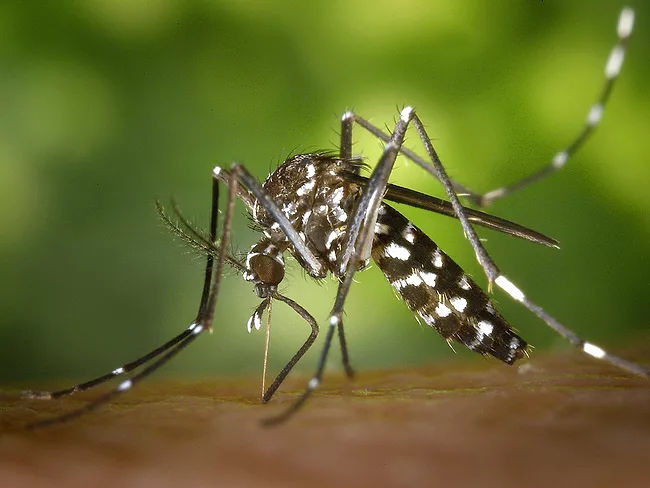
Researchers from Tan Tock Seng Hospital presented data from a study investigating the utility of soluble suppressor of tumorigenicity-2 (sST2) as early prognostic biomarker of severe dengue.
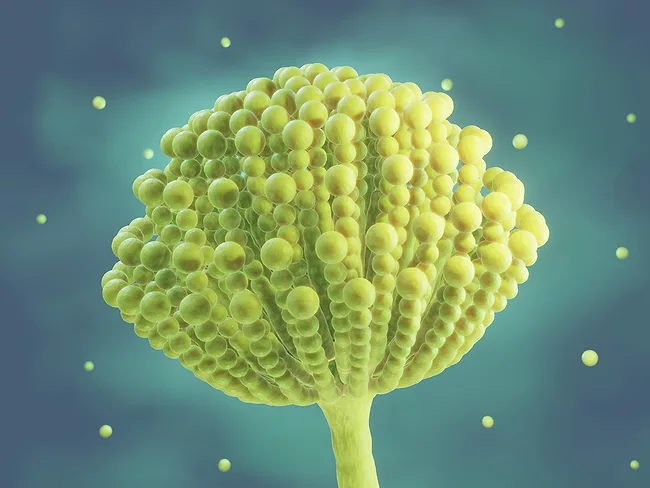
Current approved antifungal therapies are limited by their associated adverse events. SCY-247 is a new triterpenoid antifungal for intravenous or oral administration that inhibits the glucan synthase enzyme, which is a key member for the fungal cell wall.
Severe fever with thrombocytopenia syndrome (SFTS) is a tick-borne disease that results from an infection with the SFTS virus, with a case fatality rate of 6.1% to 21.8%. Identifying critically ill patients at the early stages is crucial for clinical management.

 RSS
RSS