Arriving at MEI Pharma Inc.’s deal with Kyowa Kirin Co. Ltd., focused on phase II-stage ME-401 for B-cell malignancies, was a competitive process that brought large and midsized pharma bidders to the table, MEI Chief Operating Officer David Urso said, but the terms proposed by suitors tended to “look a lot the same.”
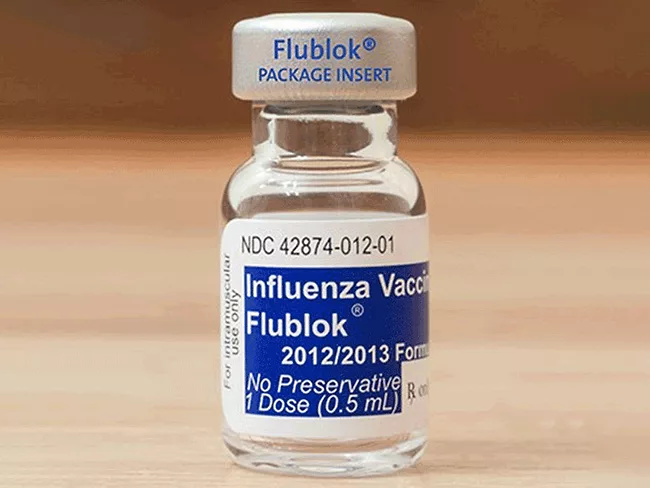
DUBLIN – Sanofi SA and Glaxosmithkline plc are lending their considerable weight to the urgent global effort to develop a vaccine for COVID-19 by teaming up to develop an adjuvanted recombinant subunit vaccine that will employ technologies from each company. Paris-based Sanofi is contributing its recombinant spike protein antigen and its baculovirus expression system, which is also the basis of its U.S.-licensed influenza vaccine Flublok. London-based GSK is contributing its pandemic adjuvant technology.
LONDON – These are hardly times for a fanfare, but this month saw the unveiling of a new name in bioprocessing, following the formal closing of the $21.4 billion sale of GE Healthcare’s Life Sciences to Danaher Corp. The business, now renamed Cytiva, has turnover of $3.3 billion, nearly 7,000 employees and operations in 40 countries. More than 75% of FDA-approved biologic drugs use its products in their manufacture.
A $2 billion deal with Blackstone Group Inc. is setting Alnylam Pharmaceuticals Inc. up so that it doesn’t have worry about future equity financing and instead can concentrate on RNAi R&D.
HONG KONG – China and U.S.-based Zai Lab Ltd. has signed on to develop and commercialize REGN-1979, a CD20xCD3 bispecific antibody from Regeneron Pharmaceuticals Inc., of Tarrytown, N.Y.
Arrakis Therapeutics Inc.’s CEO, Michael Gilman, knew his 3-year-old company had a partnering tiger by the tail just by the amount of interest from companies who wanted to partner. He sat back and waited until the right offer came along and went with Roche Holding AG. The result is a massive collaboration and license agreement that could stretch into the billions of dollars. “We very deliberately stayed out of partnering discussions for the first couple years,” Gilman told BioWorld. “It took a while to figure out how to do this. We wanted to understand what we had before selling off parts of it.”
With nearly a quarter of the activity announced in March focused on COVID-19, the first quarter of 2020 appears to be on target to beat the deal and M&A values of two of the last three years, although it remains behind 2019. Despite the uncertainty of the coronavirus pandemic, let alone the upcoming U.S. presidential election, the industry has fared relatively well in terms of dealmaking so far this year, even as the markets have plummeted and partnering events have moved to a virtual format. In fact, deals should logically increase as the pandemic takes its toll on the economy, according to a biopharma executive who responded to a recent J.P. Morgan survey.
Second Genome Inc. (SG) CEO Karim Dabbagh said his firm’s deal with Gilead Sciences Inc. is “pretty significant, given some of the other deals in the microbiome and inflammatory bowel disease [IBD] space,” telling BioWorld the potential $1.5 billion-plus agreement involves “biomarkers in multiple disease areas on five of Gilead’s portfolio programs in inflammation, fibrosis and oncology. Associated with that is a drug discovery collaboration around five targets in the context of IBD.”
Fate Therapeutics Inc. inked a multiyear, global collaboration worth up to $3 billion with Janssen Biotech Inc., which calls for the latter to contribute antigen binding domains for up to four tumor-associated targets.
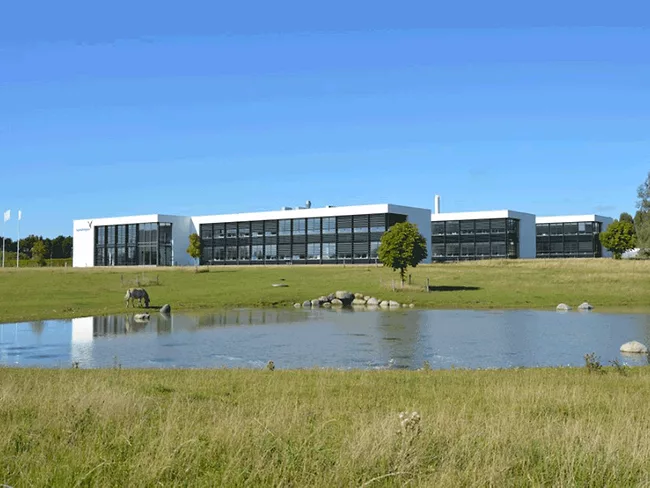
DUBLIN – Les Laboratoires Servier SAS has thrown its partner Symphogen A/S a lifeline by agreeing to a takeover deal in which the Danish firm will become Servier’s center of excellence for antibody development.
 RSS
RSS