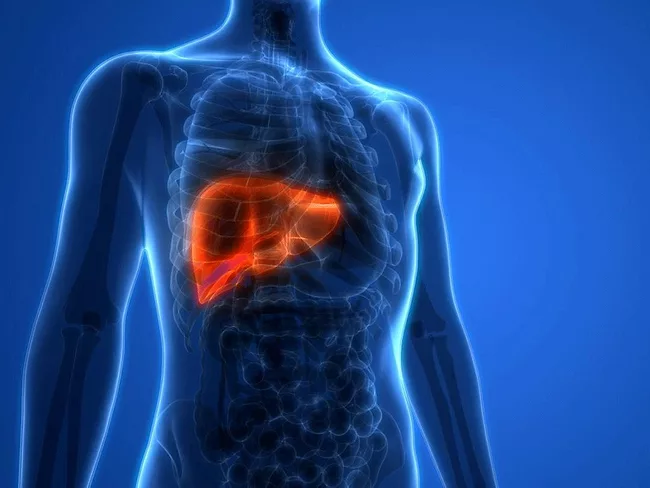
Genfit SA has established a research collaboration with Everzom SAS to expand its acute-on-chronic liver failure (ACLF) research via exosome-based regenerative technology. The partners plan to conduct exploratory studies to assess efficacy of Everzom’s investigational drug candidate Eviv in ACLF.
Manifold Biotechnologies Inc. has signed a strategic research collaboration and license agreement with F. Hoffmann-La Roche Ltd. to develop next-generation brain shuttles for neurological diseases. The collaboration will apply Manifold’s proprietary tissue-targeting shuttle portfolio and mDesign AI-driven in vivo discovery engine.
Ventus Therapeutics Inc. has entered into a multi-year collaboration with Genentech Inc., a member of the Roche Group, to discover and optimize novel small-molecule candidates for challenging targets in major disease areas using Ventus’ Resolve drug discovery platform.
H. Lundbeck A/S and Contera Pharma A/S have entered into a strategic research collaboration designed to accelerate the discovery and development of innovative oligonucleotide-based medicines for serious neurological conditions with unmet needs.
Nabla Bio Inc. has established a new multiyear research collaboration with Takeda Pharmaceutical Co. Ltd. to advance AI-driven design of protein therapeutics.
Glycovax Pharma Inc. has entered into a strategic collaboration with the National Research Council of Canada (NRC) and the Université de Montréal to develop a glycoconjugate vaccine against Pseudomonas aeruginosa infections, with expected utility for patients with cystic fibrosis and hospitalized individuals at risk of nosocomial infections.
Biolinerx Ltd. and Hemispherian AS have established a joint venture (JV) to develop GLIX-1, Hemispherian’s lead drug candidate being developed as a potential treatment for newly diagnosed and recurrent glioblastoma.
Vectory Therapeutics BV and Shape Therapeutics Inc. have entered into an option and license agreement granting Vectory an exclusive option to evaluate Shape’s deep brain penetrating AAV capsid, SHP-DB1, for vectorized antibody payloads against three therapeutic targets.
 RSS
RSS