Kolon Life Science Inc. is developing KLS-3021, a next-generation oncolytic vaccinia virus designed to express the PH20, IL-12 and PD-1-Fc transgenes to mediate receptor-independent tumor cell killing and enhance antitumor immune responses.
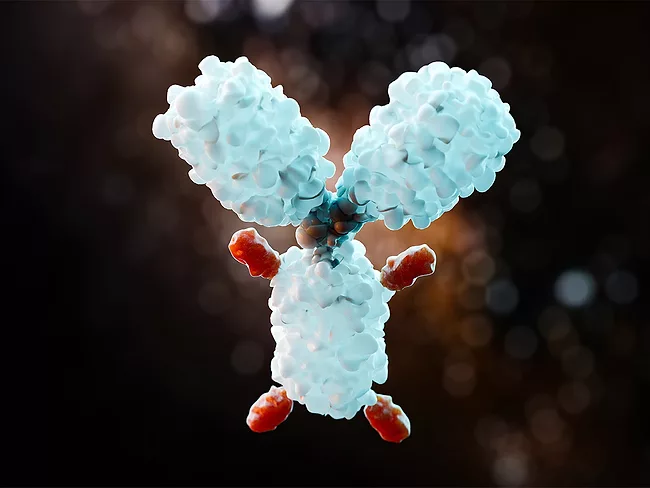
Biomunex Pharmaceuticals SAS has entered into strategic collaborations with two AI-specialized companies – Gordion Bioscience Inc. and Tangramed Biotech SAS – as part of its strategy to integrate AI into its R&D activities and support the development of next-generation immunotherapies in oncology.
Yantai New Drug Creation Shandong Laboratory has prepared and tested new heterocyclic amide compounds acting as ubiquitin carboxyl-terminal hydrolase 1 (USP1) inhibitors potentially useful for the treatment of cancer.
Convalife Pharmaceuticals Co. Ltd. has synthesized new polysubstituted aminoquinoline compounds acting as ADP-ribosyl cyclase/cyclic ADP-ribose hydrolase 1 (CD38) inhibitors potentially useful for the treatment of immunological disorders and cancer.
Kunshan Xinyunda Biotechnology Co. Ltd. has patented new antibody-drug conjugates (ADCs) consisting of humanized antibodies targeting disintegrin and metalloproteinase domain-containing protein 9 (ADAM9) covalently linked to a payload and potentially useful for the treatment of cancer and inflammatory disorders.
Previous work showed that RNase H2 activity helps triple-negative breast cancer (TNBC) cells manage high levels of replication stress, offering new therapeutic insights. Researchers from The University of Texas MD Anderson Cancer Center and Cleveland Clinic now show that cells escaping senescence depend on overexpression of RNase H2, which removes misincorporated ribonucleotides from genomic DNA. They confirmed that TNBCs rely on RNase H2 to tolerate high replication stress.
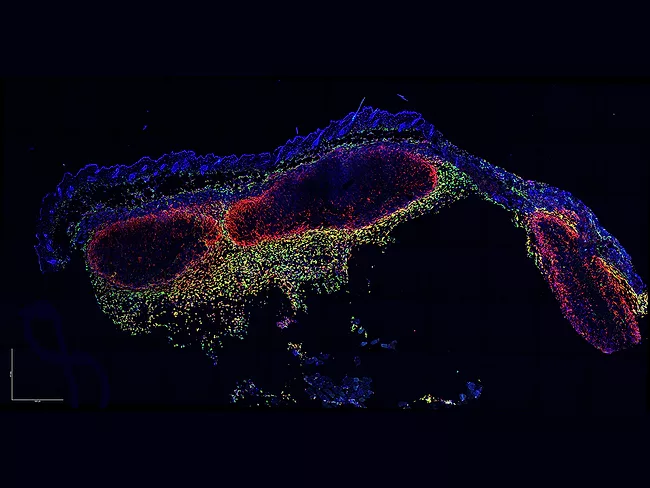
Australian researchers have identified a previously overlooked population of immune cells in the skin that physically restrain melanoma growth by engulfing live melanoma cells, and the discovery could reshape thinking around macrophage-targeted cancer therapies and innate immunity in oncology.
Shanghai Maxinovel Pharmaceuticals Co. Ltd. has prepared new drug conjugates consisting of small-molecule drugs bonded to radiolabeled chelating agents through linkers acting as programmed cell death 1 (PDCD1; PD-1; CD279)/PD-1 ligand 1 (PD-L1; CD274) interaction inhibitors.
Hanmi Holdings Co. Ltd. has synthesized new transcriptional coactivator YAP1/transcriptional enhancer factor (TEAD) interaction inhibitors potentially useful for the treatment of cancer.
Defects in antigen presentation lead to resistance to cancer immunotherapy, where type I conventional dendritic cells (cDC1s) are crucial drivers of antitumor immunity and their presence is tied to favorable responses and better outcomes. Intratumoral delivery of adenoviral vector, Ad5-PIB, encoding PU.1, IRF8 and BATF3 reprograms tumor cells into cDC1-like antigen-presenting cells and has shown synergy with immune checkpoint blockade (ICB) therapy at exerting antitumor immunity. Asgard Therapeutics AB has developed AT-108, a lead candidate developed for durable efficacy.
 RSS
RSS