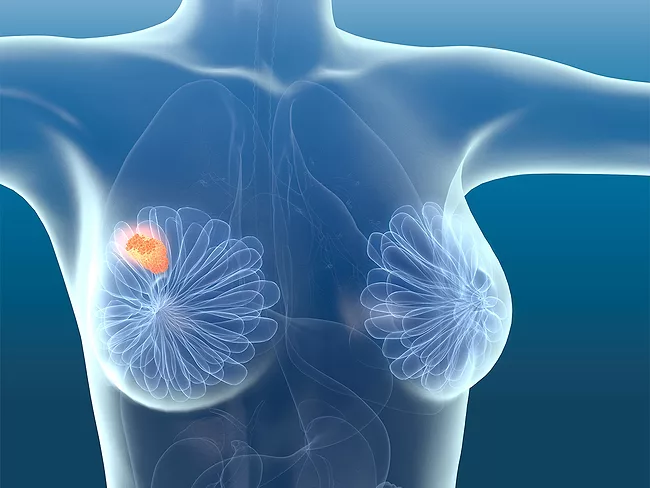
BRD4, a member of the BET protein family, plays a critical role in cancer progression by regulating oncogenes, particularly MYC, which drives tumor growth but is difficult to target directly. Researchers from Macau University of Science and Technology reported on the antiproliferative activity of bi-magnolignan, a novel BRD4-targeting compound isolated from the leaves of Magnolia officinalis.
Grove Biopharma Inc., a spinout from Northwestern University targeting intracellular protein-protein interactions with a novel synthetic biology-based approach, has closed a $30 million series A financing. Proceeds will be used to further advance Grove Biopharma’s Bionic Biologics platform and drive its lead oncology programs toward the clinic.
Acquired resistance to doxorubicin significantly reduces its therapeutic efficacy, limiting its clinical use in breast cancer treatment. Pan-AKR1C inhibitors have demonstrated potential in restoring drug sensitivity in resistant cancer cells.
Ensem Therapeutics Inc. has gained IND clearance from the FDA for ETX-636, a novel allosteric pan-mutant-selective PI3Kα inhibitor and degrader. A first-in-human trial will begin this quarter. The phase I/II study will evaluate ETX-636 administered alone and in combination with fulvestrant in participants with advanced solid tumors, including breast cancer, harboring a PI3Kα mutation.
Nuvalent Inc. has identified proto-oncogene tyrosine-protein kinase ROS (ROS1; MCF3) and/or ALK tyrosine kinase receptor inhibitors reported to be useful for the treatment of cancer.
Richter transformation (RT) refers to the occurrence of an aggressive and treatment-resistant lymphoma that arises from the progression of chronic lymphocytic leukemia (CLL) and is associated with a poor prognosis. Disruptive mutations in the BCL6 co-repressor (Bcor) gene are found in up to 2% of CLL cases and often occur alongside Notch1 mutations, a common molecular alteration linked to RT. This co-occurrence points to a possible cooperative role in driving disease progression.

 RSS
RSS