Scientists at the University of Wisconsin Madison and Dana-Farber Cancer Institute recently presented preclinical data for the radiopharmaceutical therapy candidate [177Lu]PNT-6555.
Insilico Medicine Inc. has disclosed substituted thiazole compounds acting as cyclin-dependent kinase (CDK) inhibitors potentially useful for the treatment of cancer.
Janssen Pharmaceutica NV has synthesized new 1,6-naphthridine compounds acting as probable global transcription activator SNF2L2 (SMARCA2; BAF190B; SNF2-α) inhibitors reported to be useful for the treatment of non-small-cell lung cancer (NSCLC).
Around one-third of patients with acute myeloid leukemia (AML) harbor FLT3 gene mutations which are associated with poor prognosis and high risk of relapse. Several compounds targeting FLT3 internal tandem duplication (ITD) have been developed in the past decades, but none has overcome myelosuppressive toxicity caused by the simultaneous inhibition of FLT3 and c-Kit. Therefore, there is a need for new treatment options.
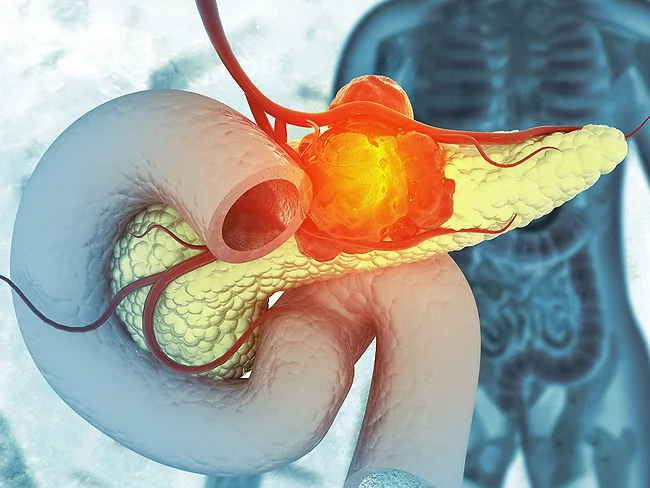
Pancreatic cancer is a challenge due to its poor prognosis and high mortality rate, highlighting the need for new therapeutic approaches. Previous findings have shown that AUS-001 inhibits β-tubulin polymerization through its unique binding to the tubulin’s colchicine site.
At the recent ASCO Gastrointestinal Cancers symposium, Cyclacel Ltd. presented preclinical data for the Polo-like kinase 1 (PLK1) inhibitor plogosertib from assessment in models of colorectal cancer.
Theranib Inc. has divulged retinal dehydrogenase 1 (ALDH1A1; RALDH1) and/or retinal dehydrogenase 2 (ALDH1A2; RALDH2) and/or aldehyde dehydrogenase family 1 member A3 (ALDH1A3; RALDH3) inhibitors reported to be useful for the treatment of cancer and inflammatory disorders.
Researchers from Southwest Jiaotong University published the discovery of novel high affinity peptides against the protein of human DNA binding domain of FOXM1 (FOXM1-DBD) to be developed for the treatment of cancer.

 RSS
RSS