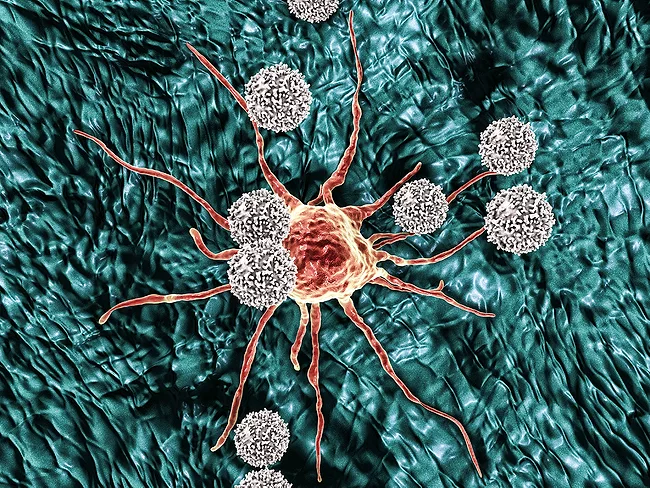
Peripheral T-cell lymphoma (PTCL) is an aggressive tumor derived from mature T cells and natural killer cells with an extremely poor prognosis. Ferroptosis is a mechanism of cell death that is dependent on iron characterized by reactive oxygen species accumulation and lipid peroxidation.
A new study published in the Journal for Immunotherapy of Cancer has presented a promising advancement in chimeric antigen receptor (CAR) T-cell therapy for non-Hodgkin lymphoma (NHL).
A recent study has introduced a novel class of antibody-drug conjugates (ADCs) targeting trophoblast cell surface antigen 2 (TROP2), a protein overexpressed in pancreatic ductal adenocarcinoma (PDAC), one of the deadliest forms of cancer.
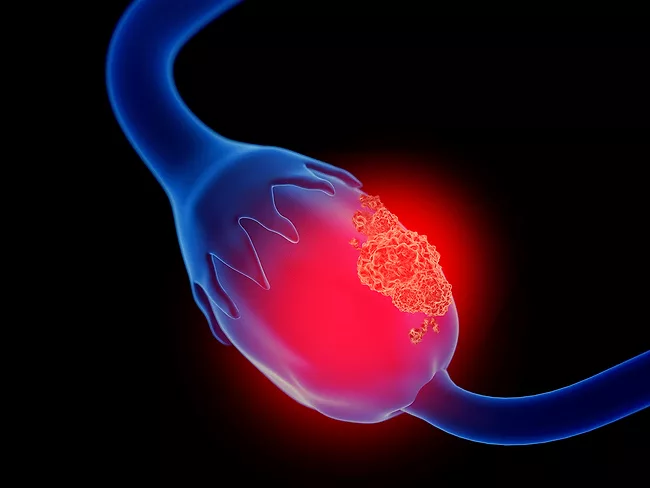
Eterna Therapeutics Inc. has released promising results from a preclinical study of its lead cell therapy product, ERNA-101, showing it reduced tumor burden and extended survival in mice with ovarian cancer.
Deciphera Pharmaceuticals LLC has patented new serine/threonine-protein kinase B-raf (BRAF) and/or RAF proto-oncogene serine/threonine-protein kinase (RAF1; c-Raf) inhibitors reported to be useful for the treatment of cancer.
Quanta Therapeutics Inc. has identified new pyrimidine-based GTPase KRAS G12D and G12V mutant inhibitors potentially useful for the treatment of cancer.
Astrazeneca AB patents describe new proteolysis targeting chimera (PROTAC) compounds comprising a cereblon (CRBN) E3 ubiquitin ligase-binding moiety covalently linked to probable global transcription activator SNF2L2 (SMARCA2; BAF190B; SNF2-α)-targeting moiety reported to be useful for the treatment of cancer.
The standard treatment for non-muscle invasive bladder cancer (NMIBC) is Bacillus Calmette-Guérin (BCG). However, despite it being effective, many patients experience recurrences, and others become unresponsive. The activation of the intracellular transmembrane receptor stimulator of interferon genes (STING) has shown antitumoral effects in murine cancer models.

 RSS
RSS