Researchers from Novacyte Therapeutics Co. Ltd. presented preclinical data for NC-18, a novel HER2-targeting antibody drug conjugate (ADC) being developed for the treatment of HER2-positive/expressing advanced solid tumors.
Cyclins and cyclin-dependent kinases (CDKs) regulate the activity of E2F and Rb to drive cell cycle progression. Disrupting this interaction has shown lethality in cancer cells harboring alterations that lead to higher expression of E2F1.
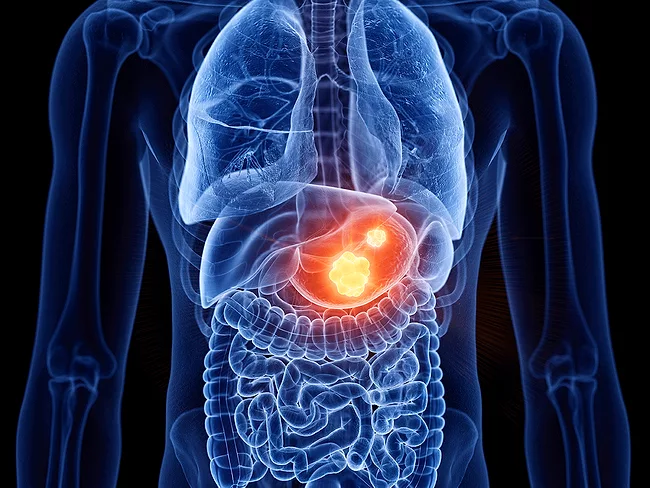
Claudin 18.2 (CLDN18.2) is a member of the claudin family and is overexpressed in gastric, gastroesophageal junction and pancreatic cancer, among others. Researchers from Elevation Oncology Inc. recently presented preclinical efficacy data on the combination of EO-3021, an antibody-drug conjugate (ADC) targeting CLDN18.2, with VEGFR-2 or PD-1 inhibitors in models of gastric adenocarcinoma.
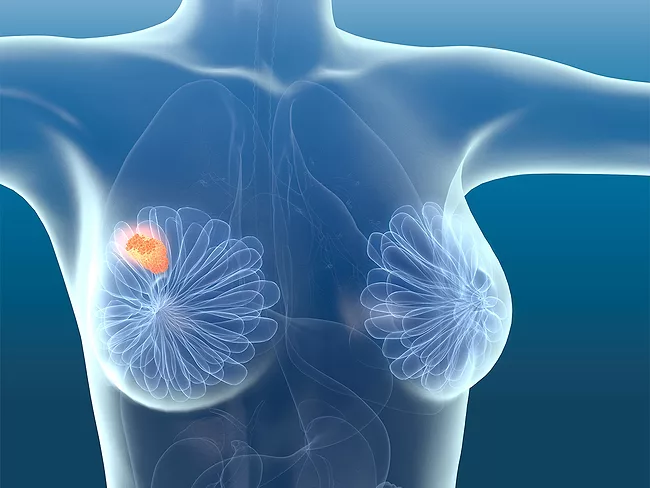
Endocrine therapy against the estrogen receptor (ER) is widely used for the treatment of ER+ breast cancer. Selective estrogen receptor degraders (SERDs) compete directly with estrogen for ER binding and create an unstable protein complex that leads to proteasome-mediated ER protein degradation.
Cancer and autoimmunity are “often thought of as being at opposite ends of the immune response,” Ana Anderson told her audience at a joint meeting of the NIH’s Office of Autoimmune Disease Research and Office of Research in Women’s Health earlier this month. Cancer, that line of reasoning goes, arises when the immune system is not good enough at recognizing harmful autoantigens. Autoimmunity arises when it is hypervigilant, mistaking harmless autoantigens for problematic ones and going on the attack.
Scientists at Hansoh Bio LLC, Jiangsu Hansoh Pharmaceutical Group Co. Ltd. and Shanghai Hansoh Biomedical Co. Ltd. have divulged transcriptional coactivator YAP1 or TAZ/transcriptional enhancer factor (TEAD) interaction inhibitors reported to be useful for the treatment of cancer.
Scientists at Shanghai Haiyan Pharmaceutical Technology Co. Ltd. and Yangtze River Pharmaceutical Group have identified high affinity nerve growth factor receptor (NTRK1; TrkA) inhibitors reported to be useful for the treatment of pain, cancer, inflammation and neurodegenerative diseases.
Baylor College of Medicine has disclosed proteolysis targeting chimeras (PROTACs) comprising cereblon (CRBN) ligands coupled to Bruton tyrosine kinase (BTK)-, DNA-binding protein Ikaros (IKZF1)- and Zinc finger protein Aiolos (IKZF3)-targeting moieties through a linker.
Elevation Oncology Inc. has nominated EO-1022 as its HER3 antibody-drug conjugate (ADC) development candidate for the treatment of solid tumors that express HER3.
Opna Bio AG has presented promising data regarding their EP300/CBP inhibitor OPN-6602 for the treatment of multiple myeloma (MM). The inhibition of EP300/CBP causes cell cycle arrest and apoptosis in MM cells due to suppression of interferon regulatory factor 4 (IRF4) and MYC repression.
 RSS
RSS