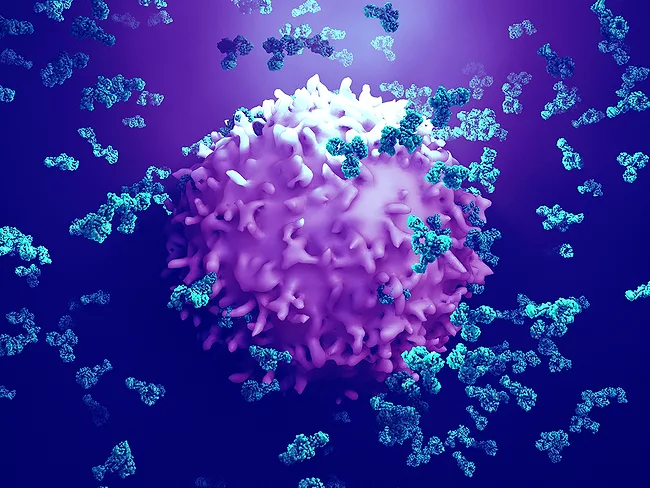
CD40-targeting therapies have been proposed as an interesting alternative to overcome resistance to immune checkpoint inhibitors. In particular, bispecific CD40 antibodies can target CD40 more efficiently and safely than monospecific therapies. In a recent publication, researchers at Alligator Bioscience AB and collaborators demonstrate that bispecific antibodies targeting CD40 and tumor-associated antigens (TAA) can enhance priming of tumor-specific T cells in vivo.
As largely expected, Mirati Therapeutics Inc.’s adagrasib gained U.S. FDA accelerated approval ahead of its Dec. 14 PDUFA date, cleared for second-line use in patients with non-small-cell lung cancer (NSCLC) harboring the KRAS G12C mutation, in which it will go up ahead Amgen Inc.’s Lumakras (sotorasib), which has the advantage of a year and a half head start.
The California Institute for Regenerative Medicine (CIRM) has awarded Calidi Biotherapeutics Inc. a US$3.1 million grant to support continued development of the company's Supernova-1 (SNV-1) preclinical program through IND application. The grant was awarded to Calidi to support IND-enabling studies, finalize manufacturing and the completion of Calidi's IND application for the SNV-1 program.
Chengdu Baiyu Pharmaceutical Co. Ltd. has identified piperazine derivatives acting as protein mono-ADP-ribosyltransferase TIPARP inhibitors reported to be useful for the treatment of cancer.
Aurigene Discovery Technologies Ltd. has divulged fused isoxazolyl compounds acting as histone acetyltransferase KAT6A (monocytic leukemia zinc finger protein; MOZ; MYST-3) inhibitors reported to be useful for the treatment of cancer.
Researchers from Tubulis GmbH presented preclinical data for a CD30-targeting antibody-drug conjugate (ADC), TUB-010, being developed as a potential anticancer immunotherapy candidate.
Vincerx Pharma Inc. has received FDA clearance of its IND application for VIP-236, a small molecule-drug conjugate (SMDC) for the treatment of advanced solid tumors. A first-in-human study for advanced or metastatic solid tumors is expected to start in the first quarter of next year.
Researchers from Salarius Pharmaceuticals Inc. have presented preclinical data on SP-3164, a novel cereblon (CRBN)-binding protein degrader intended for the treatment of lymphoma. SP-3164 bound to cereblon and consequently induced the degradation of hematological transcription factors Ikaros and Aiolos. The aim of their studies was to investigate the drug’s antitumor efficacy in preclinical models of diffuse large B-cell lymphoma (DLBCL).
 RSS
RSS