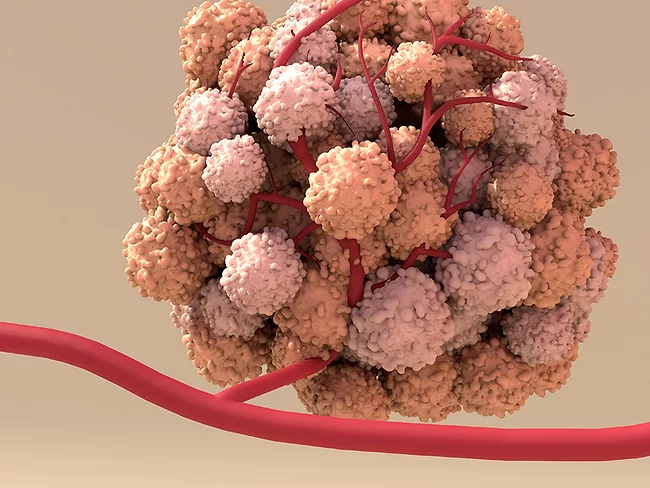
The FDA has cleared an IND for a clinical trial in the U.S. of NBL-020, a fully human antibody drug independently developed by CSPC Pharmaceutical Group Ltd.'s subsidiary Novarock Biotherapeutics Ltd., for the treatment of advanced solid tumors.
Jiangsu Hengrui Medicine Co. Ltd. and Shanghai Hengrui Pharmaceutical Co. Ltd. have identified nitrogen-containing heterocyclic compounds acting as poly(ADP-ribose) polymerase 1 (PARP-1; ARTD1) inhibitors reported to be useful for the treatment of cancer.
Innocure Therapeutics Inc. has synthesized piperidinedione derivatives acting as proteolysis targeting chimeric (PROTACs) compounds comprising an E3 ubiquitin ligase cereblon (CRBN) binding moiety covalently linked to hepatocyte growth factor receptor (HGFR; MET; c-MET)-targeting moiety via linker reported to be useful for the treatment of cancer.
Cyclin-dependent kinase 4 (CDK4) and CDK6 inhibitors, in combination with letrozole or fulvestrant, have been approved for treating hormone receptor-positive breast cancer. Even though the therapy shows benefits in some patients, resistance develops in other treated patients.
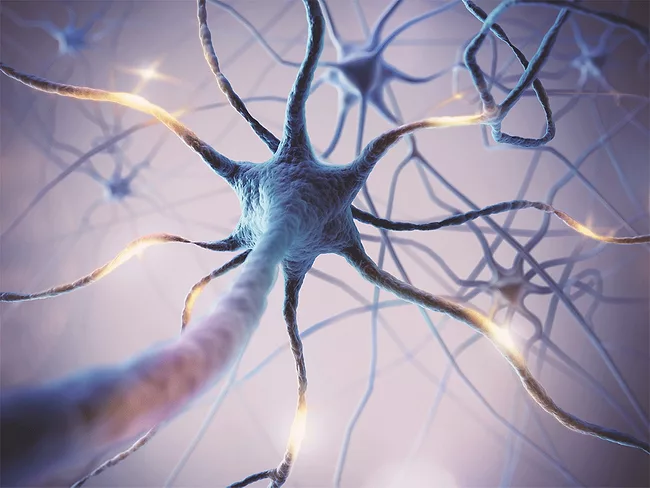
Cancer both imitates and hijacks the nervous system, to the extent that some researchers consider tumor-neuronal interactions a new hallmark of cancer. Unsurprisingly, the parallels are particularly strong in brain cancers. Glioblastomas form electrically interconnected networks, similar to neuronal-glial gap junctions, that help them grow. Now, researchers have identified key players in these networks, as well as ways to target them and possibly take down the networks.
 RSS
RSS