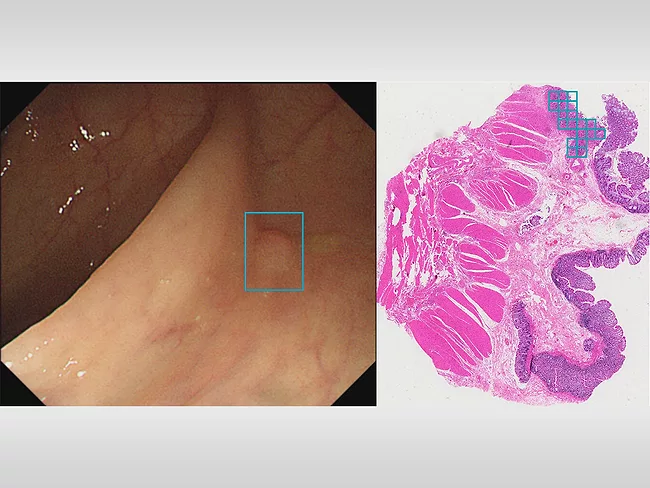
A 2,000-patient U.K. study has been set up to generate real-world evidence of the value of using AI technology to detect bowel polyps (adenomas) during colonoscopy procedures. The aim is to show whether Medtronic plc’s GI Genius system improves the detection of polyps when deployed in both expert centers and non-specialist units, in the routine diagnostic screening of patients referred from primary care or through the national fecal immunochemical testing program.
Still reeling from the impact COVID-19 has had on its research activities and funding, Cancer Research UK is to launch a new organization combining all its drug discovery expertise in a single team, with a single portfolio, later this month.
A patient’s death has prompted the FDA to place a partial clinical hold on Curis Inc.’s phase I/IIa study of emavusertib in leukemia. The patient, who had relapsed or refractory acute myeloid leukemia, experienced several conditions. One of them was rhabdomyolysis, a dose-limiting toxicity of emavusertib. Rhabdomyolysis is a breakdown of muscle fibers in the blood.
Gilead Sciences Inc. said it is increasing manufacturing capacity to match an anticipated increase in demand for its CAR T-cell therapy, Yescarta (axicabtagene ciloleucel), which gained FDA approval for a wider group of lymphoma patients late last week.
With FDA clearance of its Endoscreener that uses artificial intelligence (AI) to detect polyps during coloscopy procedures, Wision AI Ltd. is expanding its product portfolio to include colorectal histopathology tools.
 RSS
RSS