Researchers at Semmelweis University and University of Szeged have disclosed aminoalkylated benzoxy compounds acting as potassium channel blockers reported to be useful for the treatment of atrial fibrillation and ventricular arrhythmia.
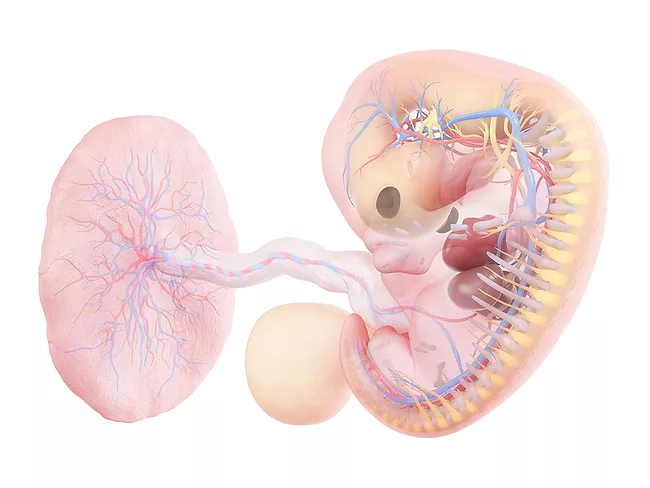
A healthy life for a healthy heart is a popular saying. However, even when following good habits, heart health can be already compromised from the very earliest stages of development. Maternal cells reach the embryo through the placenta contributing to its normal formation. So, just as the mother helps form a functional heart, she can also induce a condition that may not appear until adulthood.
The U.S. FDA has cleared Rocket Pharmaceuticals Inc.’s IND application for RP-A701, an AAVrh.74-based gene therapy candidate for the treatment of BAG3-associated dilated cardiomyopathy (BAG3-DCM), a severe form of heart failure.
IBI-3030 from Innovent Biologics Inc. is a novel antibody-peptide conjugate targeting PCSK9 that shows agonism for GLP-1R, GCGR and GIPR, aimed to confer therapeutic benefit against cardiovascular disease.
An experimental drug for treating diabetes and obesity has been shown to lower blood sugar levels and increase fat burning. It is a β2-adrenergic receptor (β2AR) agonist that mimics the effects of physical exercise by activating skeletal muscle metabolism. Unlike GLP-1-based treatments such as semaglutide and tirzepatide, this new compound, developed by researchers at the Karolinska Institute, Stockholm University, and the biotech company Atrogi AB, does not suppress appetite or cause muscle loss.
Researchers from the Universitat de Barcelona and Oregon Health & Science University have developed a novel gene silencing technique using polypurine reverse Hoogsteen hairpins (PPRH) to target and inhibit the expression of PCSK9.
Diagonal Therapeutics Inc.’s DIAG-723 has been awarded orphan drug designation by the FDA for the treatment of hereditary hemorrhagic telangiectasia (HHT). Additionally, the EMA has provided a positive opinion for orphan drug designation, confirming that DIAG-723 meets the criteria for designation as an orphan drug in the E.U.
Chinese researchers are preparing the details for the publication of another scientific milestone, the creation of a chimera with a human heart and a kidney developed from human stem cells in pig embryos. These studies aim to address the shortage of immunocompatible organ donors while shedding light on some of the most fundamental questions in developmental biology.
Shanghai Qilu Pharmaceutical Research and Development Centre Ltd. has divulged compounds acting as apolipoprotein A (ApoA; LPA) inhibitors reported to be useful for the treatment of hyperlipidemia, coronary heart disease, ischemic stroke and myocardial infarction.
Doxorubucin is an effective therapeutic in cancer treatment, but it can cause cardiotoxicity and damage the mitochondrial machinery. A new patient-derived and mitochondria-rich human induced pluripotent stem cell derived-cardiomyocyte (hiPSC-CM) model protected by dexrazoxane was developed.

 RSS
RSS