Keeping you up to date on recent developments in cardiology, including: Using biomarkers to detect minor strokes; ACC, Novartis team up on heart failure; Scientists ID new abdominal aortic aneurysm genes.
The U.S. Centers for Medicare & Medicaid Services (CMS) recently proposed some changes to national coverage policies for left ventricular assist devices (LVADs) and artificial hearts, the latter of which would no longer be covered under a national coverage determination. The proposal to allow Medicare administrative contractors (MAC) to make coverage decisions for artificial hearts on a case-by-case basis clanged across both industry and medical societies, which cited data collection problems and inequalities in access as reasons the existing coverage policy should remain in place.
Scientists long have puzzled over what goes wrong in people with cardiovascular disease. Now, they have created a cellular and molecular map of the healthy human heart, with an eye toward preventing some of the 17.9 million deaths from cardiovascular disease that occur each year.
The U.S. FDA has granted breakthrough device designation status to Medtronic plc’s Tyrx absorbable antibacterial driveline wrap, a medical device aimed at reducing driveline complications in patients receiving a ventricular assist device (VAD).
Keeping you up to date on recent developments in cardiology, including: Generating 3D heart organoids; Hostility and heart attacks; Virtual screening tool aims to simplify diagnosing pulmonary hypertension.
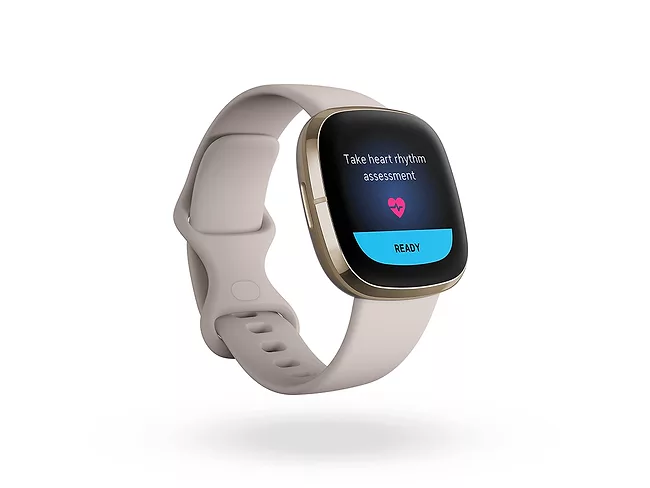
Fitbit Inc. and Apple Inc. picked up the pace in their race to put health monitoring apps on wrists everywhere with Fitbit gaining 510(k) clearance from the U.S. FDA for its new ECG app for the Fitbit Sense and Apple revealing the blood oxygen sensor built into its Series 6 watch this week. The new apps join a growing array of technological advances that permit wearable devices to track and record a range of health metrics.
Advanced diagnostics startup Coremap Inc., which is developing a technology capable of identifying the drivers of atrial fibrillation (AF), scooped up $10.5 million in a series A financing led by Qure Ventures. The funds will be used to accelerate product development and future regulatory submissions. Founded in 2016, the Burlington, Vt.-based company has raised nearly $12 million to date.
The U.S. FDA has been easing gently down the road of real-world evidence (RWE) in regulatory decision-making, and the case of the Watchman left atrial appendage device is instructive in this regard. Robert Shipley, of Boston Scientific Corp. (BSX), said on webinar hosted by the Advanced Medical Technology Association that the FDA changed gears and agreed to a registry for a post-approval study for the first generation Watchman, but added that the use of registry data and other RWE for approval of a next-generation device is as yet more aspirational than practicable.
Keeping you up to date on recent developments in cardiology, including: SCAD vs. plaques in heart attacks; Gut microbiome data may be helpful in routine screening of cardiovascular disease; Some health care professionals use outdated guidelines to screen and diagnose hypertension.
Avinger Inc. has received U.S. FDA clearance for a its Ocelaris next-generation, image-guided chronic total occlusion (CTO) crossing system for patients with peripheral artery disease (PAD). The catheter-based system, which will be sold under the brand name Tigereye, provides real-time imaging from within the vessel during a CTO-crossing procedure. It will be available on a limited basis beginning later this year.

 RSS
RSS