Keeping you up to date on recent developments in cardiology, including: Potassium channel distancing fights stroke; Examining ischemic stroke in patients with COVID-19 vs. those with influenza; COVID-19 infects heart cells in lab dish.
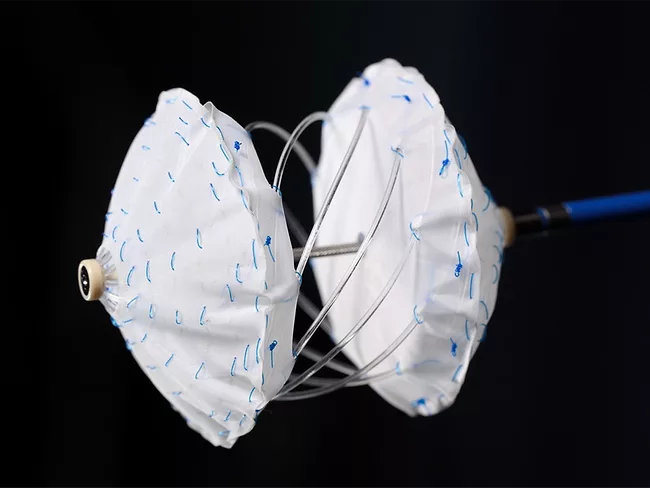
Carag AG received investigational device exemption (IDE) approval from the U.S. FDA for its Carag Bioresorbable Septal Occluder (CBSO). The device is the first transcatheter septal occluder with a nonmetal, bioresorbable framework. The Baar, Switzerland-based company plans a "swift start" for a staged study trial in the U.S. with 250 patients, Carag's CEO Jérôme Bernhard told BioWorld.
The U.S. Centers for Medicare and Medicaid Services (CMS) posted the much-anticipated draft do-over of the mitral valve repair device coverage memo, and in the process renamed the policy the mitral valve transcatheter edge-to-edge repair (TEER) national coverage memo.
Protaryx Medical has picked up $8.3 million to develop its device for precision transseptal access to the left atrium for use during structural heart and catheter ablation procedures. The funding includes nondilutive grants and a seed round totaling $3.2 million, as well as the recently closed $5.1 million series A financing led by Ajax Health, with participation from returning investor University of Maryland (UM) Ventures.
The U.S. FDA has greenlighted Ancora Heart Inc.’s IDE request to conduct the Corcinch-HF pivotal clinical trial. The study is intended to demonstrate the safety and effectiveness of the Accucinch ventricular restoration system in patients with heart failure and reduced ejection fraction (HFrEF).
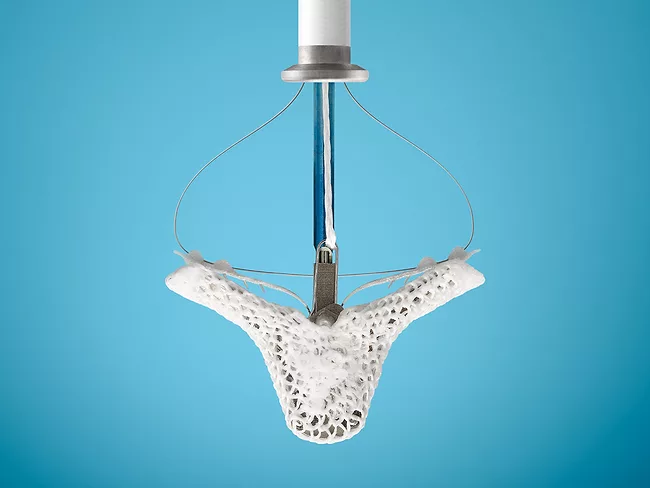
Keeping you up to date on recent developments in cardiology, including: COVID-19 an independent risk factor for acute ischemic stroke; New heart valve holds hope for open heart surgery; Company unveils results on therapy to treat cardiovalvular diseases.
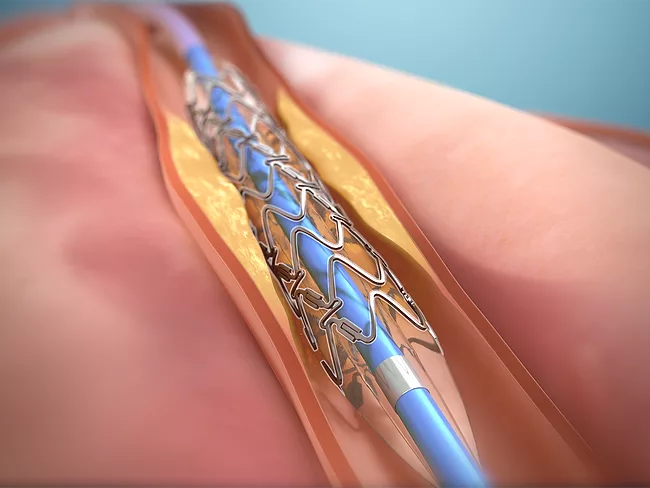
Elixir Medical Corp., reported positive 12-month results for its Dynamx Coronary Bioadaptor System, with no target vessel revascularization (TVR) or stent thrombosis and adaptive remodeling of the artery to sustain healthy blood flow. The findings, from a multisite European trial, were presented during a late-breaking trials session at the PCR e-Course virtual meeting in Paris.
Minimally invasive structural heart implants are moving from mitral into tricuspid valve repair, as well as mitral valve replacement. Abbott Laboratories is presenting its latest data on all these fronts at the virtual PCR e-Course held by the European Association of Percutaneous Cardiovascular Interventions from June 25 to 27.
PARIS – Orixha SAS is developing new pulmonary ventilation technology for critical care scenarios. “Our total liquid ventilator could be of benefit through its ultra-fast ability to cool the vital organs of patients in cardiac arrest,” Fabrice Paublant, CEO of Orixha, told BioWorld. The aim is to improve survival rates and reduce the neurological complications of postcardiac arrest syndrome.
TORONTO – Once he’d enrolled in an entrepreneurial engineering course, third-year medical school student Gabriel Georges’ task was deceptively simple: come up with a device to meet an unmet medical need. Before long, Georges had pulled two other students with engineering and investor relations smarts into the project, developing a minimally invasive, long-term transcatheter heart pump that this month garnered financing from Canadian and U.S. investors.

 RSS
RSS